biology — Montenegro
🦇 Lecture «Lords of the Night: What We Know About Bats» (Лекция «Властелины ночи: что мы знаем о летучих мышах») — at Kulturni Centar
No photos added🦇 Lecture «Lords of the Night: What We Know About Bats» (Лекция «Властелины ночи: что мы знаем о летучих мышах») — at Kulturni Centar

About
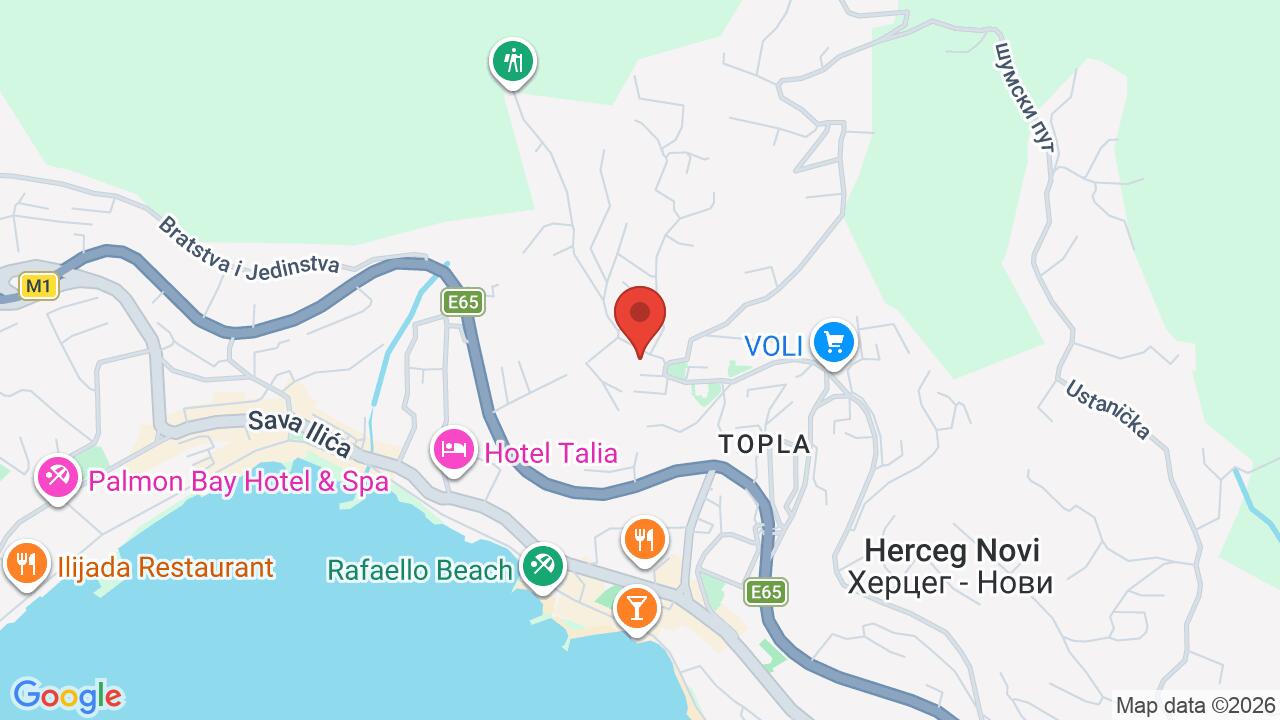
Organizer: Kulturni Centar A lecture by zoologist Yulia Glushkova on bat biology, how they navigate in the dark, research findings and myths about bats. The lecture lasts about an hour and is followed by an optional walk to listen to bats with a special device. Recommended for ages 6+, donation entry. This announcement was found and posted by KiddoDoo editors. Like it and we will find out all the details and exact schedule. This is sudden, but the lecture is great! On Thursday — TOMORROW! — zoologist Yulia Glushkova, who has studied bats for over twenty years, will come to us. We'll talk about how these animals navigate in the dark, what surprises researchers, and how much truth there is in vampire stories. After the lecture you can go and listen to bats with a special device! 📆 15 October, Thu 🕡 18:30 📍 Kulturni Centar, (link) Hotel Maksim, Meline area 🎟 donation 👥 6+ ⏳ The lecture lasts about an hour, followed by a walk for those who wish 👉 Registration — in private messages telegram link Are bats really blind? What does the world look like if you “see” it with your ears? How do scientists study animals that are almost invisible and inaudible? Can you keep a bat at home and how are bats similar to us? We'll sort out these questions and find out how real bats differ from their scary screen relatives. Yulia Glushkova is a zoologist, a bat specialist and science popularizer. She studied bats in protected areas of the Russian Plain and in the tropical forests of Asia and Africa, and worked as a research associate at the Central Forest Reserve.
Q&A:
Most questions are answered by the organizer, but community members can also answer.
Contacts
Kiddodoo MessagesSchedule & Booking:
We verified the schedule less than 24 hours ago. Book with confidence, guaranteed best price.
Skills & Interests
Although biology is not usually taught as a separate subject in primary school, children are often fascinated by biologists’ stories, learning to observe the microworld through a microscope and to recognize different species of plants and animals, learning secrets about everything. Adding biology elements to walks, activities, and experiments is not only engaging, but also helps spark a lasting interest in the natural sciences.
more «biology» →Activities that help participants become aware of their connection with nature, develop a mindful and respectful attitude toward it, take part in environmental initiatives, and gain a deeper understanding of natural ecosystems and how modern technologies can contribute to their preservation.
more «ecology» →We're still working on this description. A detailed overview will be available soon.
more «nature club» →Where?
Run activities for kids?
Reach families who are a real match. Post your classes, camps and programs to the open catalog. Kiddodoo shows them to parents whose children are genuinely exploring what you offer, not just anyone within 5 km.
Get startedThis page is from the Kid-do-doo app. Install the app to see the details.
Parenting, made clearer — and less scattered
Understand what may be happening with your child — and find real-world ways to support the next step.
This page is from the Kid-do-doo app. Install the app to see the details.
Parenting, made clearer — and less scattered
Understand what may be happening with your child — and find real-world ways to support the next step.
Schedule:
We verified the schedule less than 24 hours ago. Book with confidence, guaranteed best price.
Kingdom of Mushrooms — Science Club (STEAM project) 🍄
No photos addedKingdom of Mushrooms — Science Club (STEAM project) 🍄
About
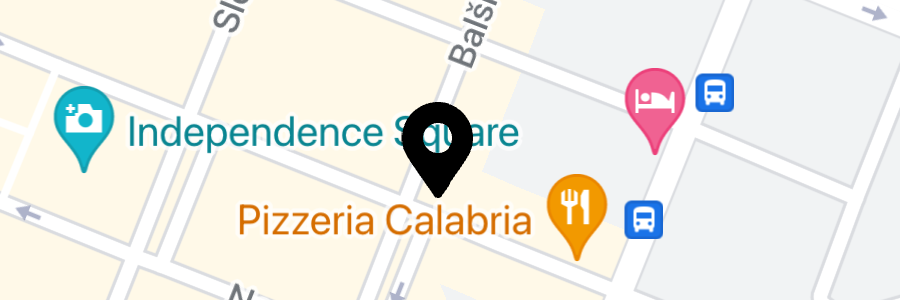
Organizer: Студия О2: керамика, воркшопы, встречи, праздники A one-off session from the “Month of scary classes”: explore mushrooms — edible, poisonous, glowing varieties and even “zombie” fungi. STEAM activity: make an amanita with mycelium, roots and soil inhabitants. Three time slots on the same day. This announcement was found and posted by KiddoDoo editors. Like it and we will find out all the details and exact schedule. 🍄 The Month of scary classes begins! This week we travel to the Kingdom of Mushrooms — a world with poisonous mushrooms, glowing fungi, and even real zombie mushrooms 🧟 We will look at real champignons, learn how mushrooms are used by people — from penicillin to truffles — and peek underground to see what is usually unseen. 🍄 In the STEAM project we will create an amanita with its mycelium, roots and soil inhabitants. A little scary. Very scientific. And definitely plenty to explore! 📍 Podgorica, Master Workshop O2 📅 Monday, 05 October 13:30–15:00 | 15:30–17:00 | 17:30–19:00 5 € — trial 10 € — single session 30 € — 4-class subscription Sign up smoothly in KiddoDu or via the organizer's direct: telegram link
Q&A:
Most questions are answered by the organizer, but community members can also answer.
Contacts
Kiddodoo MessagesSchedule & Booking:
We verified the schedule less than 24 hours ago. Book with confidence, guaranteed best price.
Skills & Interests
Although biology is not usually taught as a separate subject in primary school, children are often fascinated by biologists’ stories, learning to observe the microworld through a microscope and to recognize different species of plants and animals, learning secrets about everything. Adding biology elements to walks, activities, and experiments is not only engaging, but also helps spark a lasting interest in the natural sciences.
more «biology» →Evaluating evidence, assumptions, and reliability; not merely applying logical rules.
more «Critical thinking» →Сhildren explore science through hands-on experience: observing, mixing, testing hypotheses, and discovering cause-and-effect relationships. They satisfy children’s natural curiosity, develop logical thinking and fine motor skills, and show that science can be practical, understandable, and engaging.
more «lab experiments» →Science, Technology, Engineering, Mechanics — practical exploration of engineering thinking and creative construction. Children experiment, design and build structures, test their ideas, and learn how simple mechanisms and processes work. These activities develop logical thinking, focus and perseverance, as well as spatial imagination.
more «stem» →Generating and developing original, useful ideas or expressions; includes applied imagination.
more «Creativity» →Academic Science covers content taught within England's standard general-education curriculum. The tag also applies to home, online, or private tutoring when it follows that curriculum; extracurricular and specialist content outside it is excluded.
more «Academic Science» →Where?
Run activities for kids?
Reach families who are a real match. Post your classes, camps and programs to the open catalog. Kiddodoo shows them to parents whose children are genuinely exploring what you offer, not just anyone within 5 km.
Get startedThis page is from the Kid-do-doo app. Install the app to see the details.
Parenting, made clearer — and less scattered
Understand what may be happening with your child — and find real-world ways to support the next step.
This page is from the Kid-do-doo app. Install the app to see the details.
Parenting, made clearer — and less scattered
Understand what may be happening with your child — and find real-world ways to support the next step.
Schedule:
We verified the schedule less than 24 hours ago. Book with confidence, guaranteed best price.
About
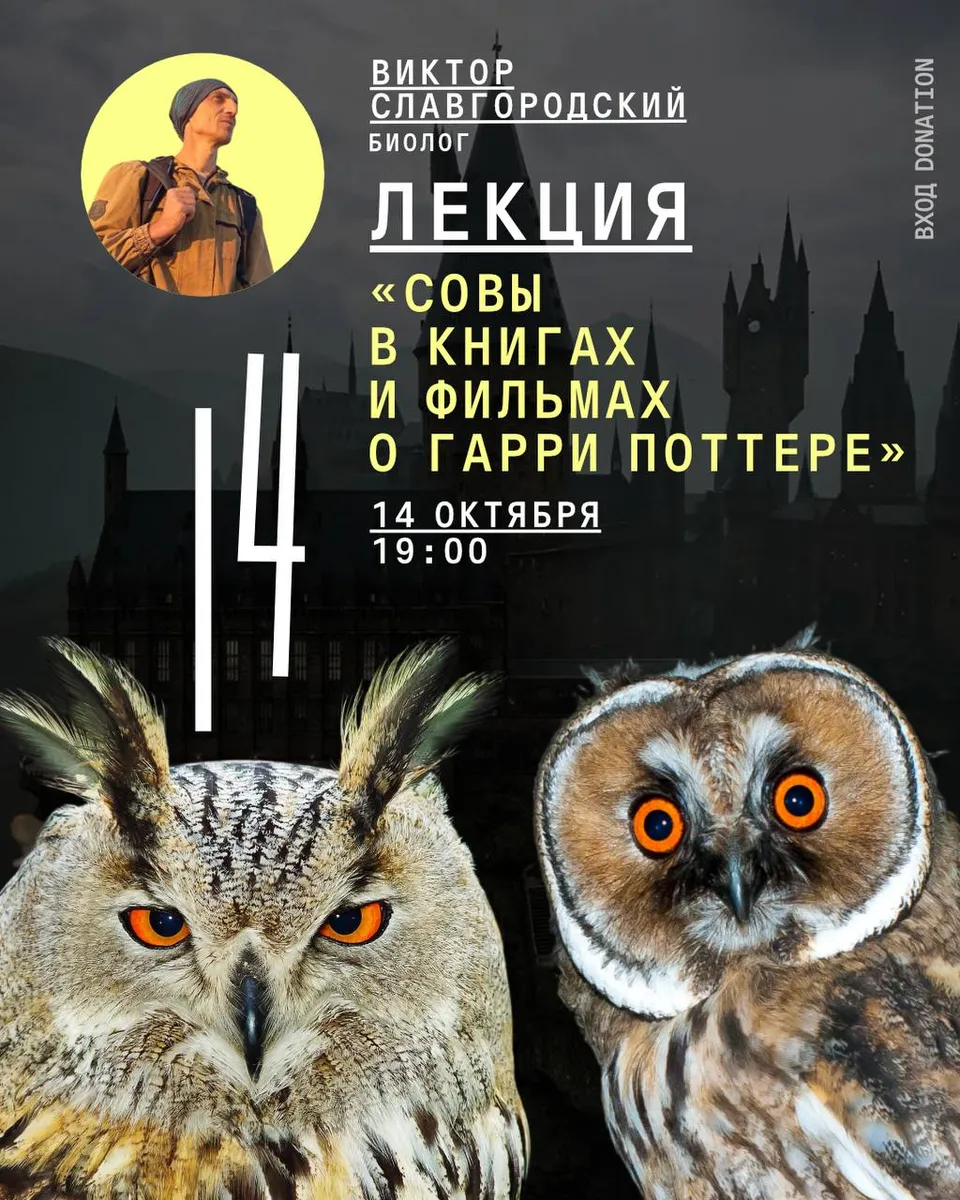
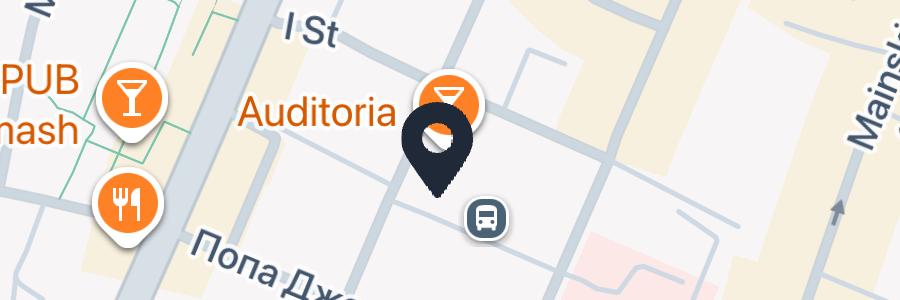
Organizer: Auditoria Budva A lecture by biologist Viktor Slavgorodsky about what in the Harry Potter books and films about owls is true and what is far from reality. The talk will identify species used in the saga, explain how owls were filmed and prepared, and discuss changes in laws in two countries as well as owl photography and rehabilitation. This announcement was found and posted by KiddoDoo editors. Like it and we will find out all the details and exact schedule. We invite you on Wednesday, October 14 at 19:00 to Auditoria Budva for a lecture by biologist Viktor Slavgorodsky "Owls in the books and films about Harry Potter". As a zoologist, Viktor Slavgorodsky studied territorial behavior of owls. He also prepared owls, hand-reared from chicks, for life in the wild. As a photographer, he spent a lot of time photographing owls in the wild. At the lecture Viktor will tell what in the Harry Potter books and films about owls is true and what is far from reality. We will identify which owl species became characters in the saga. We will find out how these books and films affected changes in laws in two countries regarding birds and interactions with them. We will discuss how owls were filmed in the movies: what techniques were used to achieve the required shots. And what do you think, is it possible to make an "owl post"? Viktor Slavgorodsky — research biologist, wildlife photographer, animal artist. Entrance: donation Registration telegram link
Q&A:
Most questions are answered by the organizer, but community members can also answer.
Contacts
Kiddodoo MessagesSchedule & Booking:
We verified the schedule less than 24 hours ago. Book with confidence, guaranteed best price.
Skills & Interests
Although biology is not usually taught as a separate subject in primary school, children are often fascinated by biologists’ stories, learning to observe the microworld through a microscope and to recognize different species of plants and animals, learning secrets about everything. Adding biology elements to walks, activities, and experiments is not only engaging, but also helps spark a lasting interest in the natural sciences.
more «biology» →Children's quests, games, workshops, crafts, or themed events inspired by the fictional Harry Potter setting. This tag identifies the theme; a specialist class should also be classified by its primary activity when appropriate.
more «harry potter» →Where?
Run activities for kids?
Reach families who are a real match. Post your classes, camps and programs to the open catalog. Kiddodoo shows them to parents whose children are genuinely exploring what you offer, not just anyone within 5 km.
Get startedThis page is from the Kid-do-doo app. Install the app to see the details.
Parenting, made clearer — and less scattered
Understand what may be happening with your child — and find real-world ways to support the next step.
This page is from the Kid-do-doo app. Install the app to see the details.
Parenting, made clearer — and less scattered
Understand what may be happening with your child — and find real-world ways to support the next step.
Schedule:
We verified the schedule less than 24 hours ago. Book with confidence, guaranteed best price.