ecology — Montenegro

About
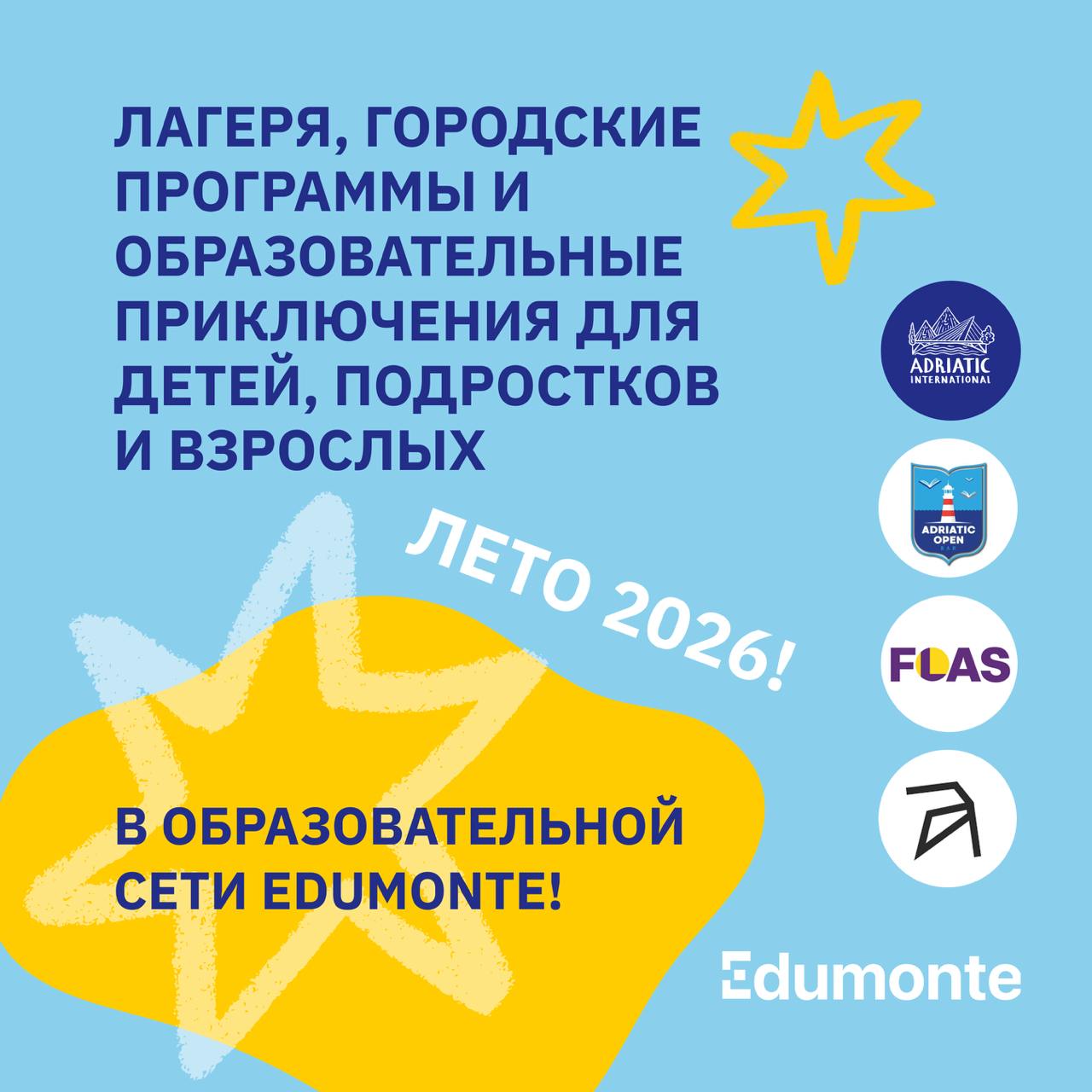
For those who like to observe, investigate, ask questions and learn how the living world is organized. Dates: 20–24 July Ages: 10+ Cost: €250 for 5 days / €60 for 1 day Sign up and details: (link)
Q&A:
Most questions are answered by the organizer, but community members can also answer.
Contacts
Kiddodoo MessagesSchedule & Booking:
We verified the schedule less than 24 hours ago. Book with confidence, guaranteed best price.
Skills & Interests
Сhildren explore science through hands-on experience: observing, mixing, testing hypotheses, and discovering cause-and-effect relationships. They satisfy children’s natural curiosity, develop logical thinking and fine motor skills, and show that science can be practical, understandable, and engaging.
more «lab experiments» →Although biology is not usually taught as a separate subject in primary school, children are often fascinated by biologists’ stories, learning to observe the microworld through a microscope and to recognize different species of plants and animals, learning secrets about everything. Adding biology elements to walks, activities, and experiments is not only engaging, but also helps spark a lasting interest in the natural sciences.
more «biology» →Science, Technology, Engineering, Mechanics — practical exploration of engineering thinking and creative construction. Children experiment, design and build structures, test their ideas, and learn how simple mechanisms and processes work. These activities develop logical thinking, focus and perseverance, as well as spatial imagination.
more «stem» →Activities that help participants become aware of their connection with nature, develop a mindful and respectful attitude toward it, take part in environmental initiatives, and gain a deeper understanding of natural ecosystems and how modern technologies can contribute to their preservation.
more «ecology» →Where?

Run activities for kids?
Reach families who are a real match. Post your classes, camps and programs to the open catalog. Kiddodoo shows them to parents whose children are genuinely exploring what you offer, not just anyone within 5 km.
Get startedThis page is from the Kid-do-doo app. Install the app to see the details.
Parenting, made clearer — and less scattered
Understand what may be happening with your child — and find real-world ways to support the next step.
This page is from the Kid-do-doo app. Install the app to see the details.
Parenting, made clearer — and less scattered
Understand what may be happening with your child — and find real-world ways to support the next step.
Schedule:
We verified the schedule less than 24 hours ago. Book with confidence, guaranteed best price.
In the World of Edible Animals. Lecture about which animals people eat and how
No photos addedIn the World of Edible Animals. Lecture about which animals people eat and how
About
Organizer: Культурный центр Auditoria Mikhail Berezhnoi's lecture at Auditoria Budva on July 8 at 20:00 about which animals people eat, how diets and preservation methods evolved, and effects on people and ecosystems. Adults and children welcome. Entry by donation; registration link provided. This announcement was found and posted by KiddoDoo editors. Like it and we will find out all the details and exact schedule. On Wednesday, July 8 we meet for “In the World of Edible Animals. A lecture about which animals people eat and how.” Since its appearance our species has consumed various surrounding animals. With migrations to new lands, the advent of sedentism and agriculture, technological development and growing urbanization, human diets changed and methods of cooking and preservation multiplied. Misha invites us to look together at the animal aspect of the world's cuisine. We will learn how and from whom it all started. We will discuss which animals are eaten in different parts of the world and what cooking and preservation methods exist. We will examine how different diets affect humans (is it possible not to eat animals or to eat only some?). We will find out how our insatiable human appetite affects individual species and entire ecosystems, and most importantly, what may await us in the future and how not to eat all those around us. Mikhail Berezhnoi (instagram link) — zoologist, naturalist, science popularizer. Entry by donation Registration telegram link
Q&A:
Most questions are answered by the organizer, but community members can also answer.
Contacts
Kiddodoo MessagesSchedule & Booking:
We verified the schedule less than 24 hours ago. Book with confidence, guaranteed best price.
Skills & Interests
Although biology is not usually taught as a separate subject in primary school, children are often fascinated by biologists’ stories, learning to observe the microworld through a microscope and to recognize different species of plants and animals, learning secrets about everything. Adding biology elements to walks, activities, and experiments is not only engaging, but also helps spark a lasting interest in the natural sciences.
more «biology» →Activities that help participants become aware of their connection with nature, develop a mindful and respectful attitude toward it, take part in environmental initiatives, and gain a deeper understanding of natural ecosystems and how modern technologies can contribute to their preservation.
more «ecology» →Where?
Run activities for kids?
Reach families who are a real match. Post your classes, camps and programs to the open catalog. Kiddodoo shows them to parents whose children are genuinely exploring what you offer, not just anyone within 5 km.
Get startedThis page is from the Kid-do-doo app. Install the app to see the details.
Parenting, made clearer — and less scattered
Understand what may be happening with your child — and find real-world ways to support the next step.
About
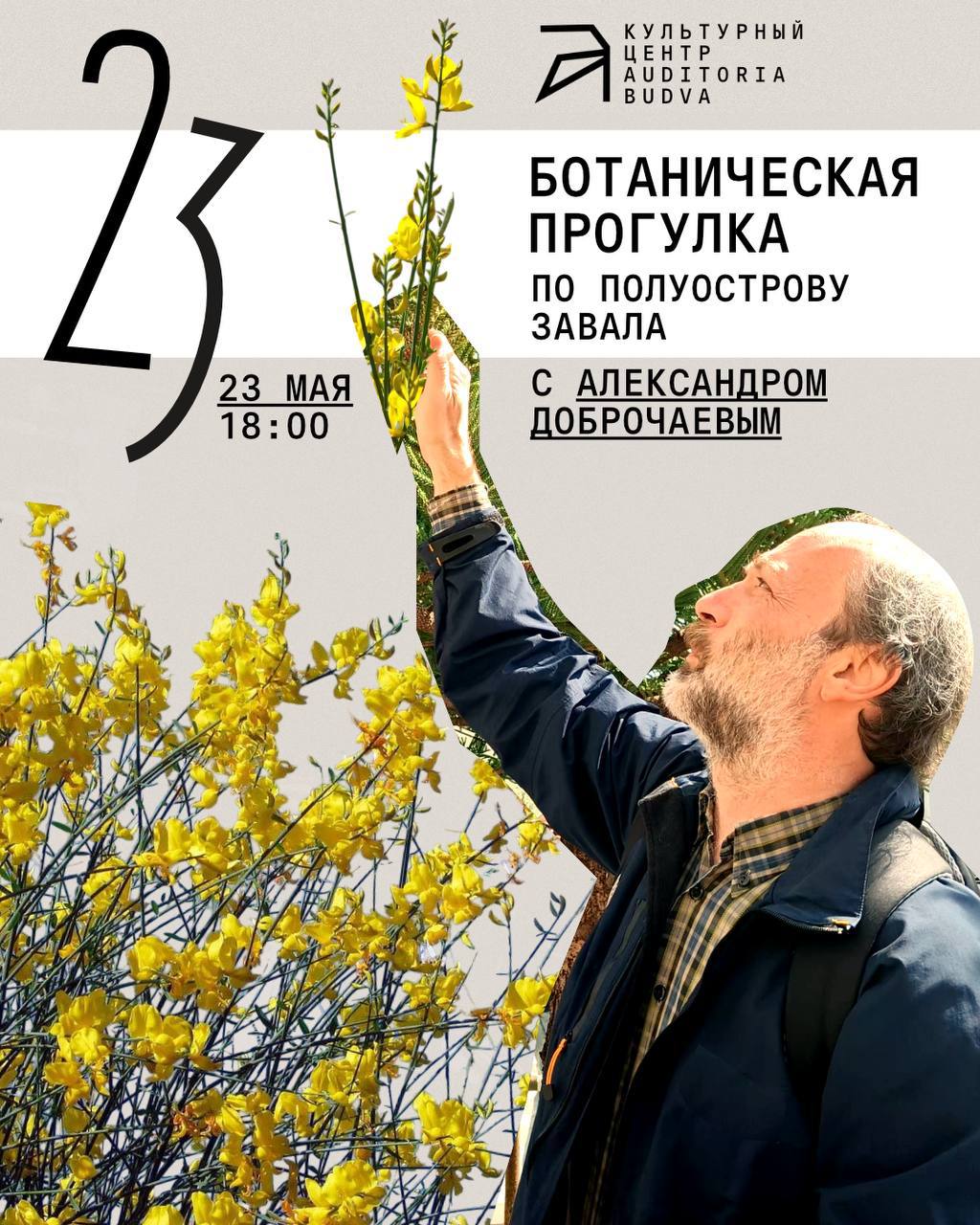
Grasses, shrubs and trees of the wild part of the Zavala Peninsula (the one with the Dukley hotel) set against picturesque sea views and the sunset over the Old Town. Join us for a new (unfortunately the last this season) botanical walk! We meet on Saturday, 23 May, at 18:00. Start point — the parking by the roundabout on the Budva exit. We will talk about the biology of the plant species encountered. If you've been on our walks before, don't worry — there will be plenty of new plants for everyone! The walk is led by Alexander Dobrochaev — biologist, biology teacher, PhD in biological sciences. Duration 2 hours. Price €10 (including children). Register telegram link
Q&A:
Most questions are answered by the organizer, but community members can also answer.
Contacts
Kiddodoo MessagesSchedule & Booking:
We verified the schedule less than 24 hours ago. Book with confidence, guaranteed best price.
Skills & Interests
Be it city or nature walks — with an engaging guide, a scientist, a scavenger hunt, games along the way, or elements of outdoor sketching — hikes and walks are a wonderful way to gradually expand a child's independence. They give children more time outdoors in a free and friendly environment with peers, spark their interest in biology, archaeology, architecture, or hiking, and simply help families spend great time together.
more «walks and hikes» →Although biology is not usually taught as a separate subject in primary school, children are often fascinated by biologists’ stories, learning to observe the microworld through a microscope and to recognize different species of plants and animals, learning secrets about everything. Adding biology elements to walks, activities, and experiments is not only engaging, but also helps spark a lasting interest in the natural sciences.
more «biology» →Activities that help participants become aware of their connection with nature, develop a mindful and respectful attitude toward it, take part in environmental initiatives, and gain a deeper understanding of natural ecosystems and how modern technologies can contribute to their preservation.
more «ecology» →We're still working on this description. A detailed overview will be available soon.
more «nature club» →Where?
Run activities for kids?
Reach families who are a real match. Post your classes, camps and programs to the open catalog. Kiddodoo shows them to parents whose children are genuinely exploring what you offer, not just anyone within 5 km.
Get startedThis page is from the Kid-do-doo app. Install the app to see the details.
Parenting, made clearer — and less scattered
Understand what may be happening with your child — and find real-world ways to support the next step.
This page is from the Kid-do-doo app. Install the app to see the details.
Parenting, made clearer — and less scattered
Understand what may be happening with your child — and find real-world ways to support the next step.
Schedule:
We verified the schedule less than 24 hours ago. Book with confidence, guaranteed best price.