early development — Portugal


About
Minines and Caracol invite families with children aged 0–7 to play and discover Portuguese together. 13.11.2026, 10:30–11:15 Lisbon time, Allma Family Club, Setúbal. A €15 ticket includes one adult and one child; the Minines community rate is €12. Each additional adult or child costs €5. Register using the official link. link
Q&A:
Most questions are answered by the organizer, but community members can also answer.
Contacts
Kiddodoo MessagesSchedule & Booking:
We verified the schedule less than 24 hours ago. Book with confidence, guaranteed best price.
Skills & Interests
Rhymes and action songs combined with coordinated hand and finger movements and playful interaction. They practise rhythm, listening, participation in speech, and fine-motor coordination, often together with a caregiver.
more «finger play action songs» →Children create with household and natural materials, scissors, glue, and a mix of techniques. Activities range from designing personal projects to following a guided example. They provide a rich sensory experience, strengthen fine motor skills and focus, teach planning, and help children feel a sense of achievement, pride, and the joy of “I made it!” — “I did it myself!”.
more «creative DIY crafts» →Developing cognitive functions and movement skills. Early development sometimes includes activities that help children master key skills 'earlier than expected'. More often these programs are designed for ages 0–3 and focus on supporting the brain, early thinking and speech, motor skills and body control through movement, fine-motor and sensory play, and hands-on activities.
more « early development» →We're still working on this description. A detailed overview will be available soon.
more «books» →Activities centered around music that develop listening skills, sense of rhythm, attention, memory, coordination, musicality, and self-expression — through listening and playful interaction as well as learning music theory, playing instruments, or singing. Over time, musicality becomes more than a skill: it becomes a way to experience joy, process emotions, feel part of a group, and find support in music throughout life.
more «music» →Children participate in play, creativity, or exploration while language is introduced naturally through communication, instructions, phrases, and new words in context. The focus is on engagement and real interaction — whether it’s a walk, crafts, science experiments, a book club, board games, or sports.
more «activities in english» →Where?

Run activities for kids?
Reach families who are a real match. Post your classes, camps and programs to the open catalog. Kiddodoo shows them to parents whose children are genuinely exploring what you offer, not just anyone within 5 km.
Get startedThis page is from the Kid-do-doo app. Install the app to see the details.
Parenting, made clearer — and less scattered
Understand what may be happening with your child — and find real-world ways to support the next step.
This page is from the Kid-do-doo app. Install the app to see the details.
Parenting, made clearer — and less scattered
Understand what may be happening with your child — and find real-world ways to support the next step.
Schedule:
We verified the schedule less than 24 hours ago. Book with confidence, guaranteed best price.
Sensory theatre for toddlers «Cô-Cô-Ró-Có» (play)
No photos addedSensory theatre for toddlers «Cô-Cô-Ró-Có» (play)

About
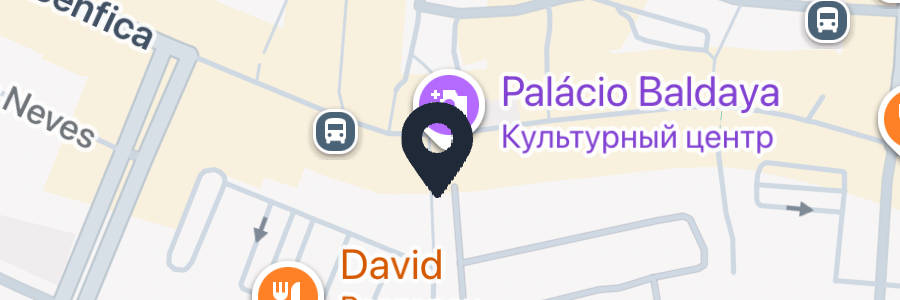
Organizer: Palácio Baldaya Sensory theatre for toddlers as part of Palácio Baldaya’s 9th anniversary program. A short morning show for very young children. Free admission, no registration needed. This announcement was found and posted by KiddoDoo editors. Like it and we will find out all the details and exact schedule. 11:00 — sensory theatre for toddlers «Cô-Cô-Ró-Có» Palácio Baldaya — 9 years: three days of free programming in Benfica An 18th-century manor house, closed to visitors for more than a century, reopens its doors — this time with film, concerts and theatre, and all free 🎬 📅29 August, 30 August, 11:00–22:00; 1 September, 19:00 📍 Palácio Baldaya, Estrada de Benfica 701A, Benfica (Colégio Militar/Luz metro) 🎫Free admission, no registration required (link) Wandering around such a place is half the pleasure. ✨
Q&A:
Most questions are answered by the organizer, but community members can also answer.
Contacts
Kiddodoo MessagesSchedule & Booking:
We verified the schedule less than 24 hours ago. Book with confidence, guaranteed best price.
Skills & Interests
Organized activities in which children and caregivers participate together, such as crafts, games, quests, movement, or family camps. The defining element is shared participation and relationship time, not a particular subject.
more «familytime» →Developing cognitive functions and movement skills. Early development sometimes includes activities that help children master key skills 'earlier than expected'. More often these programs are designed for ages 0–3 and focus on supporting the brain, early thinking and speech, motor skills and body control through movement, fine-motor and sensory play, and hands-on activities.
more « early development» →One-time events and activities for weekends or leisure: plays and movie screenings, workshops, lectures, day hikes and trips, fairs, shows, fun runs, competitions, quests. What's there for us this weekend?
more «upcoming events» →Short sensory or interactive performances for babies and toddlers, using sound, movement, objects, and close audience participation. The focus is a safe early arts experience, not formal theatre training.
more «baby theatre» →Where?
Run activities for kids?
Reach families who are a real match. Post your classes, camps and programs to the open catalog. Kiddodoo shows them to parents whose children are genuinely exploring what you offer, not just anyone within 5 km.
Get startedThis page is from the Kid-do-doo app. Install the app to see the details.
Parenting, made clearer — and less scattered
Understand what may be happening with your child — and find real-world ways to support the next step.
This page is from the Kid-do-doo app. Install the app to see the details.
Parenting, made clearer — and less scattered
Understand what may be happening with your child — and find real-world ways to support the next step.
Schedule:
We verified the schedule less than 24 hours ago. Book with confidence, guaranteed best price.
About
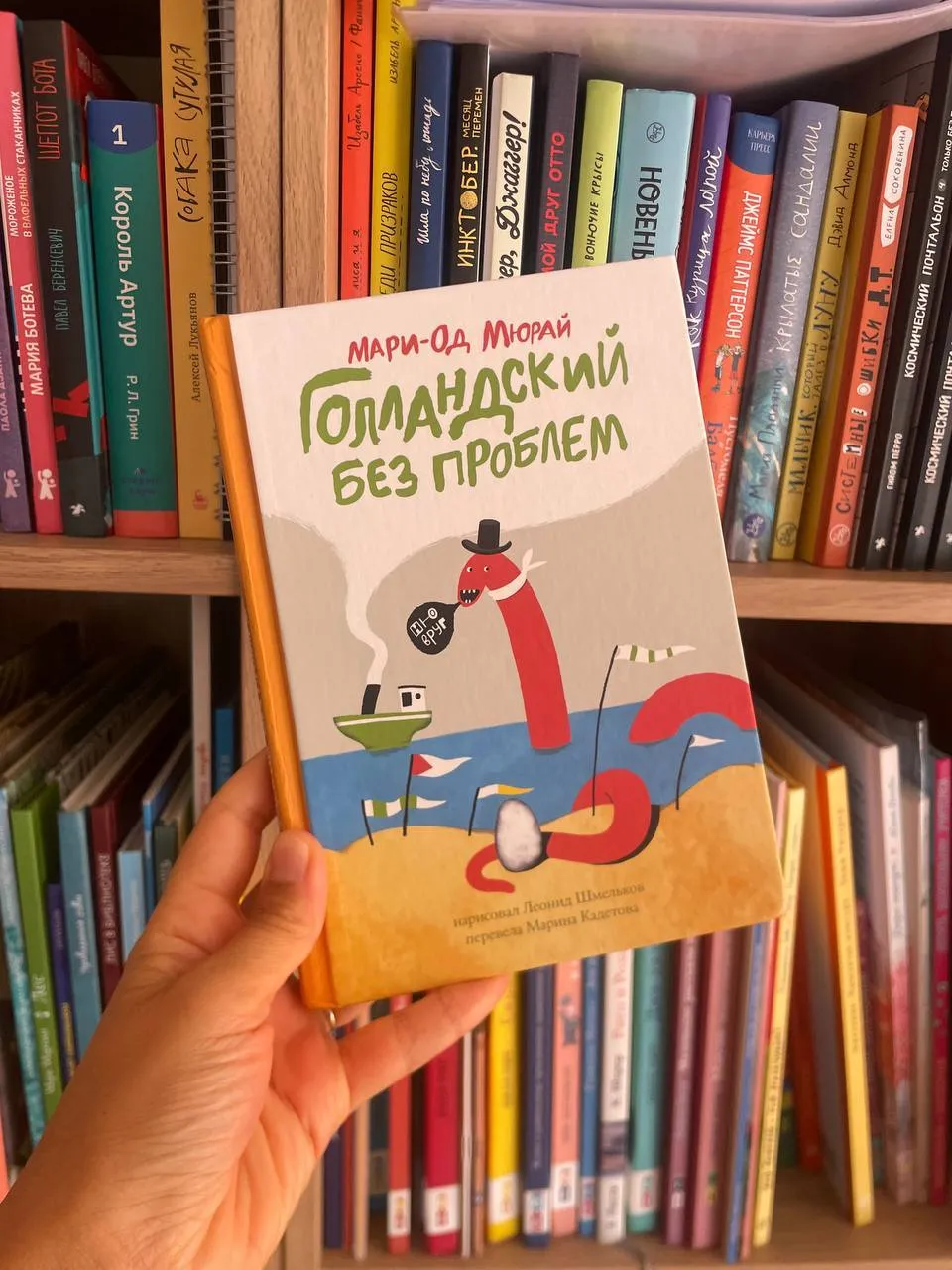
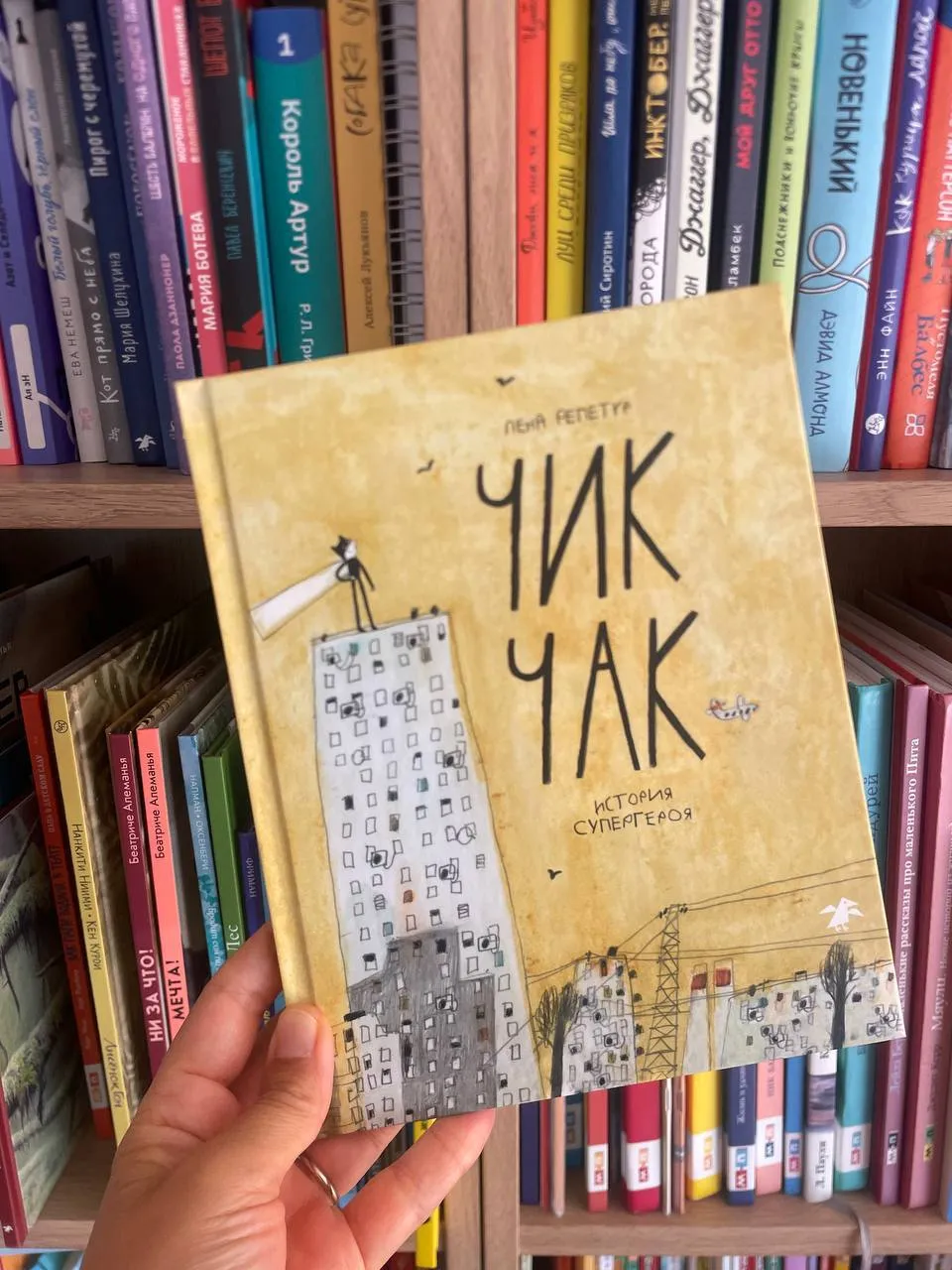
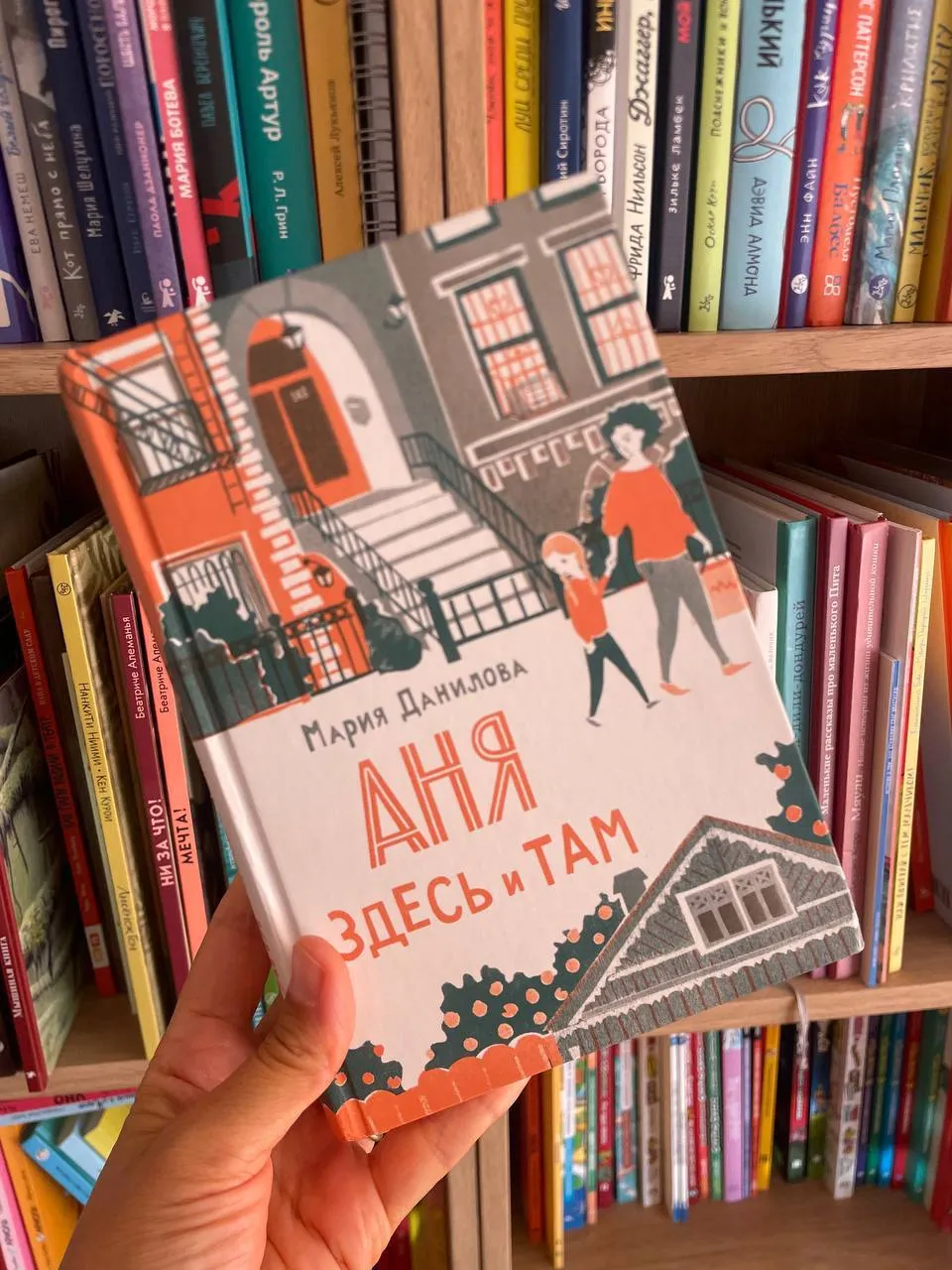
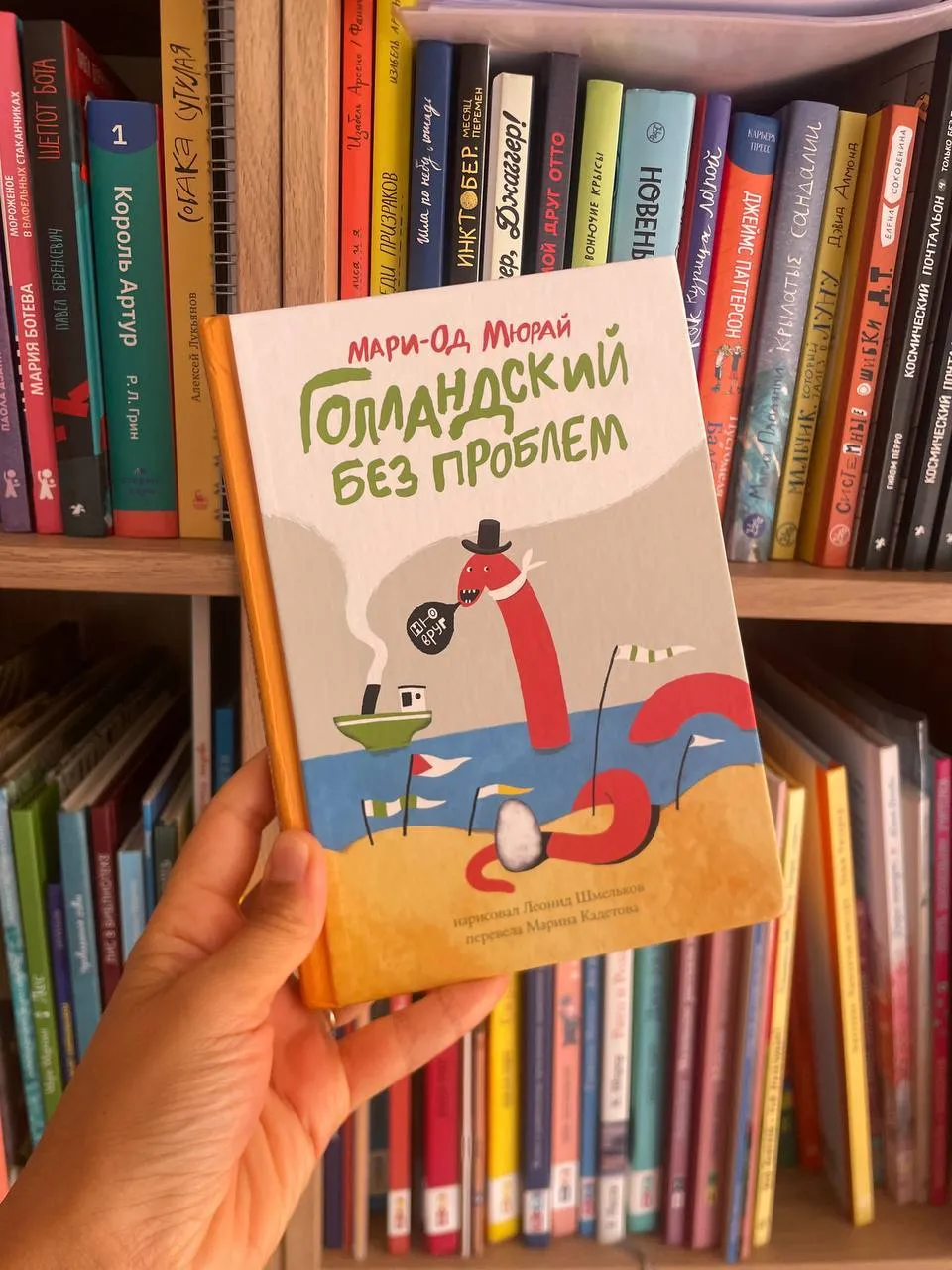
Organizer: Clarity A free open meeting for parents of bilingual children or those integrating into an international environment. Olga Sokolova will talk about children's books that help children and adults understand what happens when a child enters a new language environment. You may bring your child to Saturday school and stay for the talk. This announcement was found and posted by KiddoDoo editors. Like it and we will find out all the details and exact schedule. 📗🌱 If you are a parent of a bilingual child or a parent of a child who is integrating into an international environment, Olga Sokolova, the librarian and specialist in child bilingualism (instagram link), invites you to a free open meeting. Here and There. What We Don't Know About Our Bilingual Children. There are children's books that help children better understand what is happening to them. And there are children's books that help adults understand what is happening with their children, to hear, to learn what is really happening inside the child. Olga will talk about several books whose heroes enter a new language environment. And no — immersion does not always work, not immediately and not for everyone. 31 October, Saturday From 10:30 to 11:30 📍 At Clarity Center in Campolide (link) You can bring your child to Saturday school and stay to get important and interesting information. We are waiting for you! 🤗 Register easily in KiddoDu or in the organizer's direct: telegram link
Q&A:
Most questions are answered by the organizer, but community members can also answer.
Contacts
Kiddodoo MessagesSchedule & Booking:
We verified the schedule less than 24 hours ago. Book with confidence, guaranteed best price.
Skills & Interests
Developing cognitive functions and movement skills. Early development sometimes includes activities that help children master key skills 'earlier than expected'. More often these programs are designed for ages 0–3 and focus on supporting the brain, early thinking and speech, motor skills and body control through movement, fine-motor and sensory play, and hands-on activities.
more « early development» →Activities designed to help children express and understand their emotions in a safe, caring atmosphere. With guidance from a trained psychologist, they explore creative ways to cope with stress, build self-confidence, and feel understood.
more «psy_support» →We're still working on this description. A detailed overview will be available soon.
more «books» →Where?
Run activities for kids?
Reach families who are a real match. Post your classes, camps and programs to the open catalog. Kiddodoo shows them to parents whose children are genuinely exploring what you offer, not just anyone within 5 km.
Get startedThis page is from the Kid-do-doo app. Install the app to see the details.
Parenting, made clearer — and less scattered
Understand what may be happening with your child — and find real-world ways to support the next step.
This page is from the Kid-do-doo app. Install the app to see the details.
Parenting, made clearer — and less scattered
Understand what may be happening with your child — and find real-world ways to support the next step.
Schedule:
We verified the schedule less than 24 hours ago. Book with confidence, guaranteed best price.