biology — Serbia

About
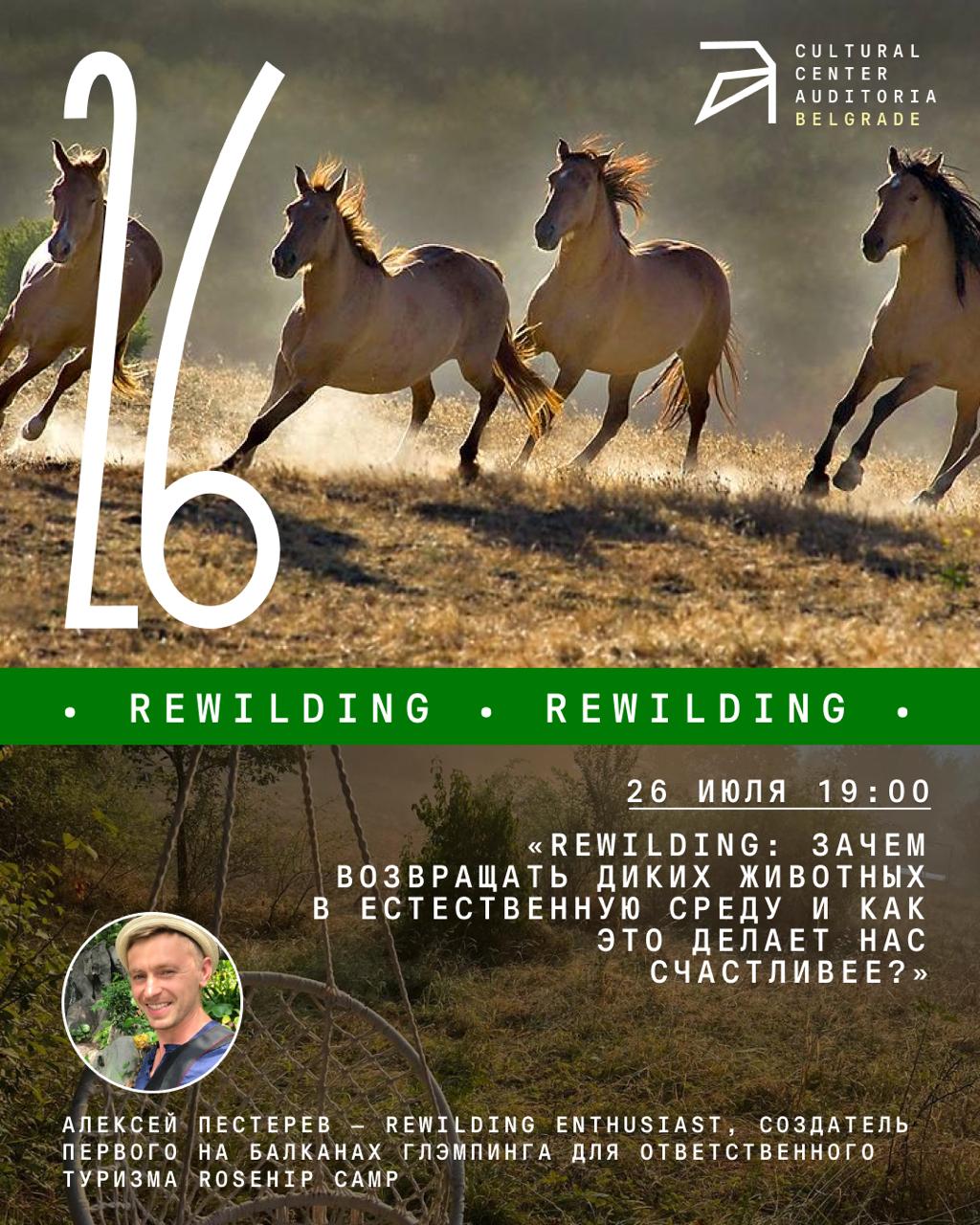
Organizer: Auditoria Belgrade A lecture about rewilding — the approach to restoring nature by returning large herbivores and rebuilding ecosystems. We will discuss effects on biodiversity and human well‑being, successful European projects, and what you can do this summer to help. This announcement was found and posted by KiddoDoo editors. Like it and we will find out all the details and exact schedule. What happens to nature when bison, wild horses or other large herbivores return to forests or steppes? Why can they literally change whole ecosystems? And how is all this related to our own lives? In this lecture we will talk about rewilding — a modern approach to restoring nature that is actively developing across Europe. We will examine how the return of animals helps revive degraded ecosystems, increases biodiversity, and why scientists increasingly say that contact with living nature directly affects our well‑being and sense of happiness. Topics include: 💚 what rewilding is and why it is called one of the most promising environmental directions of the 21st century; 💚 how large herbivores change landscapes and restore natural balance; 💚 which projects already work successfully in Europe; 💚 why biodiversity matters not only for the planet but for each of us; 💚 what you can do this summer to help nature and see results next spring. Speaker: Aleksey Pesterev — rewilding enthusiast, founder of the Balkans' first glamping for responsible tourism Rosehip Camp. Previously HR in Oil & Gas, now promoting ecosystem restoration projects, trained at Rewilding Europe and preparing for specialized education in rewilding management. 🗓 26 July (Sunday) 19:00 🎫 Free donation with mandatory pre-registration via link (link) 📍 Vojvode Dobrnjca 48, Beograd (link)
Q&A:
Most questions are answered by the organizer, but community members can also answer.
Contacts
Kiddodoo MessagesSchedule & Booking:
We verified the schedule less than 24 hours ago. Book with confidence, guaranteed best price.
Skills & Interests
Although biology is not usually taught as a separate subject in primary school, children are often fascinated by biologists’ stories, learning to observe the microworld through a microscope and to recognize different species of plants and animals, learning secrets about everything. Adding biology elements to walks, activities, and experiments is not only engaging, but also helps spark a lasting interest in the natural sciences.
more «biology» →Activities that help participants become aware of their connection with nature, develop a mindful and respectful attitude toward it, take part in environmental initiatives, and gain a deeper understanding of natural ecosystems and how modern technologies can contribute to their preservation.
more «ecology» →Where?

Run activities for kids?
Reach families who are a real match. Post your classes, camps and programs to the open catalog. Kiddodoo shows them to parents whose children are genuinely exploring what you offer, not just anyone within 5 km.
Get startedThis page is from the Kid-do-doo app. Install the app to see the details.
Parenting, made clearer — and less scattered
Understand what may be happening with your child — and find real-world ways to support the next step.
This page is from the Kid-do-doo app. Install the app to see the details.
Parenting, made clearer — and less scattered
Understand what may be happening with your child — and find real-world ways to support the next step.
Schedule:
We verified the schedule less than 24 hours ago. Book with confidence, guaranteed best price.

About
🏕June 16–19, Biology camp in Zasavica (telegram link) for ages 8–11. A science-oriented camp for the youngest: walks, tactile observations, studies, sketching and cataloguing, creating and defending first science projects. Led by a great team of biologists (telegram link). We sleep in tents at one of the most comfortable campsites in Serbia. We run this camp for the 3rd year; photos from past editions here (telegram link). Only 5 spots left. To sign up without fuss: via KiddoDu or directly with the organizer: telegram link
Q&A:
Most questions are answered by the organizer, but community members can also answer.
Contacts
Kiddodoo MessagesSchedule & Booking:
We verified the schedule less than 24 hours ago. Book with confidence, guaranteed best price.
Skills & Interests
Although biology is not usually taught as a separate subject in primary school, children are often fascinated by biologists’ stories, learning to observe the microworld through a microscope and to recognize different species of plants and animals, learning secrets about everything. Adding biology elements to walks, activities, and experiments is not only engaging, but also helps spark a lasting interest in the natural sciences.
more «biology» →Where?

Run activities for kids?
Reach families who are a real match. Post your classes, camps and programs to the open catalog. Kiddodoo shows them to parents whose children are genuinely exploring what you offer, not just anyone within 5 km.
Get startedThis page is from the Kid-do-doo app. Install the app to see the details.
Parenting, made clearer — and less scattered
Understand what may be happening with your child — and find real-world ways to support the next step.
This page is from the Kid-do-doo app. Install the app to see the details.
Parenting, made clearer — and less scattered
Understand what may be happening with your child — and find real-world ways to support the next step.
Schedule:
We verified the schedule less than 24 hours ago. Book with confidence, guaranteed best price.
About
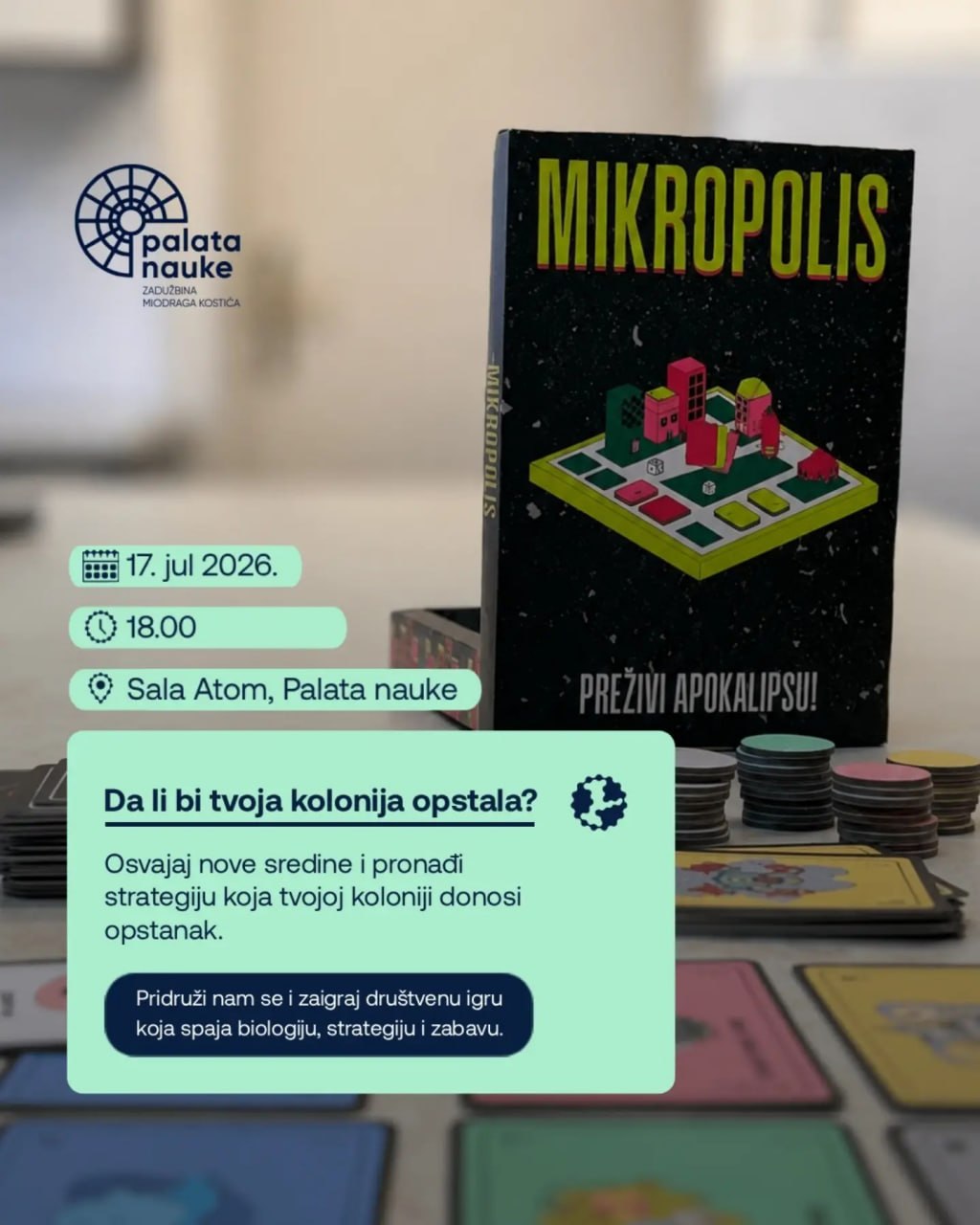
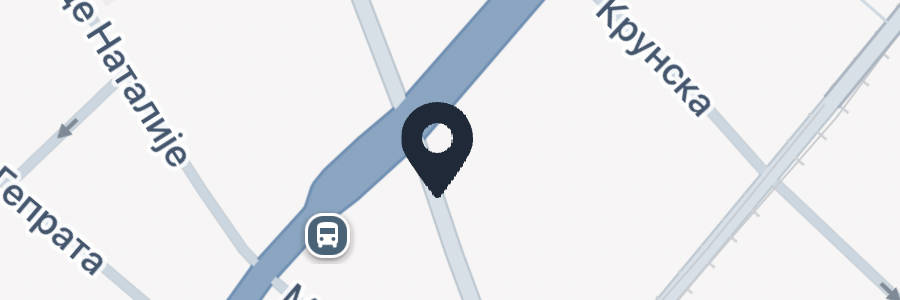
Organizer: Палата науке Palace of Science invites children 8+ to the board game "Micropolis". Participants manage a biological colony, develop survival strategies and experience real evolutionary processes. Registration required. Time: 18:00, place: Palace of Science. This announcement was found and posted by KiddoDoo editors. Like it and we will find out all the details and exact schedule. Tomorrow Palace of Science invites children from 8 years old to the board game "Micropolis". 🦠 During the game participants will manage their own biological colony, build survival strategies and adapt to changes in the environment, going through real evolutionary processes. To participate you must register here: link Entry by registration Time: 18:00 Place: Palace of Science (Palata nauke) link (link) Date: 2026-07-17 Contacts/channels: telegram link, telegram link
Q&A:
Most questions are answered by the organizer, but community members can also answer.
Contacts
Kiddodoo MessagesSchedule & Booking:
We verified the schedule less than 24 hours ago. Book with confidence, guaranteed best price.
Skills & Interests
Although biology is not usually taught as a separate subject in primary school, children are often fascinated by biologists’ stories, learning to observe the microworld through a microscope and to recognize different species of plants and animals, learning secrets about everything. Adding biology elements to walks, activities, and experiments is not only engaging, but also helps spark a lasting interest in the natural sciences.
more «biology» →Organized play with tabletop, card, strategy, or cooperative games. Children practise following rules, taking turns, making choices, planning moves, and interacting with other players; solitary puzzles are outside this tag.
more «board games» →Science, Technology, Engineering, Mechanics — practical exploration of engineering thinking and creative construction. Children experiment, design and build structures, test their ideas, and learn how simple mechanisms and processes work. These activities develop logical thinking, focus and perseverance, as well as spatial imagination.
more «stem» →Play-based activities designed to teach knowledge or skills through challenges, experiments, stories, or interactive tasks. The learning goal is built into the game rather than presented as a separate lesson.
more «edutainment» →Where?
Run activities for kids?
Reach families who are a real match. Post your classes, camps and programs to the open catalog. Kiddodoo shows them to parents whose children are genuinely exploring what you offer, not just anyone within 5 km.
Get startedThis page is from the Kid-do-doo app. Install the app to see the details.
Parenting, made clearer — and less scattered
Understand what may be happening with your child — and find real-world ways to support the next step.
This page is from the Kid-do-doo app. Install the app to see the details.
Parenting, made clearer — and less scattered
Understand what may be happening with your child — and find real-world ways to support the next step.
Schedule:
We verified the schedule less than 24 hours ago. Book with confidence, guaranteed best price.