Cognitive and learning capacities — Montenegro


About
Organizer: Школа Adriatic Open в Баре A parents' meeting about changes in children's attention, self-regulation and reading skills. A neuropsychologist and a language specialist will discuss attention and self-regulation issues, reading comprehension problems revealed by recent PISA results, and practical ways to restore deep reading and maintain parental trust. This announcement was found and posted by KiddoDoo editors. Like it and we will find out all the details and exact schedule. PARENT TUESDAY | 22 September, 17:00 The environment in which our children grow has changed very quickly. With it, attention, motivation, ways of perceiving information, learning, reading and building relationships with adults are changing. The new “Parent Tuesday” has two perspectives and two specialists. A neuropsychologist will talk about what is happening with the attention and self-regulation of the modern child, why they may understand everything but seem to “not hear”, why familiar pressure and control work worse and how to maintain an adult position, closeness and trust. A language specialist will continue the conversation from another side: what is happening with reading and understanding texts. Why children increasingly can read a text but not retain its meaning, see isolated facts but miss connections between them, and how we can restore the skill of deep reading, comprehension and working with complex texts. This topic is important now against the backdrop of new PISA results, where problems with reading literacy have become particularly evident. 22 September / Tuesday / 17:00 Sign up without fuss in KiddoDu or with the organizer: telegram link
Q&A:
Most questions are answered by the organizer, but community members can also answer.
Contacts
Kiddodoo MessagesSchedule & Booking:
We verified the schedule less than 24 hours ago. Book with confidence, guaranteed best price.
Skills & Interests
Capabilities for attention, information processing, reasoning, learning, and creating; excludes subject knowledge and emotional or interpersonal regulation.
more «Cognitive and learning capacities» →Where?

Run activities for kids?
Reach families who are a real match. Post your classes, camps and programs to the open catalog. Kiddodoo shows them to parents whose children are genuinely exploring what you offer, not just anyone within 5 km.
Get startedThis page is from the Kid-do-doo app. Install the app to see the details.
Parenting, made clearer — and less scattered
Understand what may be happening with your child — and find real-world ways to support the next step.
This page is from the Kid-do-doo app. Install the app to see the details.
Parenting, made clearer — and less scattered
Understand what may be happening with your child — and find real-world ways to support the next step.
Schedule:
We verified the schedule less than 24 hours ago. Book with confidence, guaranteed best price.
About
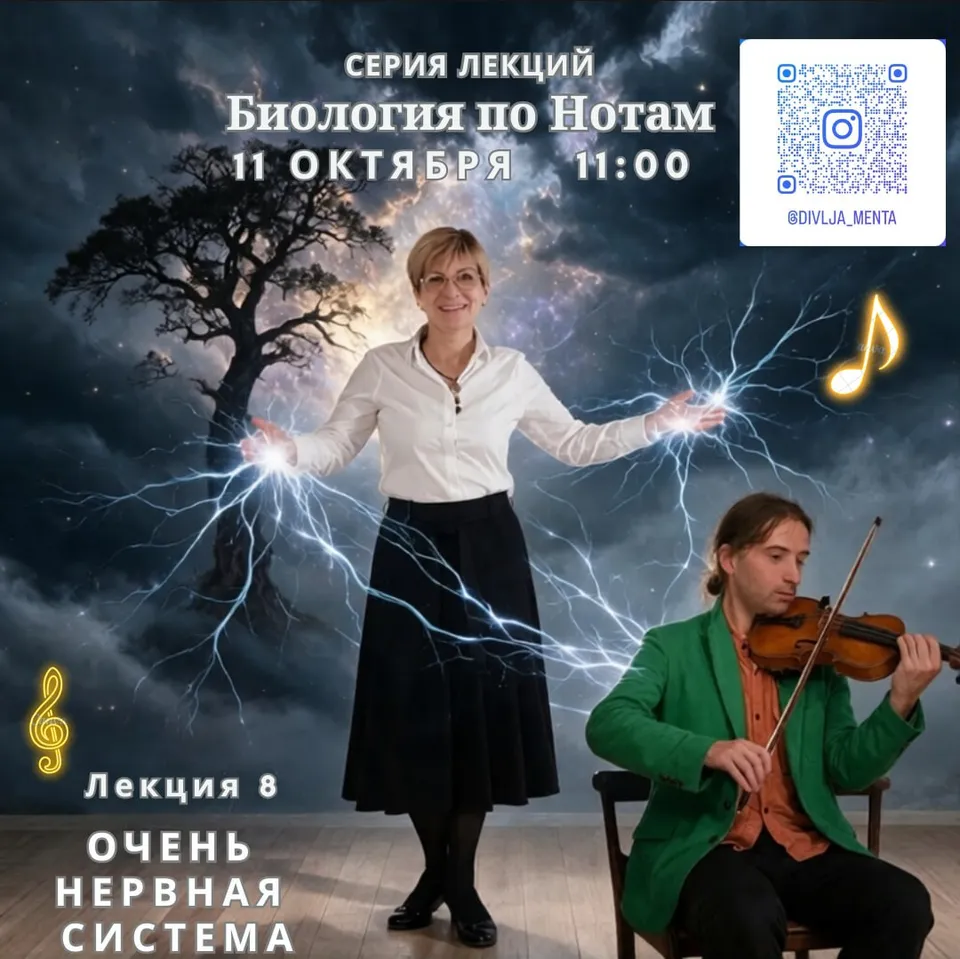
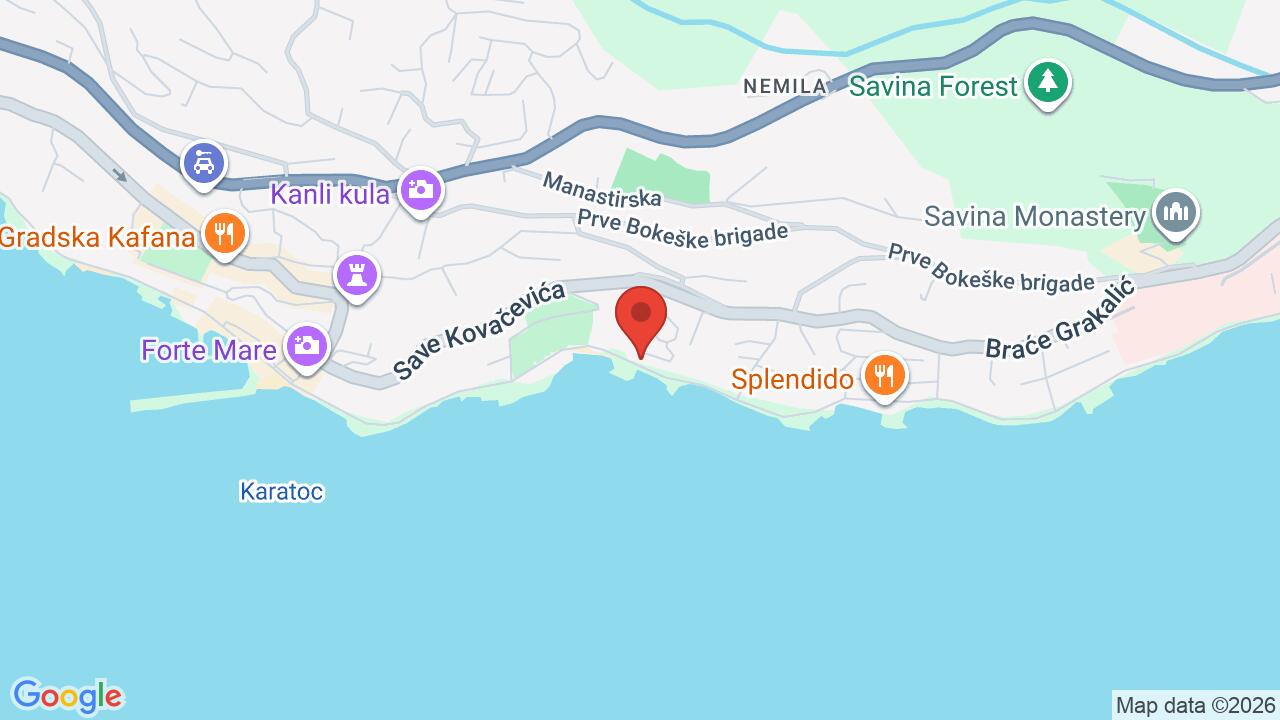
Organizer: Divlja Menta On October 11 at 11:00 in Herceg-Novi at Divlja Menta there will be the eighth lecture about the nervous system. Topics include centers and periphery of the nervous system, synapses and neurotransmitters, and connections between music, meteorology and biology. For children ages 8–15; adults are welcome. Entrance €10, registration required. This announcement was found and posted by KiddoDoo editors. Like it and we will find out all the details and exact schedule. On October 11 at 11:00 in Herceg-Novi there will be an event at Divlja Menta. You are invited to the eighth lecture dedicated to the nervous system. Our nervous system is truly: 🦾complexly organized, 🕵️poorly studied, 🧠interesting. 🗣Come to talk about centers and periphery of the nervous system, about synapses and neurotransmitters, about connections between music, meteorology and biology. For children ages 8–15. Adults are welcome. Entrance: 10 EUR Registration: telegram link 📍 Divlja Menta (link) #лекция #херцегнови #черногория #афиша
Q&A:
Most questions are answered by the organizer, but community members can also answer.
Contacts
Kiddodoo MessagesSchedule & Booking:
We verified the schedule less than 24 hours ago. Book with confidence, guaranteed best price.
Skills & Interests
Although biology is not usually taught as a separate subject in primary school, children are often fascinated by biologists’ stories, learning to observe the microworld through a microscope and to recognize different species of plants and animals, learning secrets about everything. Adding biology elements to walks, activities, and experiments is not only engaging, but also helps spark a lasting interest in the natural sciences.
more «biology» →Evaluating evidence, assumptions, and reliability; not merely applying logical rules.
more «Critical thinking» →Expressing and receiving meaning appropriately; includes speaking and active listening.
more «Communication» →Playful early-childhood activities combining movement, sensory exploration, coordination, attention, or simple memory games. This tag describes educational play and must not be used for neurological diagnosis, rehabilitation, or therapy.
more «neurodevelopment» →Educational exercises for school-age children that practise attention, working memory, self-regulation, and learning strategies used in reading or writing. This tag covers skills practice and educational support, not diagnosis or medical treatment.
more «neurotraining» →Capabilities for attention, information processing, reasoning, learning, and creating; excludes subject knowledge and emotional or interpersonal regulation.
more «Cognitive and learning capacities» →Where?
Run activities for kids?
Reach families who are a real match. Post your classes, camps and programs to the open catalog. Kiddodoo shows them to parents whose children are genuinely exploring what you offer, not just anyone within 5 km.
Get startedThis page is from the Kid-do-doo app. Install the app to see the details.
Parenting, made clearer — and less scattered
Understand what may be happening with your child — and find real-world ways to support the next step.
This page is from the Kid-do-doo app. Install the app to see the details.
Parenting, made clearer — and less scattered
Understand what may be happening with your child — and find real-world ways to support the next step.
Schedule:
We verified the schedule less than 24 hours ago. Book with confidence, guaranteed best price.
About
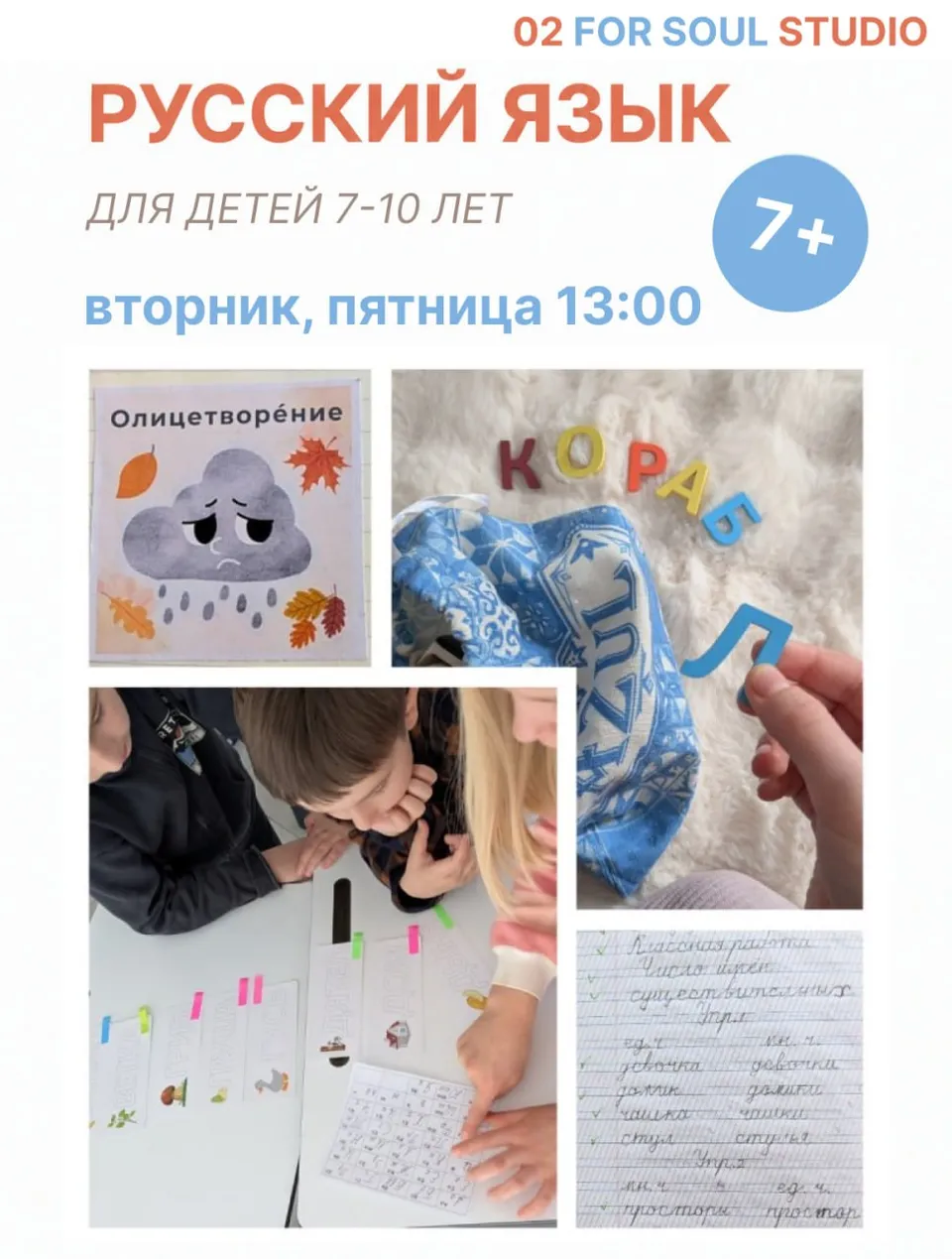
Organizer: Студия О2: керамика, воркшопы, встречи, праздники Group offline Russian language classes for children ages 7–9 covering the 2nd–3rd grade curriculum: phonetics, vocabulary, word structure, parts of speech, texts and orthography. Classes meet twice a week (Mon & Fri) at 18:00 for 55 minutes. Group size up to 6; teacher uses a neuropsychological approach. Price: 8 lessons — 120 EUR. This announcement was found and posted by KiddoDoo editors. Like it and we will find out all the details and exact schedule. RUSSIAN LANGUAGE FOR CHILDREN 7–9 years We invite you to group offline Russian language classes! ✍️ We study the 2nd–3rd grade Russian school program and consistently build a solid language foundation: 🔹 phonetics (sounds, stress, analysis); 🔹 vocabulary (polysemantic words, homonyms, synonyms, antonyms); 🔹 word structure (root, prefix, suffix, ending); 🔹 text and sentence; 🔹 parts of speech (noun, adjective, verb); 🔹 fundamental orthographic rules. 🧠 Teacher Elena has specialized higher education in publishing, educational psychology and a qualification in neuropsychology. Therefore, a neuropsychological approach is applied in lessons, which makes the lessons not mechanical memorization of rules or copying from the board. The teacher uses game techniques and exercises that help engage, better understand and remember the material, while developing attention, memory, thinking, speech and other cognitive functions. 📅 2 times a week: Tue & Fri, 13:00 ⏱️ 55 minutes 👫 up to 6 children per group 💶 8 lessons 120 EUR Sign up without hassle in KiddoDu or in the organizer's direct: telegram link
Q&A:
Most questions are answered by the organizer, but community members can also answer.
Contacts
Kiddodoo MessagesSchedule & Booking:
We verified the schedule less than 24 hours ago. Book with confidence, guaranteed best price.
Skills & Interests
We're still working on this description. A detailed overview will be available soon.
more «russian language» →Academic Russian covers content taught within England's standard general-education curriculum. The tag also applies to home, online, or private tutoring when it follows that curriculum; extracurricular and specialist content outside it is excluded.
more «Academic Russian» →Capabilities for attention, information processing, reasoning, learning, and creating; excludes subject knowledge and emotional or interpersonal regulation.
more «Cognitive and learning capacities» →Where?

Run activities for kids?
Reach families who are a real match. Post your classes, camps and programs to the open catalog. Kiddodoo shows them to parents whose children are genuinely exploring what you offer, not just anyone within 5 km.
Get startedThis page is from the Kid-do-doo app. Install the app to see the details.
Parenting, made clearer — and less scattered
Understand what may be happening with your child — and find real-world ways to support the next step.
This page is from the Kid-do-doo app. Install the app to see the details.
Parenting, made clearer — and less scattered
Understand what may be happening with your child — and find real-world ways to support the next step.
Schedule:
We verified the schedule less than 24 hours ago. Book with confidence, guaranteed best price.