
About
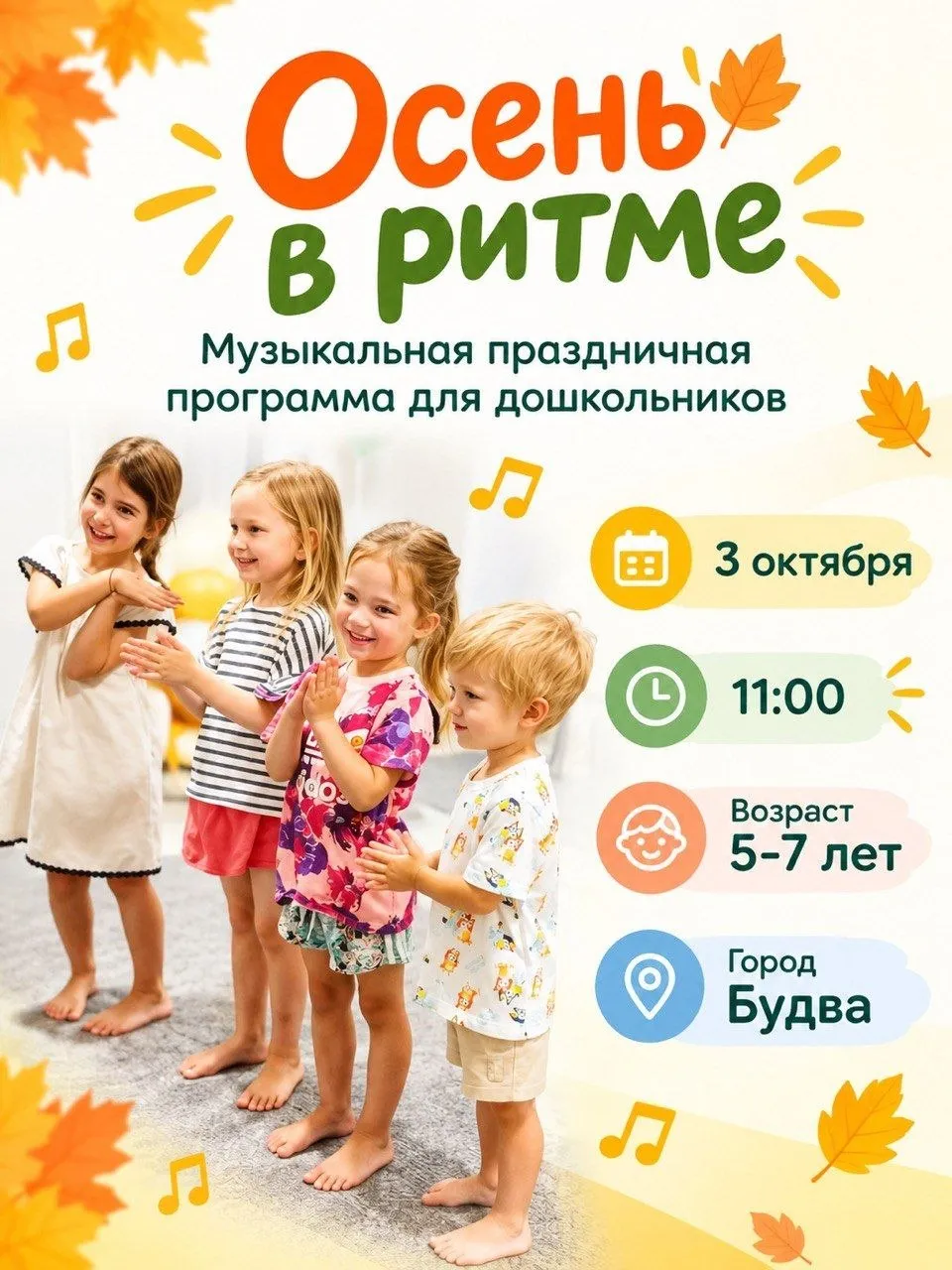
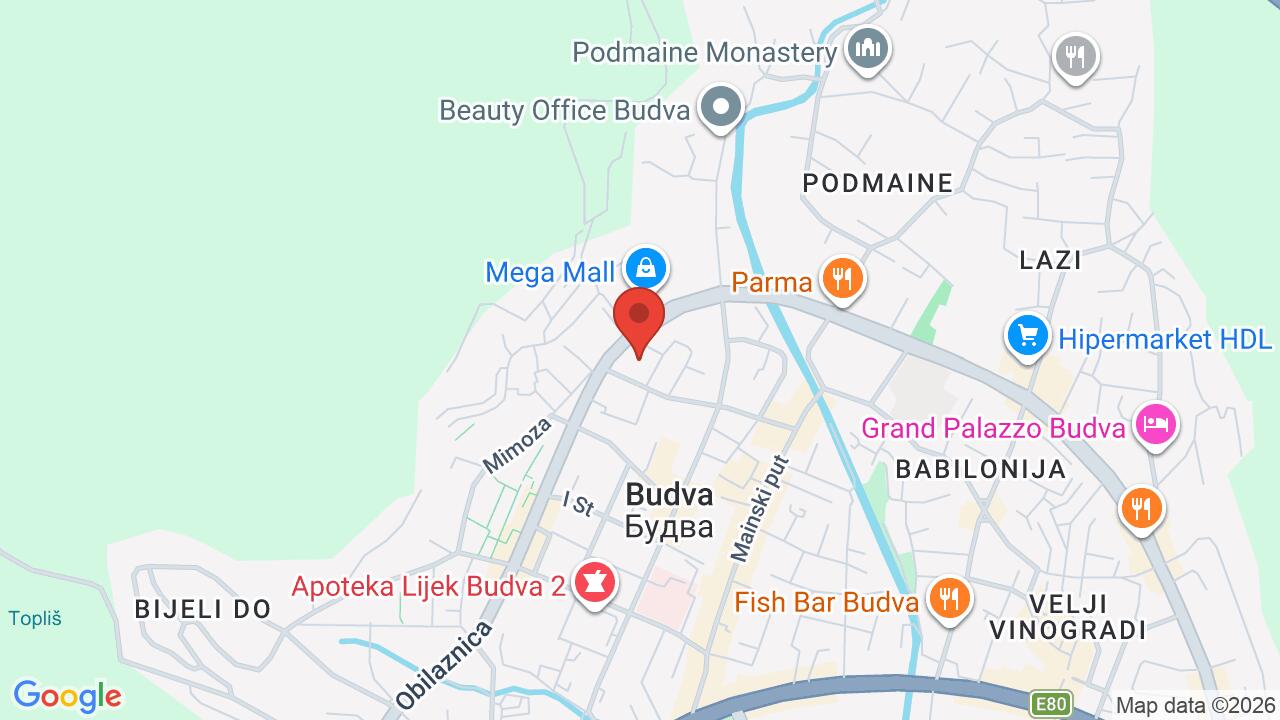
Organisator: Первая школа мюзикла Op 3 oktober om 11:00 uur wordt in Budva in de Eerste School voor Musical het feest 'Herfst in Ritme' gehouden voor kinderen en hun ouders. Op het programma staan muziek- en dansspelletjes, improvisatie, het vormen van een orkest en een groot herfstig muziekfeest. Je hoeft geen acts van tevoren in te studeren — kinderen proberen vrijuit en spelen met muziek. Toegang €20, registratie via de link. Deze aankondiging is gevonden en geplaatst door de redacteurs van KiddoDoo. Like het en we zoeken alle details en het exacte schema voor je uit. Op 3 oktober om 11:00 uur vindt in Budva een evenement plaats in de Eerste School voor Musical. Beste ouders, wij nodigen u en uw kinderen uit voor het feest 'Herfst in Ritme' 😊 Op de Musical School organiseren we 'Herfst in Ritme' — een muzikaal feestprogramma waarbij je geen liedjes, gedichten of dansen van tevoren hoeft te leren. Hier kan elk kind zichzelf zijn, uitproberen, verzinnen en spelen met muziek. We zullen: 🎵 bewegen op muziek en experimenteren met ritme; 🍁 dansen met herfstbladeren; 🥁 ons eigen orkest creëren; 🌧️ de geluiden van regen in muziek veranderen; 💃 dansspelletjes spelen; 🎤 improviseren; ✨ en natuurlijk een groot herfstig muziekfeest houden! Toegang: €20 Registratie: telegram link 📍 Eerste School voor Musical (link)
Q&A:
Most questions are answered by the organizer, but community members can also answer.
Contacts
Kiddodoo MessagesSchedule & Booking:
We verified the schedule less than 24 hours ago. Book with confidence, guaranteed best price.
Skills & Interests
What it is: Expression is the child's current need for an outlet for feelings, ideas, experiences, imagination, or identity. Why it matters: meeting it can help a child process experience, make themselves understood, exercise agency, and contribute something personally meaningful. When it rises: the child may have something they want to communicate, create, show, or embody without a suitable outlet. When it lowers: verbal, creative, musical, physical, dramatic, or symbolic expression may have helped meet the need. Why this is the same: these different forms belong together because each gives inner experience an outward form. Why this is different: Communication and Creativity are transferable abilities that can develop through expressive activities; they are not the child's current need for an outlet.
more «Expression» →Activities centered around music that develop listening skills, sense of rhythm, attention, memory, coordination, musicality, and self-expression — through listening and playful interaction as well as learning music theory, playing instruments, or singing. Over time, musicality becomes more than a skill: it becomes a way to experience joy, process emotions, feel part of a group, and find support in music throughout life.
more «music» →What it is: Movement is the child's current need for physical action or an outlet for bodily energy. Why it matters: meeting it can support bodily comfort, regulation, attention, and readiness for other kinds of participation. When it rises: the body may have been still for too long or may have energy that needs an active outlet. When it lowers: active play, sport, walking, stretching, or another suitable opportunity may have helped meet the need. Why this is the same: wanting to run, move, stretch, or use the body points to the same need for physical action. Why this is different: Restlessness is an uncomfortable feeling that may accompany the need, while Challenge is a need for achievable difficulty rather than movement itself.
more «Movement» →We're still working on this description. A detailed overview will be available soon.
more «singing» →Includes vocal training, stage movement, and acting. For many children, taking part in a musical becomes a foundation for future professional growth. Helps develop confidence, public-speaking and stage-presence skills, as well as discipline and musicality. These classes are held on a regular basis and follow a structured schedule — typically 2–3 times per week.
more «musical» →One-time events and activities for weekends or leisure: plays and movie screenings, workshops, lectures, day hikes and trips, fairs, shows, fun runs, competitions, quests. What's there for us this weekend?
more «upcoming events» →What it is: Joy is a present feeling of happiness, pleasure, or warm enjoyment. Why it matters: it can support engagement, connection, exploration, and a wish to return to an experience. When it rises: positive enjoyment becomes more noticeable or intense. When it lowers: the child may simply feel more neutral; it does not mean Sadness has risen. Why this is the same: happiness, delight, and pleasure belong here when they describe the child's current positive feeling. Why this is different: Excitement centres on energized anticipation, Fun is a personal judgement about an activity, and lasting wellbeing is broader than a current feeling.
more «Joy» →Where?
Run activities for kids?
Reach families who are a real match. Post your classes, camps and programs to the open catalog. Kiddodoo shows them to parents whose children are genuinely exploring what you offer, not just anyone within 5 km.
Get startedThis page is from the Kid-do-doo app. Install the app to see the details.
Parenting, made clearer — and less scattered
Understand what may be happening with your child — and find real-world ways to support the next step.
This page is from the Kid-do-doo app. Install the app to see the details.
Parenting, made clearer — and less scattered
Understand what may be happening with your child — and find real-world ways to support the next step.
Schedule:
We verified the schedule less than 24 hours ago. Book with confidence, guaranteed best price.