
About
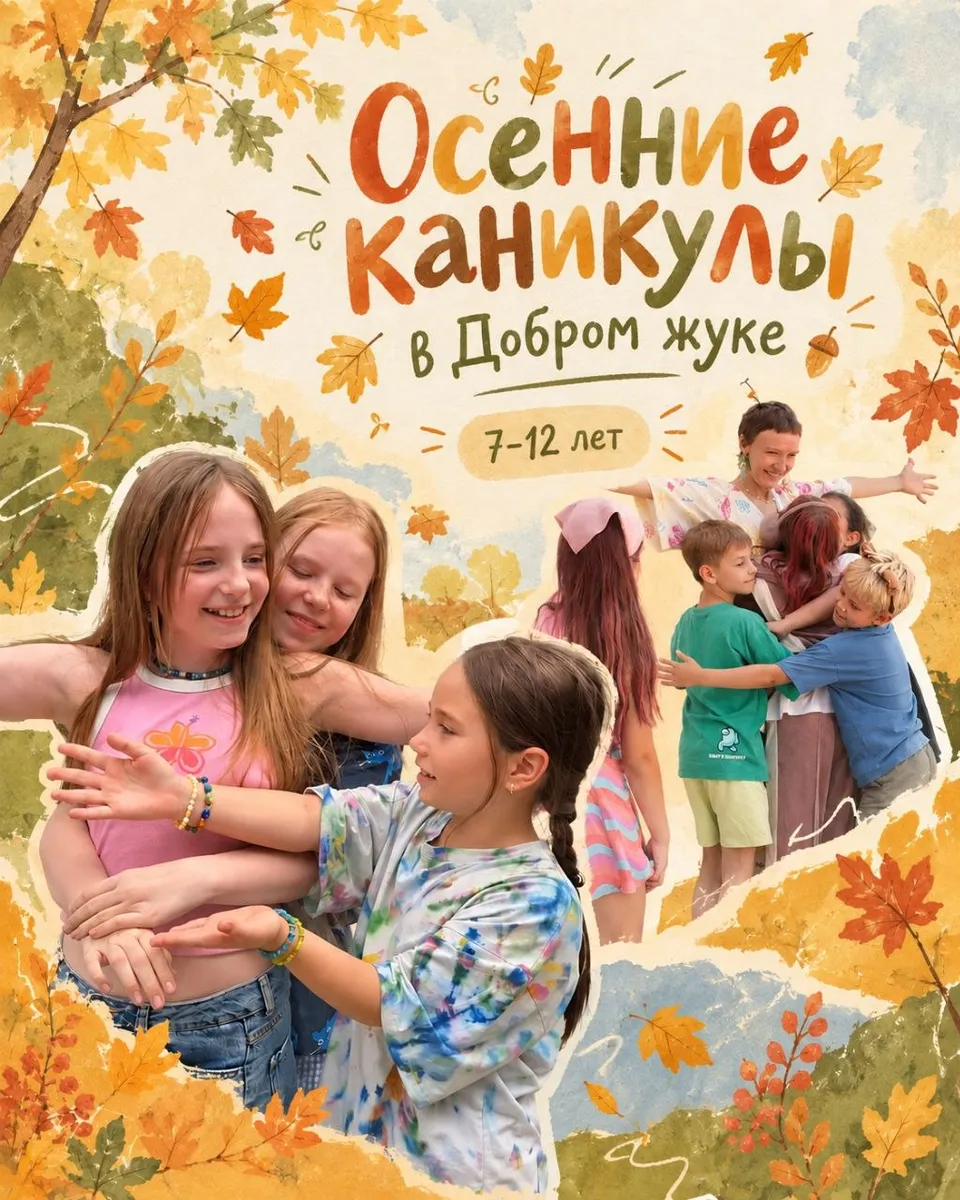
Organizator: «Добрый жук» - пространство детства Miejski, domowy obóz dzienny dla dzieci 7–12 lat (grupa do 8). Pon–Pt 09:30–18:30 w wyznaczonych tygodniowych blokach w październiku i listopadzie. W programie: zabawy na świeżym powietrzu, warsztaty plastyczne, czytanie, projekcje filmów, mini-herbatki i pieczenie bułeczek na ognisku. Cena za tydzień — 70 000 dram. To ogłoszenie zostało znalezione i opublikowane przez redaktorów KiddoDoo. Polub je, a poznamy wszystkie szczegóły i dokładny harmonogram. Miejski, domowy obóz dzienny dla dzieci 7–12 lat (grupa do 8 osób) 📍Gdzie: Arabkir, st. Druzhba, ul. Amo Saghyan Do naszej dyspozycji jest ogród z drzewami owocowymi, przytulne altanki i tarasy oraz przestronny, ciepły salon w domu. 🍁 Będziemy szukać radości w każdym dniu: tarzać się w liściach, piknikować na kocach, piec bułeczki na ognisku, organizować tradycyjne mini-herbatki, oglądać dobre filmy na projektorze, czytać ciekawe książki w fortach z koców, rysować, majsterkować, wymyślać własne gry, poznawać przyjaciół, robić niespodzianki, uczyć się dogadywać i być uważnym wobec siebie nawzajem, fantazjować... rozkoszować się dniami JESIENNYCH WAKACJI! 👦🏻👧🏼 Dla tych, którym ważne jest być wysłuchanym, którzy cenią przestrzeń osobistą, którzy lubią tworzyć, czytać i marzyć. 🗓️ Kiedy: pon–pt 09:30–18:30 5–9, 19–23, 26–30 października 9–13 listopada 🏷️Cena za 1 tydzień: 70 000 dram (w cenie codzienne zabawy i zajęcia kreatywne, smaczny obiad, śniadanie i podwieczorek) ✍🏻 Aby zapisać się, pisz: telegram link
Q&A:
Most questions are answered by the organizer, but community members can also answer.
Contacts
Kiddodoo MessagesSchedule & Booking:
We verified the schedule less than 24 hours ago. Book with confidence, guaranteed best price.
Skills & Interests
We're still working on this description. A detailed overview will be available soon.
more «books» →Coordinating contributions toward a shared result; includes teamwork and cooperation.
more «Collaboration» →What it is: Personal space is the child's current need for less social or sensory demand and some room to be alone. Why it matters: meeting it can help the child notice boundaries, process experience, and regulate without having to keep responding to people or input. When it rises: noise, closeness, interaction, or sensory input may feel too continuous or intense. When it lowers: voluntary solitude, distance, quiet, or reduced input may have helped meet the need. Why this is the same: wanting time with less interaction or stimulation points to the same need for space. Why this is different: Loneliness is unwanted disconnection, while Rest is a broader need for recovery or a slower pace.
more «Personal space» →What it is: Connection is the child's current need for meaningful social contact, inclusion, and belonging. Why it matters: meeting it can support security, willingness to participate, shared enjoyment, and the sense of having a place with other people. When it rises: the child may feel apart, new to a group, insufficiently seen, or eager to share an experience. When it lowers: responsive interaction, companionship, or genuine shared participation may have helped meet the need; a lower need does not mean the child wants isolation. Why this is the same: friendship, belonging, companionship, socializing, and shared participation all seek meaningful connection. Why this is different: Support seeks help or reassurance, Loneliness is the feeling of unwanted disconnection, and Communication and Collaboration are developable abilities.
more «Connection» →Mixed creative-making sessions combining drawing, modelling, collage, crafts, model building, or simple media projects. Their shared focus is creating and exploring materials rather than mastering one specialist artistic technique.
more «creative classes» →Activities that engage the imagination and develop skills important for social and intellectual growth. Creative development includes exploration, self-expression, decision-making and problem-solving, applying knowledge, and developing artistic, musical, and dance skills.ed overview will be available soon.
more «creative development» →Activities aimed at developing soft skills and emotional intelligence, while meeting the need for social connection — a fundamental human need that becomes increasingly important from around age two or three. Social interaction is not just about having fun: learning to enjoy connecting with others is an important contributor to overall well-being and to feeling more comfortable and confident socially later on.
more «social development» →Where?

Run activities for kids?
Reach families who are a real match. Post your classes, camps and programs to the open catalog. Kiddodoo shows them to parents whose children are genuinely exploring what you offer, not just anyone within 5 km.
Get startedThis page is from the Kid-do-doo app. Install the app to see the details.
Parenting, made clearer — and less scattered
Understand what may be happening with your child — and find real-world ways to support the next step.
This page is from the Kid-do-doo app. Install the app to see the details.
Parenting, made clearer — and less scattered
Understand what may be happening with your child — and find real-world ways to support the next step.
Schedule:
We verified the schedule less than 24 hours ago. Book with confidence, guaranteed best price.