
About
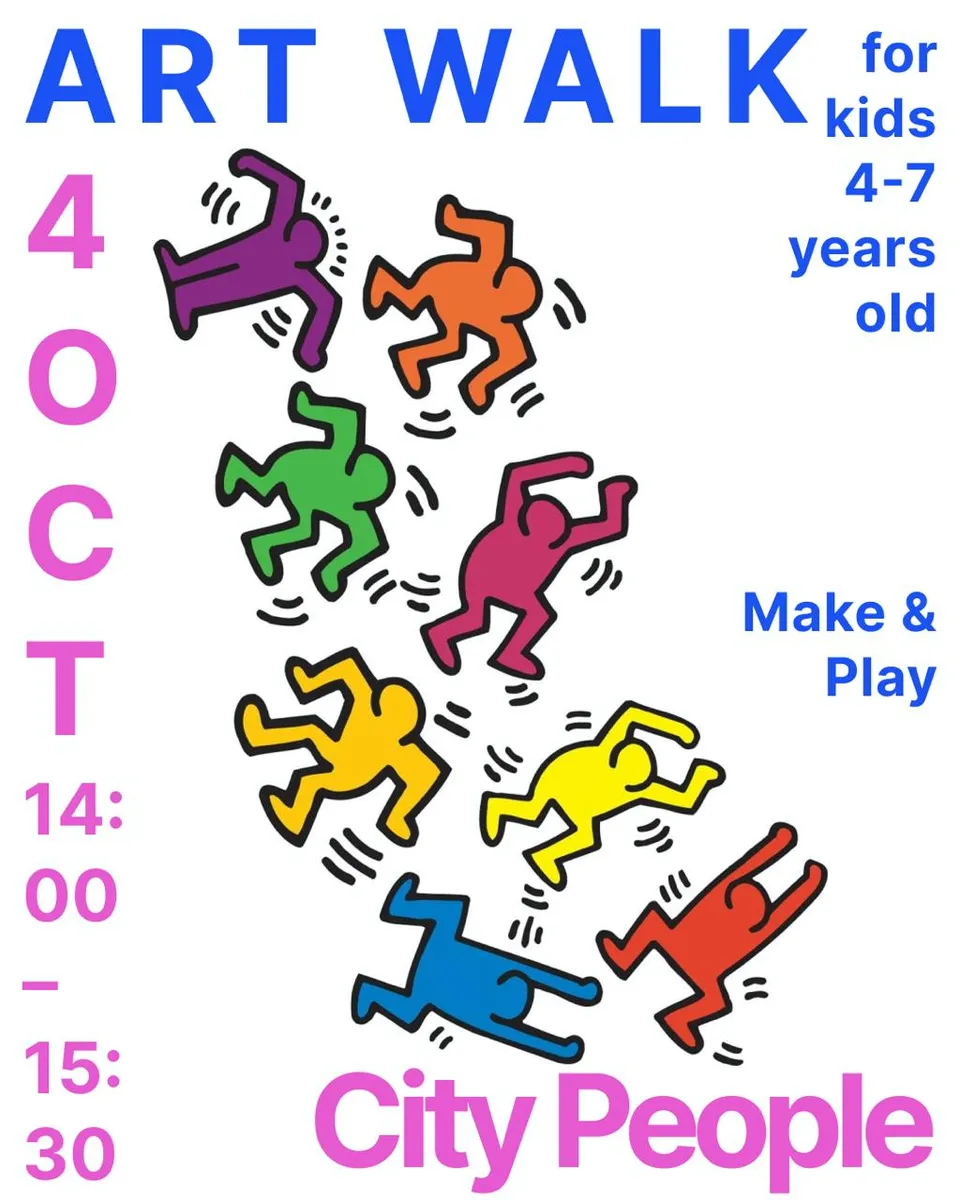
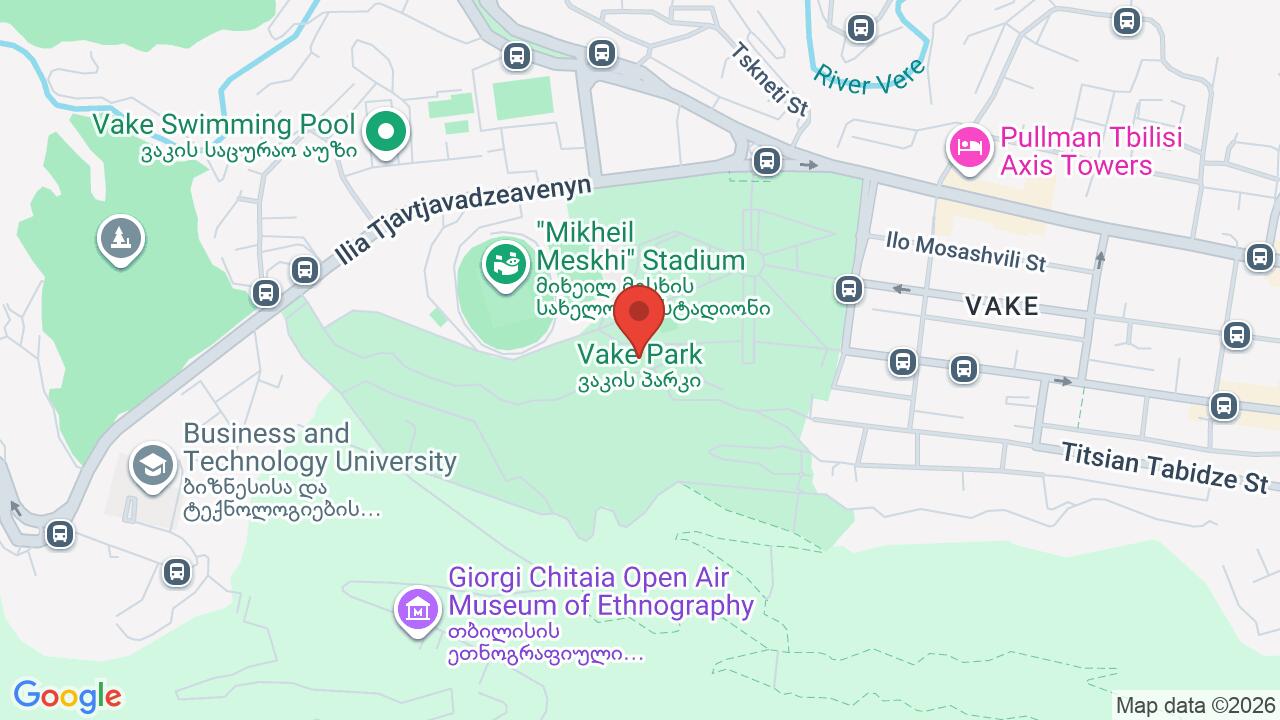
Organizator: Walk adventures - арт прогулки Spacer i twórcze warsztaty dla dzieci: obserwacja przechodniów w parku, szybkie szkice, nietypowa technika rysowania na przezroczystej folii oraz stworzenie dużej figurki mieszkańca miasta z różnych materiałów. Na koniec postacie otrzymują imiona i historie. To ogłoszenie zostało znalezione i opublikowane przez redaktorów KiddoDoo. Polub je, a poznamy wszystkie szczegóły i dokładny harmonogram. Wizerunek mieszkańca miasta 🧍♀️🏙️ Kto mieszka w mieście i czym ci ludzie różnią się od siebie? Podczas spaceru po Vake Park będziemy obserwować przechodniów: zauważać, jak się poruszają i ubierają, jakie mają fryzury, torebki, okulary i inne detale. Zrobimy szybkie szkice i spróbujemy niezwykłej techniki rysowania portretu na przezroczystej folii. Następnie każde dziecko złoży swojego wyimaginowanego mieszkańca miasta — dużą postać z kartonu, tkaniny, nici, papieru, drutu i innych materiałów. Można połączyć pozę jednego przechodnia, fryzurę innego, jaskrawą kurtkę trzeciego i dodać coś całkowicie wymyślonego. Na zakończenie postacie otrzymają imiona, charaktery i własne historie: gdzie idą, co lubią robić i co zawsze ze sobą noszą. Spacer skupia się na obserwacji ludzi, obrazie człowieka w mieście, wyobraźni i pracy z różnymi materiałami — od rzeczywistych detali wokół po własną postać. 🧝🏽♀️🧝🏻 Wiek: 4–7 lat 📅 4 października (niedziela) ⏰ 14:00–15:30 📍 Vake Park 💸 50 lari ✏️ Zapisy: telegram link Prowadząca: Ksenia – artystka interdyscyplinarna, pracująca na styku instalacji, performansu, assemblage, kostiumu i sztuk wizualnych, oraz nauczycielka.
Q&A:
Most questions are answered by the organizer, but community members can also answer.
Contacts
Kiddodoo MessagesSchedule & Booking:
We verified the schedule less than 24 hours ago. Book with confidence, guaranteed best price.
Skills & Interests
Capabilities for communication, understanding others, and coordinating within relationships and groups; excludes temperament labels and unpracticed moral claims.
more «Social and communication capacities» →What it is: Expression is the child's current need for an outlet for feelings, ideas, experiences, imagination, or identity. Why it matters: meeting it can help a child process experience, make themselves understood, exercise agency, and contribute something personally meaningful. When it rises: the child may have something they want to communicate, create, show, or embody without a suitable outlet. When it lowers: verbal, creative, musical, physical, dramatic, or symbolic expression may have helped meet the need. Why this is the same: these different forms belong together because each gives inner experience an outward form. Why this is different: Communication and Creativity are transferable abilities that can develop through expressive activities; they are not the child's current need for an outlet.
more «Expression» →What it is: Movement is the child's current need for physical action or an outlet for bodily energy. Why it matters: meeting it can support bodily comfort, regulation, attention, and readiness for other kinds of participation. When it rises: the body may have been still for too long or may have energy that needs an active outlet. When it lowers: active play, sport, walking, stretching, or another suitable opportunity may have helped meet the need. Why this is the same: wanting to run, move, stretch, or use the body points to the same need for physical action. Why this is different: Restlessness is an uncomfortable feeling that may accompany the need, while Challenge is a need for achievable difficulty rather than movement itself.
more «Movement» →Precise control of hands and fingers; includes manual dexterity.
more «Fine motor control» →Generating and developing original, useful ideas or expressions; includes applied imagination.
more «Creativity» →Where?
Run activities for kids?
Reach families who are a real match. Post your classes, camps and programs to the open catalog. Kiddodoo shows them to parents whose children are genuinely exploring what you offer, not just anyone within 5 km.
Get startedThis page is from the Kid-do-doo app. Install the app to see the details.
Parenting, made clearer — and less scattered
Understand what may be happening with your child — and find real-world ways to support the next step.
This page is from the Kid-do-doo app. Install the app to see the details.
Parenting, made clearer — and less scattered
Understand what may be happening with your child — and find real-world ways to support the next step.
Schedule:
We verified the schedule less than 24 hours ago. Book with confidence, guaranteed best price.