About
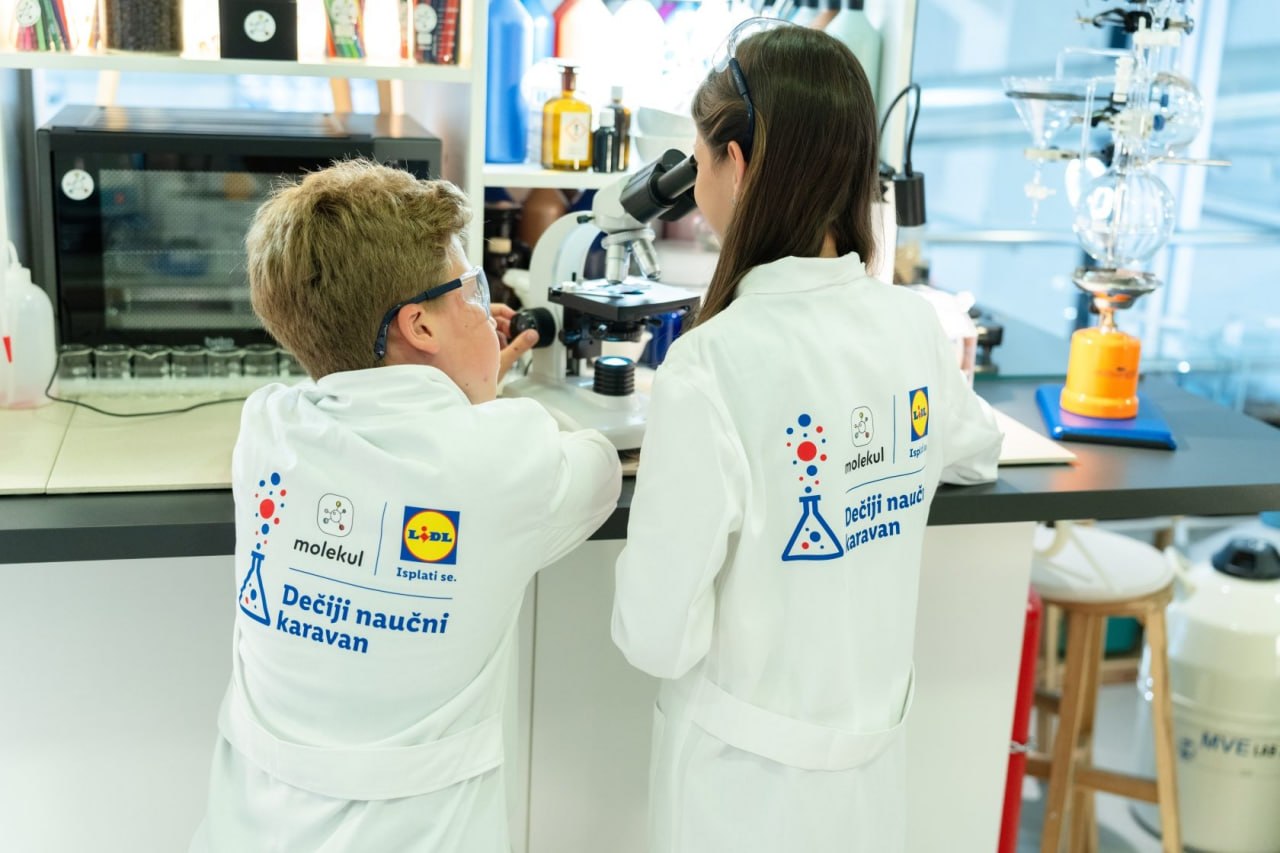
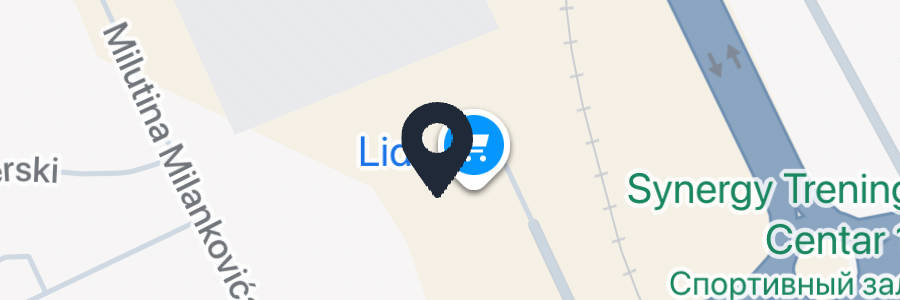
Organizator: Lidl Serbia и центр популяризации науки MoleKul Lidl Serbia we współpracy z centrum popularyzacji nauki MoleKul zorganizuje 17 lipca od godz. 10:00 dwa interaktywne warsztaty naukowe dla dzieci na parkingu przy sklepie w Nowym Sadzie. Warsztaty poświęcone są tematom zrównoważonego rozwoju: ochrona klimatu, bioróżnorodność, zanieczyszczenie wód, gospodarka o obiegu zamkniętym, marnowanie żywności i zdrowe odżywianie. Eksperymenty są zaprojektowane jako części spójnej opowieści, wyjaśniającej wpływ nawyków i wyborów na środowisko. To ogłoszenie zostało znalezione i opublikowane przez redaktorów KiddoDoo. Polub je, a poznamy wszystkie szczegóły i dokładny harmonogram. Lidl Serbia we współpracy z centrum popularyzacji nauki MoleKul zorganizuje 17 lipca od godz. 10:00 dwa interaktywne warsztaty naukowe dla dzieci na parkingu przy Lidlu. "Naukowy karawan dla dzieci" jest zorganizowany w formie mobilnej stacji, która odwiedzi 10 miast w Serbii do października. Na warsztatach, poprzez różne aktywności, dzieci zapoznają się z tematami zrównoważonego rozwoju, takimi jak ochrona klimatu, bioróżnorodność, zanieczyszczenie wód, gospodarka o obiegu zamkniętym, odpady żywnościowe i zdrowe odżywianie, oraz zyskają jasne wyobrażenie o tym, jak ich nawyki, wybory i zachowania bezpośrednio wpływają na środowisko. Wszystkie eksperymenty są powiązane i zaprojektowane jako części spójnej opowieści łączącej naukę, przyrodę i codzienne życie. ▶️ Harmonogram Karawanu Naukowego według miast: link 📍 Lokalizacja w Nowym Sadzie: Bulevar Vojvode Stepe, 2 (link)
Q&A:
Most questions are answered by the organizer, but community members can also answer.
Contacts
Kiddodoo MessagesSchedule & Booking:
We verified the schedule less than 24 hours ago. Book with confidence, guaranteed best price.
Skills & Interests
Сhildren explore science through hands-on experience: observing, mixing, testing hypotheses, and discovering cause-and-effect relationships. They satisfy children’s natural curiosity, develop logical thinking and fine motor skills, and show that science can be practical, understandable, and engaging.
more «lab experiments» →Although biology is not usually taught as a separate subject in primary school, children are often fascinated by biologists’ stories, learning to observe the microworld through a microscope and to recognize different species of plants and animals, learning secrets about everything. Adding biology elements to walks, activities, and experiments is not only engaging, but also helps spark a lasting interest in the natural sciences.
more «biology» →Organized activities in which children and caregivers participate together, such as crafts, games, quests, movement, or family camps. The defining element is shared participation and relationship time, not a particular subject.
more «familytime» →Science, Technology, Engineering, Mechanics — practical exploration of engineering thinking and creative construction. Children experiment, design and build structures, test their ideas, and learn how simple mechanisms and processes work. These activities develop logical thinking, focus and perseverance, as well as spatial imagination.
more «stem» →Activities that help participants become aware of their connection with nature, develop a mindful and respectful attitude toward it, take part in environmental initiatives, and gain a deeper understanding of natural ecosystems and how modern technologies can contribute to their preservation.
more «ecology» →Play-based activities designed to teach knowledge or skills through challenges, experiments, stories, or interactive tasks. The learning goal is built into the game rather than presented as a separate lesson.
more «edutainment» →Where?
Run activities for kids?
Reach families who are a real match. Post your classes, camps and programs to the open catalog. Kiddodoo shows them to parents whose children are genuinely exploring what you offer, not just anyone within 5 km.
Get startedThis page is from the Kid-do-doo app. Install the app to see the details.
Parenting, made clearer — and less scattered
Understand what may be happening with your child — and find real-world ways to support the next step.
This page is from the Kid-do-doo app. Install the app to see the details.
Parenting, made clearer — and less scattered
Understand what may be happening with your child — and find real-world ways to support the next step.
Schedule:
We verified the schedule less than 24 hours ago. Book with confidence, guaranteed best price.