Empathy — Georgia


About
Organizer: Frame An evening psychological seminar on neurodiversity, perceptual differences, and ways to understand and support neurodivergent people. Speaker: journalist and blogger Liza Werner, an autistic adult. Entry by donation; all donations go to support Chognari Dogs shelter. This announcement was found and posted by KiddoDoo editors. Like it and we will find out all the details and exact schedule. On Thursday evening, October 15, at 19:00 we invite you to a psychological seminar on neurodiversity, differences in perception of the world, and how to better understand and support each other. Why do some people easily make friends while others don't fit into any group? Why can one person cope with routine tasks while another cannot even wash a plate? Why do many people treat depression, anxiety and burnout unsuccessfully for years without suspecting that the problem lies elsewhere? In the session we will: • Figure out what ASD and ADHD are, how they manifest and why they have become much more noticeable in recent years. • Debunk myths about neurodiversity. • Talk about the problems neurodivergent people face. • Learn how to understand and support them. We invite everyone who wants to learn to understand their neurodivergent friends, relatives and colleagues, as well as to understand themselves and learn something new about those who are often considered "strange" and "not of this world". Evening hosted by Liza Werner (instagram link), journalist, blogger and an autistic adult. All collected donations will go to support the Chognari Dogs shelter. (instagram link) 🗓 October 15, 19:00. 📍Betlemi, 23. (link) Entry — any donation. Register in the bot. (telegram link) Support us (telegram link)
Q&A:
Most questions are answered by the organizer, but community members can also answer.
Contacts
Kiddodoo MessagesSchedule & Booking:
We verified the schedule less than 24 hours ago. Book with confidence, guaranteed best price.
Skills & Interests
Managing emotional responses constructively; not suppressing emotion or controlling every impulse.
more «Emotional regulation» →Capabilities for communication, understanding others, and coordinating within relationships and groups; excludes temperament labels and unpracticed moral claims.
more «Social and communication capacities» →Engaging fairly with people and perspectives different from one's own; not automatic agreement or empathy alone.
more «Respect for differences» →Capabilities for understanding and directing one's emotions, behavior, effort, and goals; excludes task reasoning and skills centered on relationships with others.
more «Self-awareness and self-management» →Playful early-childhood activities combining movement, sensory exploration, coordination, attention, or simple memory games. This tag describes educational play and must not be used for neurological diagnosis, rehabilitation, or therapy.
more «neurodevelopment» →Activities designed to help children express and understand their emotions in a safe, caring atmosphere. With guidance from a trained psychologist, they explore creative ways to cope with stress, build self-confidence, and feel understood.
more «psy_support» →Where?

Run activities for kids?
Reach families who are a real match. Post your classes, camps and programs to the open catalog. Kiddodoo shows them to parents whose children are genuinely exploring what you offer, not just anyone within 5 km.
Get startedThis page is from the Kid-do-doo app. Install the app to see the details.
Parenting, made clearer — and less scattered
Understand what may be happening with your child — and find real-world ways to support the next step.
This page is from the Kid-do-doo app. Install the app to see the details.
Parenting, made clearer — and less scattered
Understand what may be happening with your child — and find real-world ways to support the next step.
Schedule:
We verified the schedule less than 24 hours ago. Book with confidence, guaranteed best price.

About
Organizer: EffiCenter_Batumi A practical lecture for parents on the laws of upbringing: discussions, practical exercises and answers to your questions. Recommended for parents whose children have tantrums, refuse to study, or break agreements. Free entry with registration. This announcement was found and posted by KiddoDoo editors. Like it and we will find out all the details and exact schedule. LECTURE FOR PARENTS "THE MAGICAL LAW OF UPBRINGING" #free_of_charge IF YOUR CHILD: ❌️Has tantrums and acts capriciously ❌Doesn't want to study or help with housework ❌Breaks agreements and even lies AND YOU: ▪️Lose your temper with the child ▪️Don't know how to negotiate with them ▪️Are upset that you are not the perfect mom Come to a meeting with a practicing educator! More than 40 years of experience working with children, two higher pedagogical degrees, hundreds of successful cases. Each meeting is a discussion of the laws of upbringing, practical trainings, and answers to your questions! When: Saturday, September 26 What time: 13:00 Where: Batumi, Demetre Tavdadebuli St., 62 (white gate) Free entry with registration at telegram link
Q&A:
Most questions are answered by the organizer, but community members can also answer.
Contacts
Kiddodoo MessagesSchedule & Booking:
We verified the schedule less than 24 hours ago. Book with confidence, guaranteed best price.
Skills & Interests
Managing emotional responses constructively; not suppressing emotion or controlling every impulse.
more «Emotional regulation» →Reaching workable agreements across differing needs through dialogue and compromise; includes conflict resolution.
more «Constructive negotiation» →What it is: Anger is an activated feeling in response to a perceived wrong, threat, or crossed boundary. Why it matters: it can tell a child and nearby adults that protection, fairness, or a boundary needs attention; the feeling can be acknowledged while behaviour remains safe. When it rises: intensity and the urge to protest or confront may grow. When it lowers: the boundary may feel heard, protected, or repaired; lowering does not mean forced compliance. Why this is the same: irritation belongs here when a perceived wrong or crossed boundary is central. Why this is different: Frustration is driven mainly by an obstacle, while aggression is behaviour rather than a feeling.
more «Anger» →Expressing and receiving meaning appropriately; includes speaking and active listening.
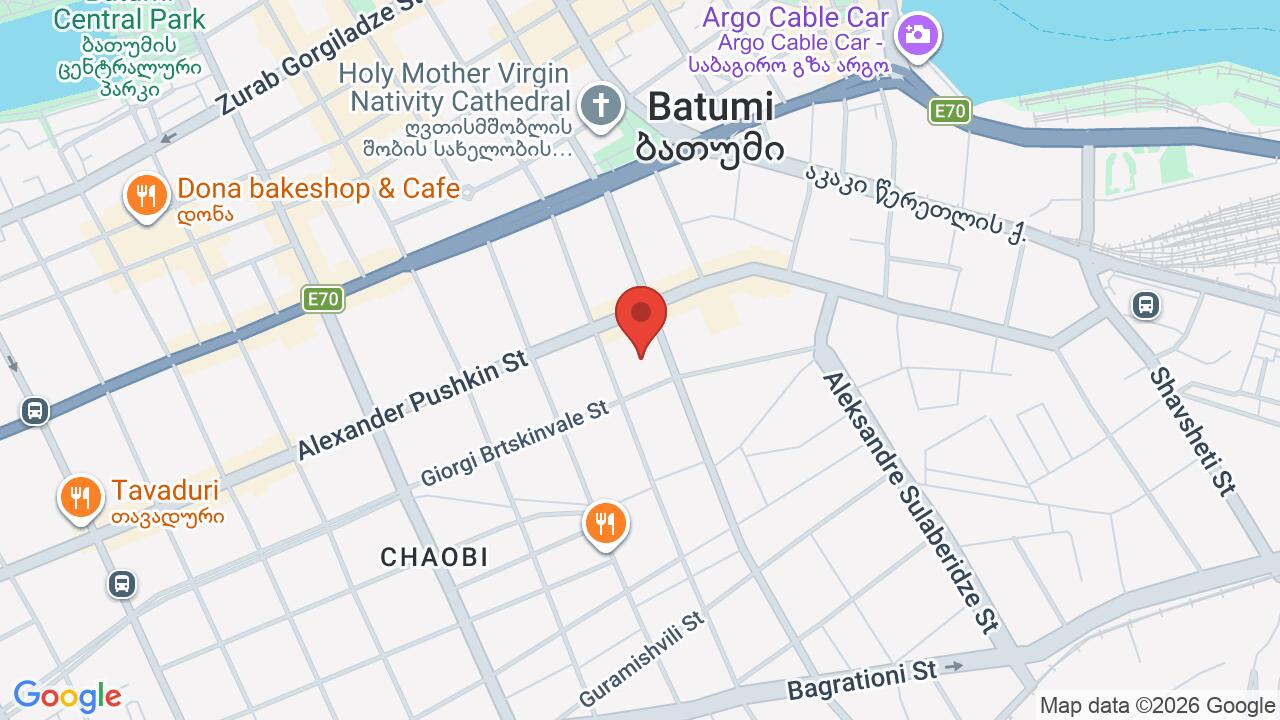
more «Communication» →Where?
Run activities for kids?
Reach families who are a real match. Post your classes, camps and programs to the open catalog. Kiddodoo shows them to parents whose children are genuinely exploring what you offer, not just anyone within 5 km.
Get startedThis page is from the Kid-do-doo app. Install the app to see the details.
Parenting, made clearer — and less scattered
Understand what may be happening with your child — and find real-world ways to support the next step.
This page is from the Kid-do-doo app. Install the app to see the details.
Parenting, made clearer — and less scattered
Understand what may be happening with your child — and find real-world ways to support the next step.
Schedule:
We verified the schedule less than 24 hours ago. Book with confidence, guaranteed best price.

About
Organizer: Frame Open lesson on 26 September at 17:00 with Maria Maricheva about behavioral-therapy practices to improve communication. It will cover assertive communication, transactional analysis, cognitive-behavioral theory and nonviolent communication, and offer simple group practices for a safe social experience. Entry — any donation; register via the bot. This announcement was found and posted by KiddoDoo editors. Like it and we will find out all the details and exact schedule. Soon! On Saturday evening, 26 September, we invite you to an open lesson where you will learn concrete lifehacks from the experience and theory of behavioral therapy. We'll talk about how to make communication more effective, easier and more pleasant for yourself and others. We are becoming more autonomous. You no longer need family, community, friends to survive. But in migration it seems not quite the same. And even if it is, this autonomy causes loneliness, depressive states, and it turns out that survival alone may be possible and easier, but together is more fun and much easier. Socialization is a separate word we use in migration, because here it turns out you need to take necessary actions to find friends and meet people. A quote from the evening speaker Maria: "We were never taught to communicate deliberately, although I believe this can be taught in school — as a behavioral therapist and someone who worked with autistic children, developing nonverbal communication even without words. The main thing I want to teach you in the class is how to get joy and resources from communication, as it should be. To understand the attitudes that hinder it. To get a new safe experience of communication in a group. To see people and present yourself. Even if it is scary and anxious, these are skills that can be learned with a competent approach." Also on Saturday we will learn the maximum of integrative theory from different approaches, from assertive communication to transactional analysis, cognitive-behavioral theory and nonviolent communication, so that these models help you make your own communication with people more pleasant and effective. Come to learn and try simple practices on how to communicate with joy! The evening will be led by Maria Maricheva (instagram link), psychotherapist working in the CBT approach. 🗓 26 September, 17:00. 📍 Betlemi, 23. (link) Entry — any donation. Register in the bot. (telegram link) Support us (telegram link)
Q&A:
Most questions are answered by the organizer, but community members can also answer.
Contacts
Kiddodoo MessagesSchedule & Booking:
We verified the schedule less than 24 hours ago. Book with confidence, guaranteed best price.
Skills & Interests
Relationships and Health Education covers content taught within England's standard general-education curriculum. The tag also applies to home, online, or private tutoring when it follows that curriculum; extracurricular and specialist content outside it is excluded.
more «Relationships and Health Education» →Capabilities for communication, understanding others, and coordinating within relationships and groups; excludes temperament labels and unpracticed moral claims.
more «Social and communication capacities» →Managing emotional responses constructively; not suppressing emotion or controlling every impulse.
more «Emotional regulation» →What it is: Loneliness is the painful feeling of not being sufficiently connected, included, or understood, whether the child is alone or among other people. Why it matters: it can point to a wish for meaningful contact and belonging, not merely more people nearby. When it rises: the child may feel increasingly left out, unseen, or emotionally apart. When it lowers: responsive contact, shared experience, or belonging may make connection feel more available. Why this is the same: feeling left out or isolated belongs here when the disconnection is unwanted. Why this is different: Personal space is chosen reduced contact, while Sadness is broader emotional pain that may have another cause.
more «Loneliness» →Current needs for choice, achievable difficulty, and an outlet for self-expression. Includes Choice, Challenge, and Expression. Excludes enduring abilities such as confidence, resilience, independence, creativity, and communication; personality or temperament labels; performance outcomes; and pressure to achieve. Why it matters: meaningful choice, achievable challenge, and opportunities for expression can support engagement and a sense of competence and ownership in the child's experience. Boundary rule: terms are included together when they point to the same thing the child currently seeks or lacks; a nearby concept stays separate when it is a feeling, a developable ability, or a different need. Activity direction: +1 or +2 means this need may become stronger or remain less met; −1 or −2 means the activity may help meet it and therefore reduce it. A magnitude of 2 is a stronger theoretical direction than 1, not a measurement or guarantee for an individual child.
more «Agency and growth» →Expressing and receiving meaning appropriately; includes speaking and active listening.
more «Communication» →Expressing needs, ideas, and boundaries clearly while respecting others; not aggression or confidence alone.
more «Assertiveness» →Where?
Run activities for kids?
Reach families who are a real match. Post your classes, camps and programs to the open catalog. Kiddodoo shows them to parents whose children are genuinely exploring what you offer, not just anyone within 5 km.
Get startedThis page is from the Kid-do-doo app. Install the app to see the details.
Parenting, made clearer — and less scattered
Understand what may be happening with your child — and find real-world ways to support the next step.
This page is from the Kid-do-doo app. Install the app to see the details.
Parenting, made clearer — and less scattered
Understand what may be happening with your child — and find real-world ways to support the next step.
Schedule:
We verified the schedule less than 24 hours ago. Book with confidence, guaranteed best price.