Agency and growth — Georgia


About
Organizer: Frame Open lesson on 26 September at 17:00 with Maria Maricheva about behavioral-therapy practices to improve communication. It will cover assertive communication, transactional analysis, cognitive-behavioral theory and nonviolent communication, and offer simple group practices for a safe social experience. Entry — any donation; register via the bot. This announcement was found and posted by KiddoDoo editors. Like it and we will find out all the details and exact schedule. Soon! On Saturday evening, 26 September, we invite you to an open lesson where you will learn concrete lifehacks from the experience and theory of behavioral therapy. We'll talk about how to make communication more effective, easier and more pleasant for yourself and others. We are becoming more autonomous. You no longer need family, community, friends to survive. But in migration it seems not quite the same. And even if it is, this autonomy causes loneliness, depressive states, and it turns out that survival alone may be possible and easier, but together is more fun and much easier. Socialization is a separate word we use in migration, because here it turns out you need to take necessary actions to find friends and meet people. A quote from the evening speaker Maria: "We were never taught to communicate deliberately, although I believe this can be taught in school — as a behavioral therapist and someone who worked with autistic children, developing nonverbal communication even without words. The main thing I want to teach you in the class is how to get joy and resources from communication, as it should be. To understand the attitudes that hinder it. To get a new safe experience of communication in a group. To see people and present yourself. Even if it is scary and anxious, these are skills that can be learned with a competent approach." Also on Saturday we will learn the maximum of integrative theory from different approaches, from assertive communication to transactional analysis, cognitive-behavioral theory and nonviolent communication, so that these models help you make your own communication with people more pleasant and effective. Come to learn and try simple practices on how to communicate with joy! The evening will be led by Maria Maricheva (instagram link), psychotherapist working in the CBT approach. 🗓 26 September, 17:00. 📍 Betlemi, 23. (link) Entry — any donation. Register in the bot. (telegram link) Support us (telegram link)
Q&A:
Most questions are answered by the organizer, but community members can also answer.
Contacts
Kiddodoo MessagesSchedule & Booking:
We verified the schedule less than 24 hours ago. Book with confidence, guaranteed best price.
Skills & Interests
Relationships and Health Education covers content taught within England's standard general-education curriculum. The tag also applies to home, online, or private tutoring when it follows that curriculum; extracurricular and specialist content outside it is excluded.
more «Relationships and Health Education» →Capabilities for communication, understanding others, and coordinating within relationships and groups; excludes temperament labels and unpracticed moral claims.
more «Social and communication capacities» →Managing emotional responses constructively; not suppressing emotion or controlling every impulse.
more «Emotional regulation» →What it is: Loneliness is the painful feeling of not being sufficiently connected, included, or understood, whether the child is alone or among other people. Why it matters: it can point to a wish for meaningful contact and belonging, not merely more people nearby. When it rises: the child may feel increasingly left out, unseen, or emotionally apart. When it lowers: responsive contact, shared experience, or belonging may make connection feel more available. Why this is the same: feeling left out or isolated belongs here when the disconnection is unwanted. Why this is different: Personal space is chosen reduced contact, while Sadness is broader emotional pain that may have another cause.
more «Loneliness» →Current needs for choice, achievable difficulty, and an outlet for self-expression. Includes Choice, Challenge, and Expression. Excludes enduring abilities such as confidence, resilience, independence, creativity, and communication; personality or temperament labels; performance outcomes; and pressure to achieve. Why it matters: meaningful choice, achievable challenge, and opportunities for expression can support engagement and a sense of competence and ownership in the child's experience. Boundary rule: terms are included together when they point to the same thing the child currently seeks or lacks; a nearby concept stays separate when it is a feeling, a developable ability, or a different need. Activity direction: +1 or +2 means this need may become stronger or remain less met; −1 or −2 means the activity may help meet it and therefore reduce it. A magnitude of 2 is a stronger theoretical direction than 1, not a measurement or guarantee for an individual child.
more «Agency and growth» →Expressing and receiving meaning appropriately; includes speaking and active listening.
more «Communication» →Expressing needs, ideas, and boundaries clearly while respecting others; not aggression or confidence alone.
more «Assertiveness» →Where?

Run activities for kids?
Reach families who are a real match. Post your classes, camps and programs to the open catalog. Kiddodoo shows them to parents whose children are genuinely exploring what you offer, not just anyone within 5 km.
Get startedThis page is from the Kid-do-doo app. Install the app to see the details.
Parenting, made clearer — and less scattered
Understand what may be happening with your child — and find real-world ways to support the next step.
This page is from the Kid-do-doo app. Install the app to see the details.
Parenting, made clearer — and less scattered
Understand what may be happening with your child — and find real-world ways to support the next step.
Schedule:
We verified the schedule less than 24 hours ago. Book with confidence, guaranteed best price.


About
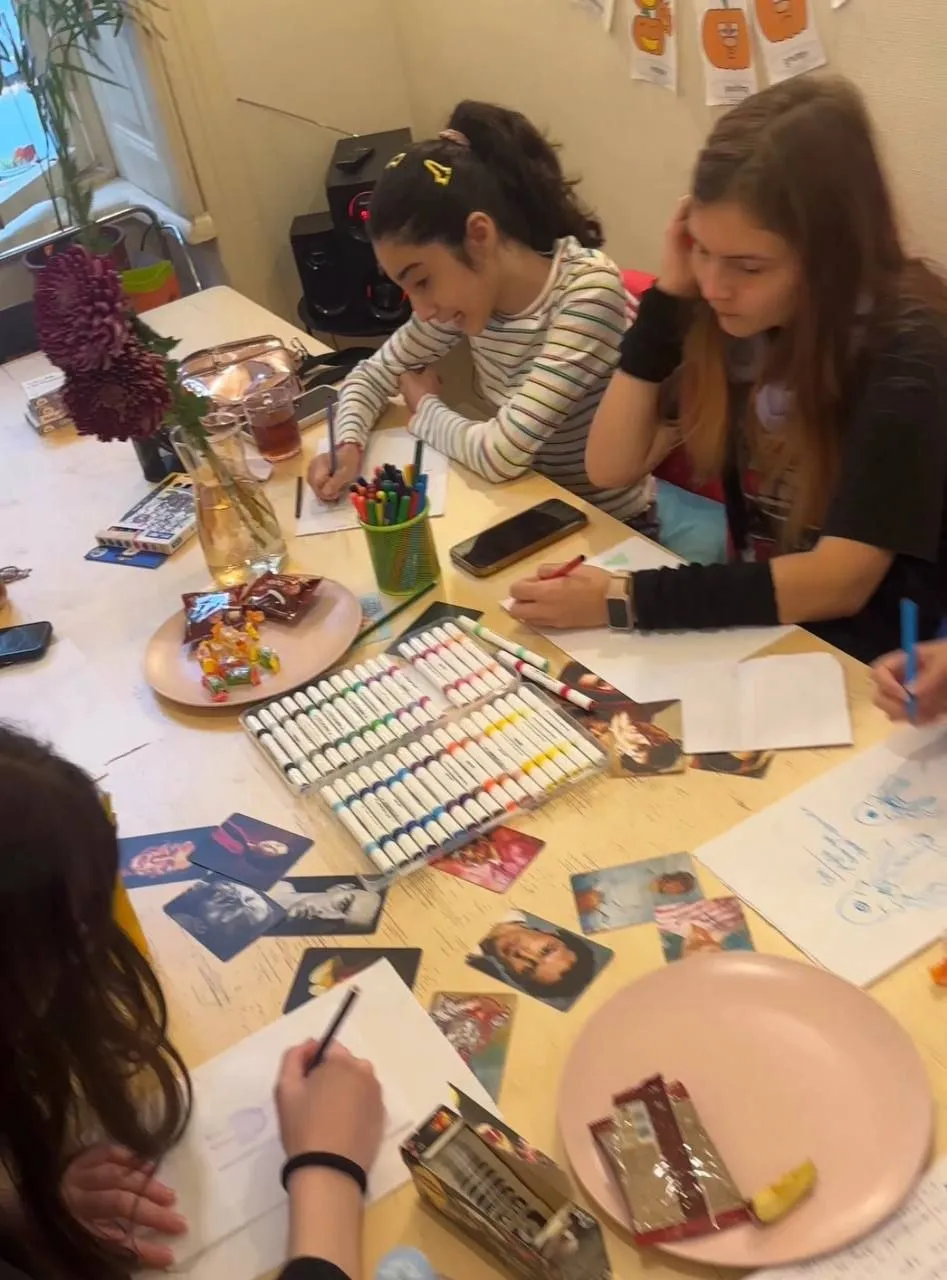
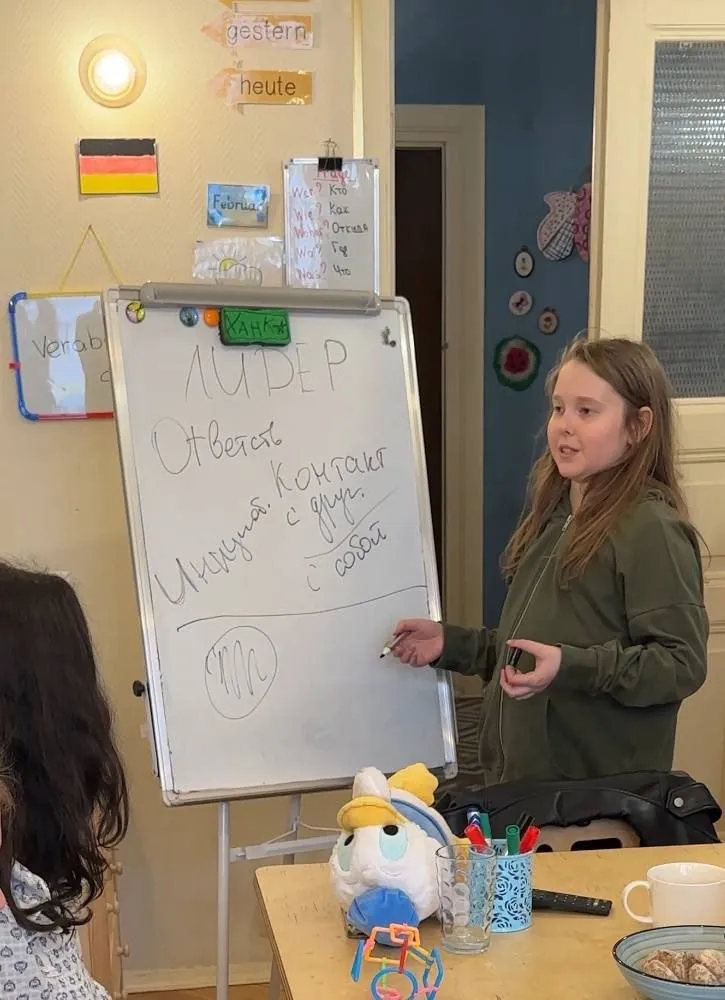
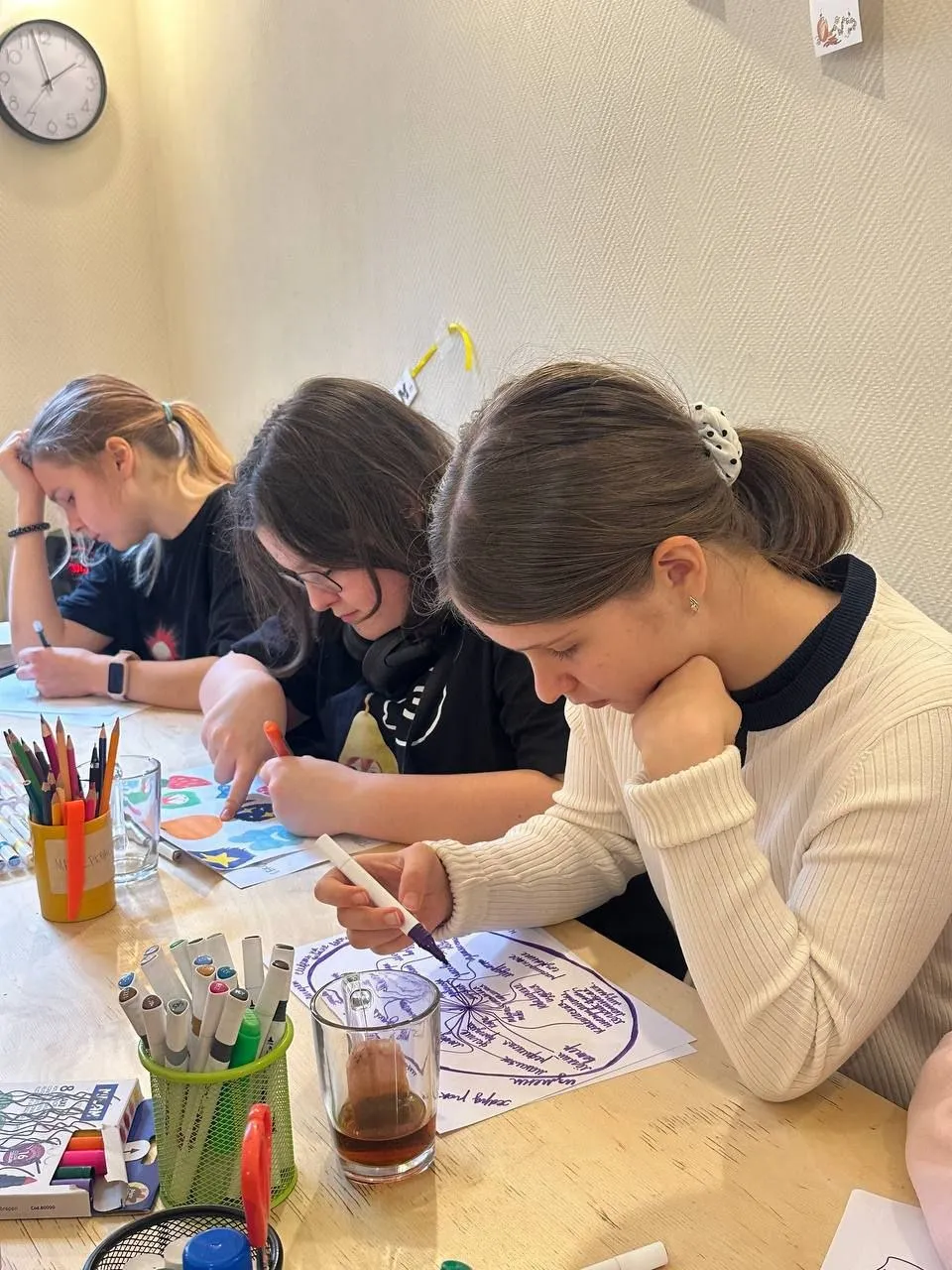
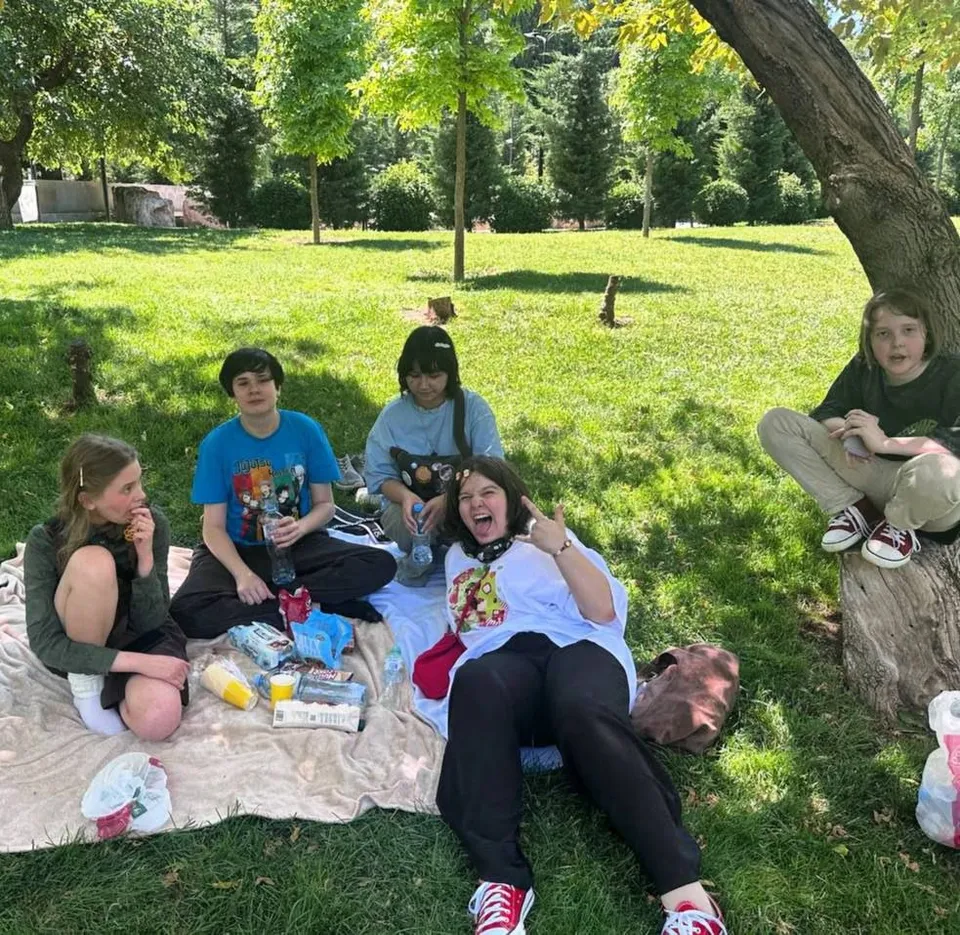
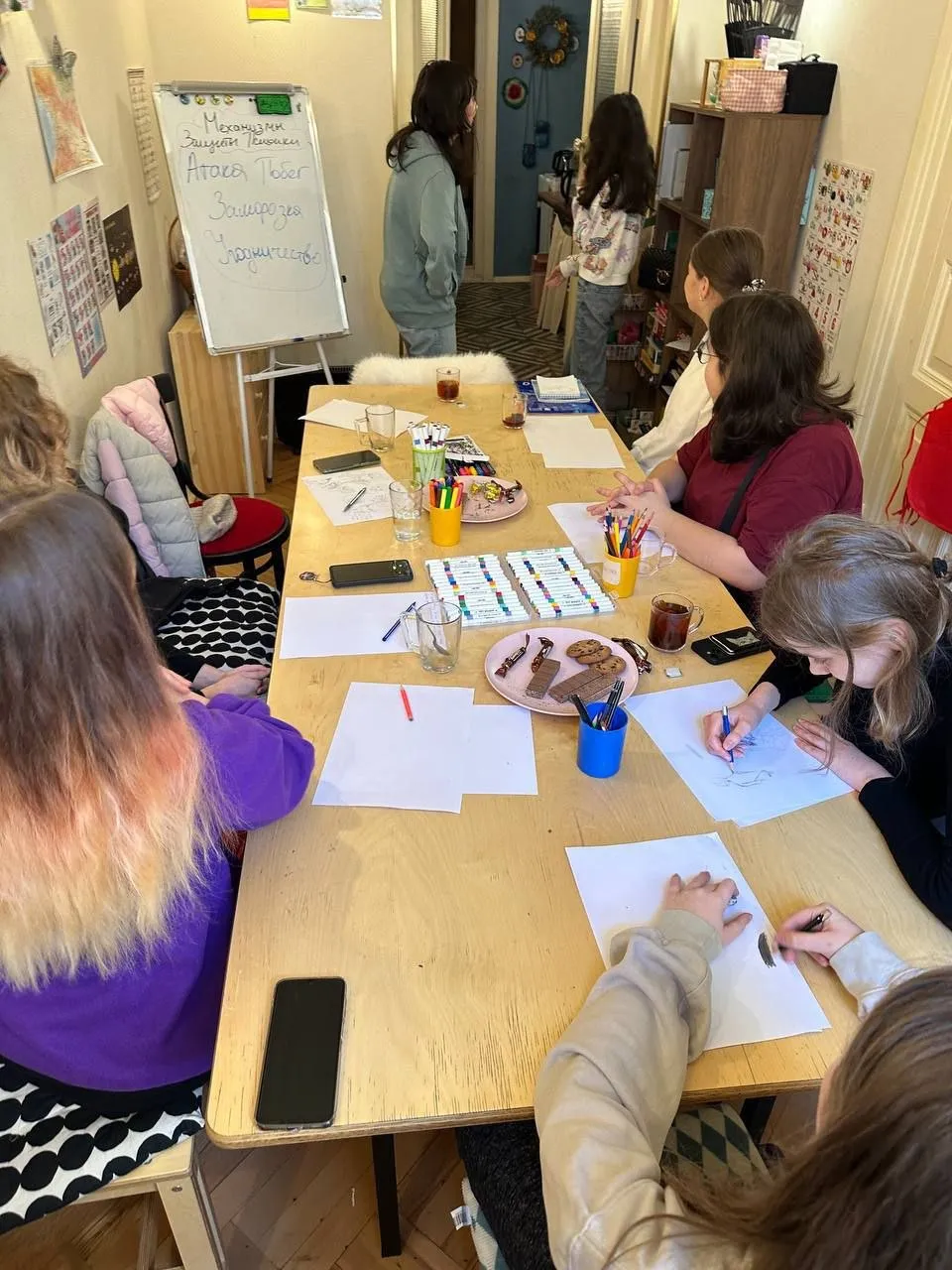
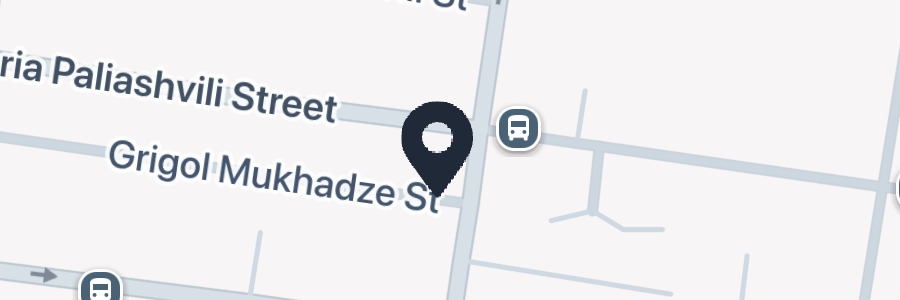
Organizer: Школа Шаги An offline club for teens 12–16: a space for communication, self-discovery and building psychological resilience. Meetings include psychological games, talks about boundaries and emotions, art practices, self-regulation and group activities. Upcoming meetings: 30 August 2026, 12:00; 30 August 2026, 12:30; 6 September 2026, 12:30; 13 September 2026, 12:30; 20 September 2026, 12:30; trial session costs 20 GEL. This announcement was found and posted by KiddoDoo editors. Like it and we will find out all the details and exact schedule. 💫 “Personality Lab” starts at “Shagi” — an offline club for teenagers 12–16 years old. This is a space for communication, self-discovery and building psychological resilience — without grades, lectures or the need to be “convenient.” At meetings: 🎲 psychological games and board games; 💬 conversations about personal boundaries, emotions, self-confidence and the ability to say “no”; 🎨 art practices, clay modeling and collages; 🧘 self-regulation exercises and exploration of personal strengths; 🌿 film evenings, picnics, exhibitions and other joint activities. And, of course, tea, cocoa and treats at every meeting ☕️ 📍 Vake, Paliashvili St., 84 — educational center “Shagi” 🗓 30 August 2026, 12:00; 30 August 2026, 12:30; 6 September 2026, 12:30; 13 September 2026, 12:30; 20 September 2026, 12:30; 4 October 2026, 12:30; 11 October 2026, 12:30; 18 October 2026, 12:30; 25 October 2026, 12:30 👥 Groups up to 8–10 people 🔥 Trial meeting — 20 lari Registration and questions: Telegram telegram link Instagram instagram link
Q&A:
Most questions are answered by the organizer, but community members can also answer.
Contacts
Kiddodoo MessagesSchedule & Booking:
We verified the schedule less than 24 hours ago. Book with confidence, guaranteed best price.
Skills & Interests
Recognizing one's emotions, strengths, needs, and reactions; not body awareness.
more «Self-awareness» →Current needs for choice, achievable difficulty, and an outlet for self-expression. Includes Choice, Challenge, and Expression. Excludes enduring abilities such as confidence, resilience, independence, creativity, and communication; personality or temperament labels; performance outcomes; and pressure to achieve. Why it matters: meaningful choice, achievable challenge, and opportunities for expression can support engagement and a sense of competence and ownership in the child's experience. Boundary rule: terms are included together when they point to the same thing the child currently seeks or lacks; a nearby concept stays separate when it is a feeling, a developable ability, or a different need. Activity direction: +1 or +2 means this need may become stronger or remain less met; −1 or −2 means the activity may help meet it and therefore reduce it. A magnitude of 2 is a stronger theoretical direction than 1, not a measurement or guarantee for an individual child.
more «Agency and growth» →Activities aimed at developing soft skills and emotional intelligence, while meeting the need for social connection — a fundamental human need that becomes increasingly important from around age two or three. Social interaction is not just about having fun: learning to enjoy connecting with others is an important contributor to overall well-being and to feeling more comfortable and confident socially later on.
more «social development» →Where?
Run activities for kids?
Reach families who are a real match. Post your classes, camps and programs to the open catalog. Kiddodoo shows them to parents whose children are genuinely exploring what you offer, not just anyone within 5 km.
Get startedThis page is from the Kid-do-doo app. Install the app to see the details.
Parenting, made clearer — and less scattered
Understand what may be happening with your child — and find real-world ways to support the next step.
This page is from the Kid-do-doo app. Install the app to see the details.
Parenting, made clearer — and less scattered
Understand what may be happening with your child — and find real-world ways to support the next step.
Schedule:
We verified the schedule less than 24 hours ago. Book with confidence, guaranteed best price.