Researchers' Night: Hidden Link Between Plants and Stones ✨🔬
No photos addedResearchers' Night: Hidden Link Between Plants and Stones ✨🔬


About
Organizer: Музей естествознания на Калемегдане (Prirodnjački muzej / Natural History Museum) An interactive exhibition at the Natural History Museum on Kalemegdan for the European Researchers' Night. Visitors can view plant sections under microscopes, test soil and mineral pH, and see zircon fluorescence under UV lamps; geologists will explain how rocks influence plant life. Free entry. This announcement was found and posted by KiddoDoo editors. Like it and we will find out all the details and exact schedule. Tomorrow at the museum as part of the European Researchers' Night (telegram link) there will be an event dedicated to the hidden link between plants and stones.🌿🪨 At the interactive exhibition visitors will be able to peer into the invisible micro-world with professional instruments. The evening’s program includes observations of plant sections under microscopes, hands-on testing of the pH level of soil and minerals, and a demonstration of unusual zircon fluorescence under ultraviolet lamps. Geologists will explain how rock types and soil composition influence plant life and help scientists determine the age of rocks. Entrance and participation in all programs are free.💜
Q&A:
Most questions are answered by the organizer, but community members can also answer.
Contacts
Kiddodoo MessagesSchedule & Booking:
We verified the schedule less than 24 hours ago. Book with confidence, guaranteed best price.
Skills & Interests
Сhildren explore science through hands-on experience: observing, mixing, testing hypotheses, and discovering cause-and-effect relationships. They satisfy children’s natural curiosity, develop logical thinking and fine motor skills, and show that science can be practical, understandable, and engaging.
more «lab experiments» →Although biology is not usually taught as a separate subject in primary school, children are often fascinated by biologists’ stories, learning to observe the microworld through a microscope and to recognize different species of plants and animals, learning secrets about everything. Adding biology elements to walks, activities, and experiments is not only engaging, but also helps spark a lasting interest in the natural sciences.
more «biology» →Organized activities in which children and caregivers participate together, such as crafts, games, quests, movement, or family camps. The defining element is shared participation and relationship time, not a particular subject.
more «familytime» →Science, Technology, Engineering, Mechanics — practical exploration of engineering thinking and creative construction. Children experiment, design and build structures, test their ideas, and learn how simple mechanisms and processes work. These activities develop logical thinking, focus and perseverance, as well as spatial imagination.
more «stem» →Activities that help participants become aware of their connection with nature, develop a mindful and respectful attitude toward it, take part in environmental initiatives, and gain a deeper understanding of natural ecosystems and how modern technologies can contribute to their preservation.
more «ecology» →Play-based activities designed to teach knowledge or skills through challenges, experiments, stories, or interactive tasks. The learning goal is built into the game rather than presented as a separate lesson.
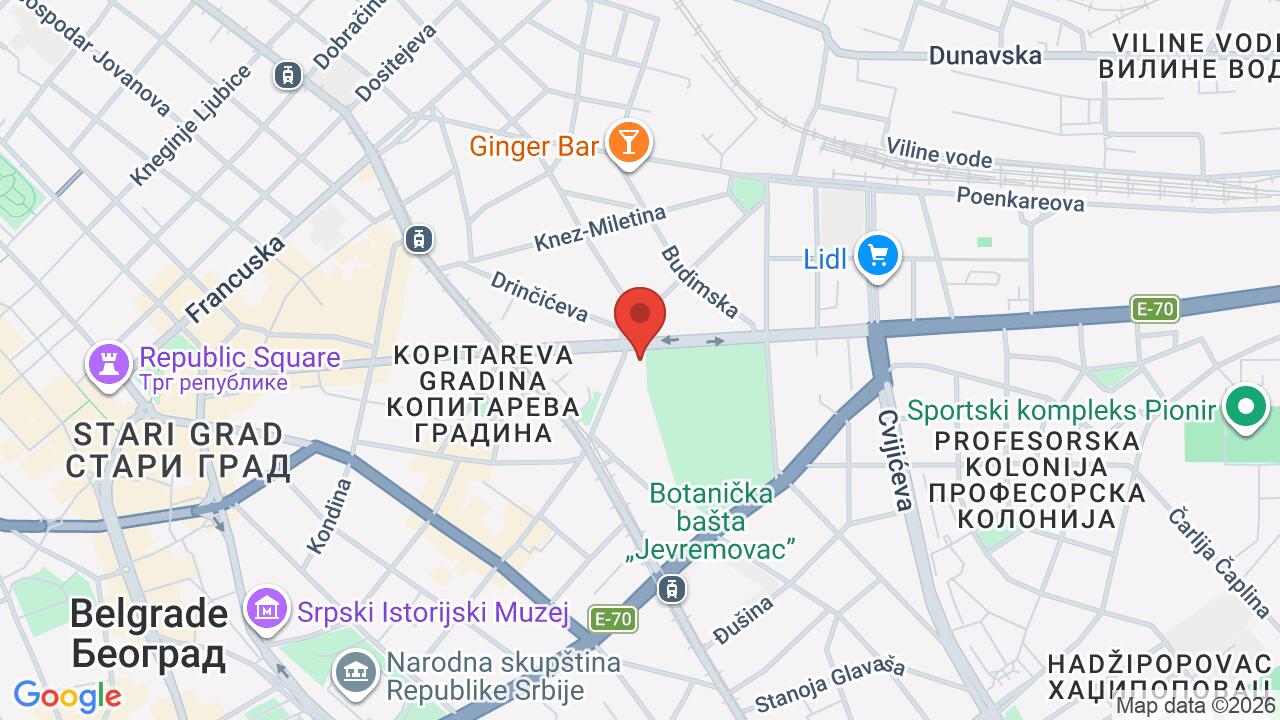
more «edutainment» →Where?
Run activities for kids?
Reach families who are a real match. Post your classes, camps and programs to the open catalog. Kiddodoo shows them to parents whose children are genuinely exploring what you offer, not just anyone within 5 km.
Get startedThis page is from the Kid-do-doo app. Install the app to see the details.
Parenting, made clearer — and less scattered
Understand what may be happening with your child — and find real-world ways to support the next step.
This page is from the Kid-do-doo app. Install the app to see the details.
Parenting, made clearer — and less scattered
Understand what may be happening with your child — and find real-world ways to support the next step.
Schedule:
We verified the schedule less than 24 hours ago. Book with confidence, guaranteed best price.