Nacht van de Onderzoekers: Verborgen verband tussen planten en stenen ✨🔬
No photos addedNacht van de Onderzoekers: Verborgen verband tussen planten en stenen ✨🔬


About
Organisator: Музей естествознания на Калемегдане (Prirodnjački muzej / Natural History Museum) Een interactieve tentoonstelling in het Natuurhistorisch Museum op Kalemegdan in het kader van de Europese Nacht van Onderzoekers. Bezoekers kunnen plantendwarsdoorsneden onder microscopen bekijken, de pH van bodem en mineralen testen en de fluorescentie van zirkoon onder UV-lampen zien; geologen leggen uit hoe gesteenten het plantenleven beïnvloeden. Gratis toegang. Deze aankondiging is gevonden en geplaatst door de redacteurs van KiddoDoo. Like het en we zoeken alle details en het exacte schema voor je uit. Morgen in het museum, als onderdeel van de Europese Nacht van Onderzoekers (telegram link), vindt een evenement plaats dat gewijd is aan de verborgen relatie tussen planten en stenen.🌿🪨 Op de interactieve tentoonstelling kunnen bezoekers met professionele apparatuur in de onzichtbare microwereld kijken. Het avondprogramma omvat waarnemingen van plantendwarsdoorsneden onder microscopen, zelf pH-tests van bodem en mineralen, en een demonstratie van de bijzondere fluorescentie van zirkoon onder ultravioletlampen. Geologen zullen uitleggen hoe gesteenten en de samenstelling van de grond de plantengroei beïnvloeden en onderzoekers helpen de leeftijd van gesteenten vast te stellen. Toegang en deelname aan alle programma's zijn gratis.💜
Q&A:
Most questions are answered by the organizer, but community members can also answer.
Contacts
Kiddodoo MessagesSchedule & Booking:
We verified the schedule less than 24 hours ago. Book with confidence, guaranteed best price.
Skills & Interests
Сhildren explore science through hands-on experience: observing, mixing, testing hypotheses, and discovering cause-and-effect relationships. They satisfy children’s natural curiosity, develop logical thinking and fine motor skills, and show that science can be practical, understandable, and engaging.
more «lab experiments» →Although biology is not usually taught as a separate subject in primary school, children are often fascinated by biologists’ stories, learning to observe the microworld through a microscope and to recognize different species of plants and animals, learning secrets about everything. Adding biology elements to walks, activities, and experiments is not only engaging, but also helps spark a lasting interest in the natural sciences.
more «biology» →Organized activities in which children and caregivers participate together, such as crafts, games, quests, movement, or family camps. The defining element is shared participation and relationship time, not a particular subject.
more «familytime» →Science, Technology, Engineering, Mechanics — practical exploration of engineering thinking and creative construction. Children experiment, design and build structures, test their ideas, and learn how simple mechanisms and processes work. These activities develop logical thinking, focus and perseverance, as well as spatial imagination.
more «stem» →Activities that help participants become aware of their connection with nature, develop a mindful and respectful attitude toward it, take part in environmental initiatives, and gain a deeper understanding of natural ecosystems and how modern technologies can contribute to their preservation.
more «ecology» →Play-based activities designed to teach knowledge or skills through challenges, experiments, stories, or interactive tasks. The learning goal is built into the game rather than presented as a separate lesson.
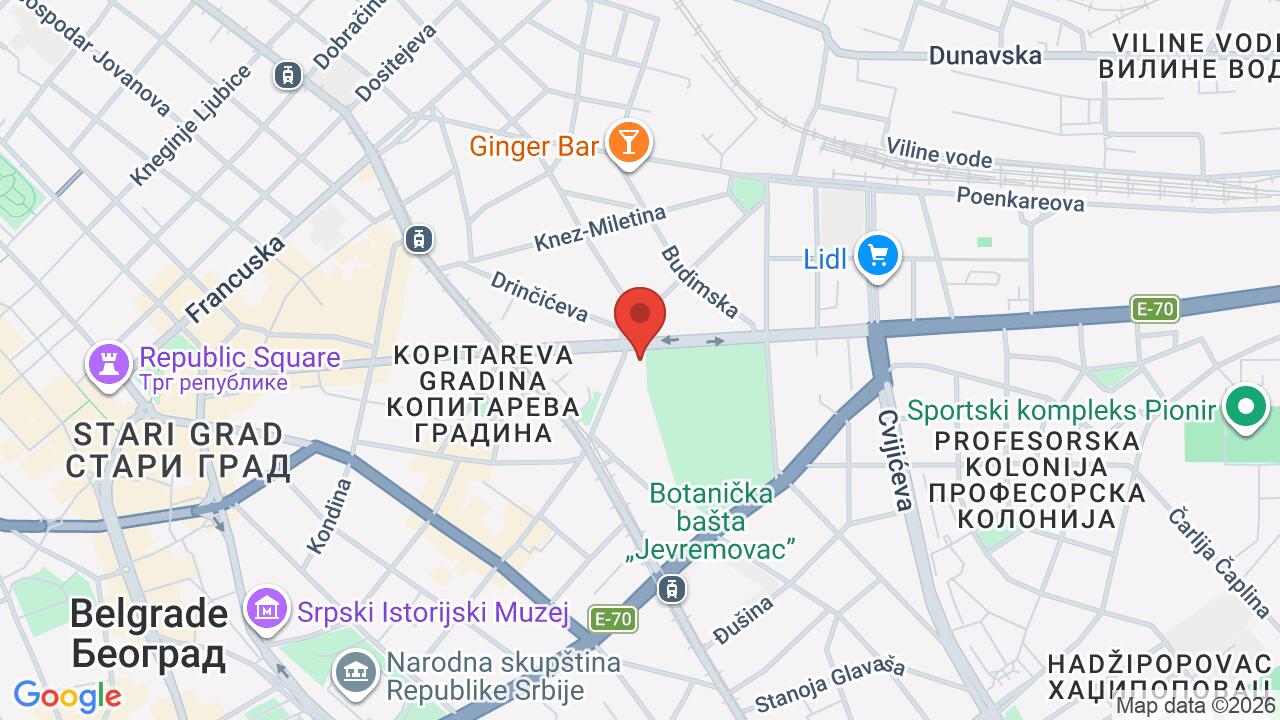
more «edutainment» →Where?
Run activities for kids?
Reach families who are a real match. Post your classes, camps and programs to the open catalog. Kiddodoo shows them to parents whose children are genuinely exploring what you offer, not just anyone within 5 km.
Get startedThis page is from the Kid-do-doo app. Install the app to see the details.
Parenting, made clearer — and less scattered
Understand what may be happening with your child — and find real-world ways to support the next step.
This page is from the Kid-do-doo app. Install the app to see the details.
Parenting, made clearer — and less scattered
Understand what may be happening with your child — and find real-world ways to support the next step.
Schedule:
We verified the schedule less than 24 hours ago. Book with confidence, guaranteed best price.