
About
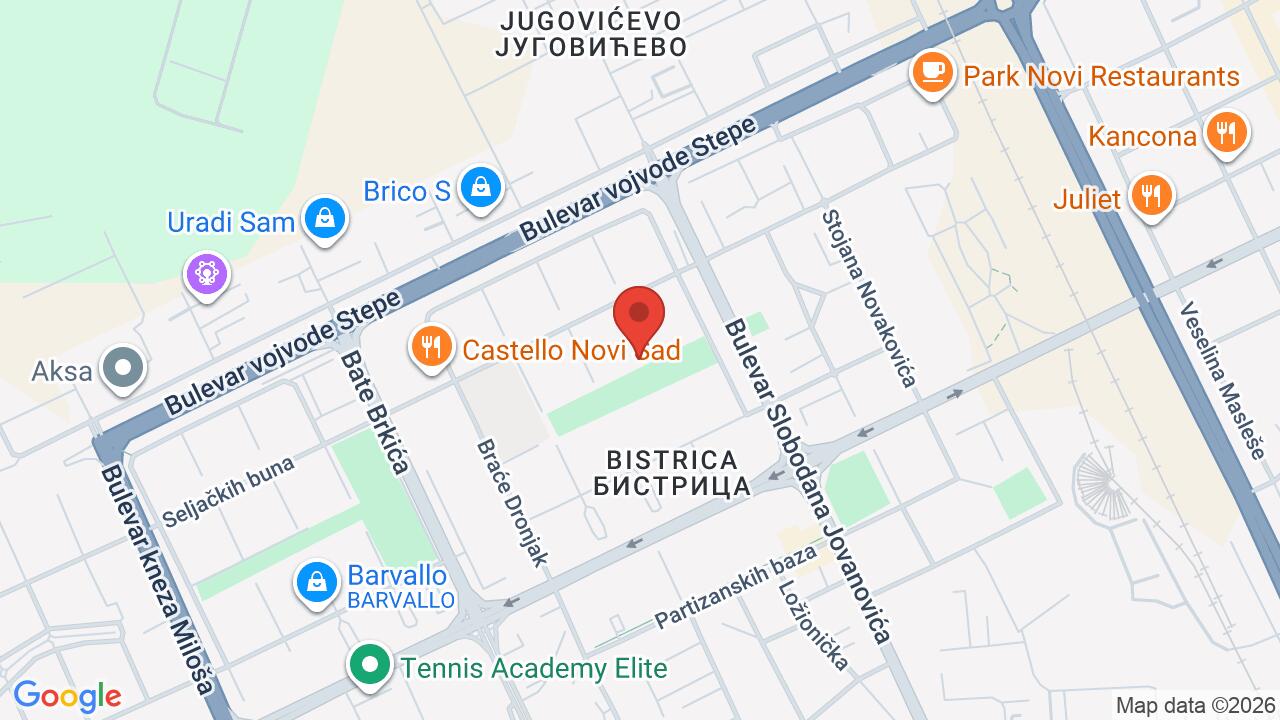
Organizer: Монтессори-школа "Искра" Montessori school "Iskra" invites parents to a presentation of the educational program "Compass of Self-Development", which helps teenagers develop self-understanding, emotional self-regulation, critical thinking and communication skills. The meeting will explain gaps in the school curriculum that affect adolescents and how the course supports their autonomy. The course is led by Mikhail Blagovestny, PhD in Philosophy. This announcement was found and posted by KiddoDoo editors. Like it and we will find out all the details and exact schedule. What happens to a child when they become a teenager? Why do they suddenly start to distance themselves, withdraw, or argue about everything? How can parents keep trust when parental advice increasingly meets resistance? And where is the boundary between a natural adolescence crisis and a situation in which a teenager really needs help? Families in many countries and circumstances face these questions. Moving, a new school or change of environment can make them sharper, but the problems themselves are universal: a teenager is trying to understand who they are, what they want, how to build relationships and what to rely on when making their own decisions. Regular school gives a child knowledge about the world, but it almost never teaches to understand oneself and even the surrounding world: — how emotions are arranged and how to manage them — why it can be difficult to control attention and behavior — how to build relationships and resist peer pressure — how to recognize manipulations and think critically — how to understand your values, set goals and choose a life direction. ❗️As a result, teenagers often receive the most important knowledge about themselves by accident — from social networks, bloggers' advice, conflicts and their own mistakes. ✅ Montessori school "Iskra" invites (telegram link) parents to the presentation of the course "Compass of Self-Development". This is an educational program that complements school education with a system of personal navigation. Link to a trial lesson The course is led by Mikhail Blagovestny — Candidate of Philosophical Sciences, teacher and author of educational programs in philosophy and philosophical anthropology. In his lectures he combines philosophy, psychology and practical analysis of life situations, translating complex ideas into the language of questions people face in real life. At the meeting we will discuss: ✅ which gaps in the school education system exacerbate teenagers' problems ✅ which life tasks a child faces in adolescence ✅ why a distance arises between teenagers and parents ✅ which self-knowledge children lack in the school program ✅ how the course helps to develop self-understanding, emotional self-regulation, critical thinking and communication skills ✅ how to support a teenager without depriving them of independence. Knowing how the world works is not enough. It is important for a teenager to learn how they themselves are arranged and gradually become the author of their own life. 📅 Date and time: September 16 at 19:00 📍 Place or format: online on the Soho LMS platform 🧭 Participation: free ➡️ Registration: link Have a question? telegram link #advert
Q&A:
Most questions are answered by the organizer, but community members can also answer.
Contacts
Kiddodoo MessagesSchedule & Booking:
We verified the schedule less than 24 hours ago. Book with confidence, guaranteed best price.
Skills & Interests
Relationships and Health Education covers content taught within England's standard general-education curriculum. The tag also applies to home, online, or private tutoring when it follows that curriculum; extracurricular and specialist content outside it is excluded.
more «Relationships and Health Education» →Current needs for choice, achievable difficulty, and an outlet for self-expression. Includes Choice, Challenge, and Expression. Excludes enduring abilities such as confidence, resilience, independence, creativity, and communication; personality or temperament labels; performance outcomes; and pressure to achieve. Why it matters: meaningful choice, achievable challenge, and opportunities for expression can support engagement and a sense of competence and ownership in the child's experience. Boundary rule: terms are included together when they point to the same thing the child currently seeks or lacks; a nearby concept stays separate when it is a feeling, a developable ability, or a different need. Activity direction: +1 or +2 means this need may become stronger or remain less met; −1 or −2 means the activity may help meet it and therefore reduce it. A magnitude of 2 is a stronger theoretical direction than 1, not a measurement or guarantee for an individual child.
more «Agency and growth» →Where?
Run activities for kids?
Reach families who are a real match. Post your classes, camps and programs to the open catalog. Kiddodoo shows them to parents whose children are genuinely exploring what you offer, not just anyone within 5 km.
Get startedThis page is from the Kid-do-doo app. Install the app to see the details.
Parenting, made clearer — and less scattered
Understand what may be happening with your child — and find real-world ways to support the next step.
This page is from the Kid-do-doo app. Install the app to see the details.
Parenting, made clearer — and less scattered
Understand what may be happening with your child — and find real-world ways to support the next step.
Schedule:
We verified the schedule less than 24 hours ago. Book with confidence, guaranteed best price.