
About
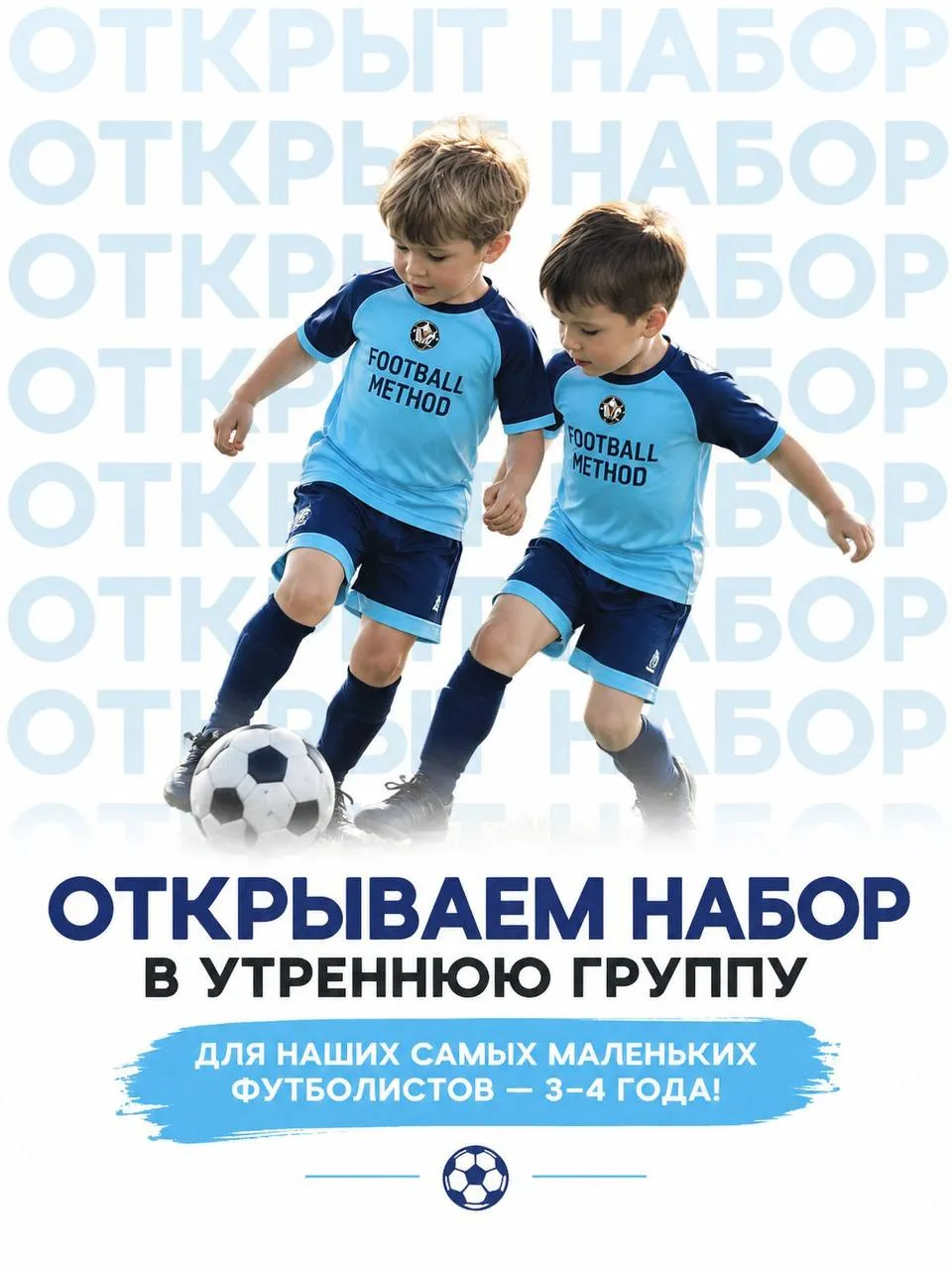
Organisator: Футбольная секция DOLPHINS Regelmatige groeps- en individuele voetbaltrainingen voor kinderen van verschillende leeftijden en niveaus. Mentorschap door Vadim Yanchuk is beschikbaar — individuele begeleiding: analyse van trainingen en wedstrijden, techniektraining en besluitvorming. De sessies vinden plaats in de vestiging Shelepikha / Zvenigorodskaya; voor ouders is het UDS-loyaliteitsprogramma beschikbaar. Deze aankondiging is gevonden en geplaatst door de redacteurs van KiddoDoo. Like het en we zoeken alle details en het exacte schema voor je uit. ⚽️ Voetbal dat gemakkelijk in het schema van het hele gezin past! De vestiging van Kids Football Academy by Vadim Yanchuk in Shelepikha / Zvenigorodskaya ligt tussen het wooncomplex «Сердце Столицы» en Sydney City — handig voor gezinnen die in de buurt wonen en geen uren willen reizen naar de club. Hier vinden regelmatige groeps- en individuele trainingen plaats voor kinderen van verschillende leeftijden en niveaus. Voor kinderen die zich dieper willen ontwikkelen, is er mentorschap door Vadim Yanchuk beschikbaar. ❗️ Mentorschap is meer dan één losse training. Het is individuele begeleiding van de voetballer: analyse van trainingen en wedstrijden, werken aan techniek en besluitvorming, het opsporen van zwakke plekken en het begrijpen waaraan dit kind concreet moet werken. Dus het kind komt niet alleen regelmatig op het veld, maar krijgt een persoonlijker ontwikkelpad ⚽️ 📍 Shelepikha / Zvenigorodskaya tussen het wooncomplex «Сердце Столицы» en Sydney City. 🎁 Voor ouders is er het UDS-loyaliteitsprogramma: 200 welkomstbonussen, cashback tot 5%, betaling met bonussen tot 25% van de kosten en een cadeaubon van 1000 ₽ voor de verjaardag. Schrijf je zonder gedoe in op Kiddodoo of via een directe boodschap aan de organisator: WhatsApp +79213093582
Q&A:
Most questions are answered by the organizer, but community members can also answer.
Contacts
Kiddodoo MessagesSchedule & Booking:
We verified the schedule less than 24 hours ago. Book with confidence, guaranteed best price.
Skills & Interests
Activities aimed at developing soft skills and emotional intelligence, while meeting the need for social connection — a fundamental human need that becomes increasingly important from around age two or three. Social interaction is not just about having fun: learning to enjoy connecting with others is an important contributor to overall well-being and to feeling more comfortable and confident socially later on.
more «social development» →Everything related to body and movement. These are activities aimed at physical development and maintaining good health, as well as those that help children relax, release stress, or express their natural need for movement. Physical activities are part of the basic recommended “balance” for every child.
more «physical development» →Activities that help children explore their bodies, space, coordination, teamwork and dialogue through play, help release tension and express emotions through movement. They combine fun and physical expression, building confidence and providing sense of joy — while also help strengthen the body.
more «movement & play» →Changing body position or direction quickly and effectively; not general coordination.
more «Agility» →Controlled synchronization of body parts; not balance or rapid direction change.
more «Coordination» →Group classes held indoors or outdoors. The coach introduces basic technical elements, the rules of the game, and teamwork. As a hobby sport, the focus is on enjoying the activity and supporting children's interest in sports, rather than on professional achievements or competition. The classes help children build physical fitness, improve coordination and agility, and learn to work as part of a team. They are also valuable as a space for socialization.
more «football» →Where?

Run activities for kids?
Reach families who are a real match. Post your classes, camps and programs to the open catalog. Kiddodoo shows them to parents whose children are genuinely exploring what you offer, not just anyone within 5 km.
Get startedThis page is from the Kid-do-doo app. Install the app to see the details.
Parenting, made clearer — and less scattered
Understand what may be happening with your child — and find real-world ways to support the next step.
This page is from the Kid-do-doo app. Install the app to see the details.
Parenting, made clearer — and less scattered
Understand what may be happening with your child — and find real-world ways to support the next step.
Schedule:
We verified the schedule less than 24 hours ago. Book with confidence, guaranteed best price.