
About
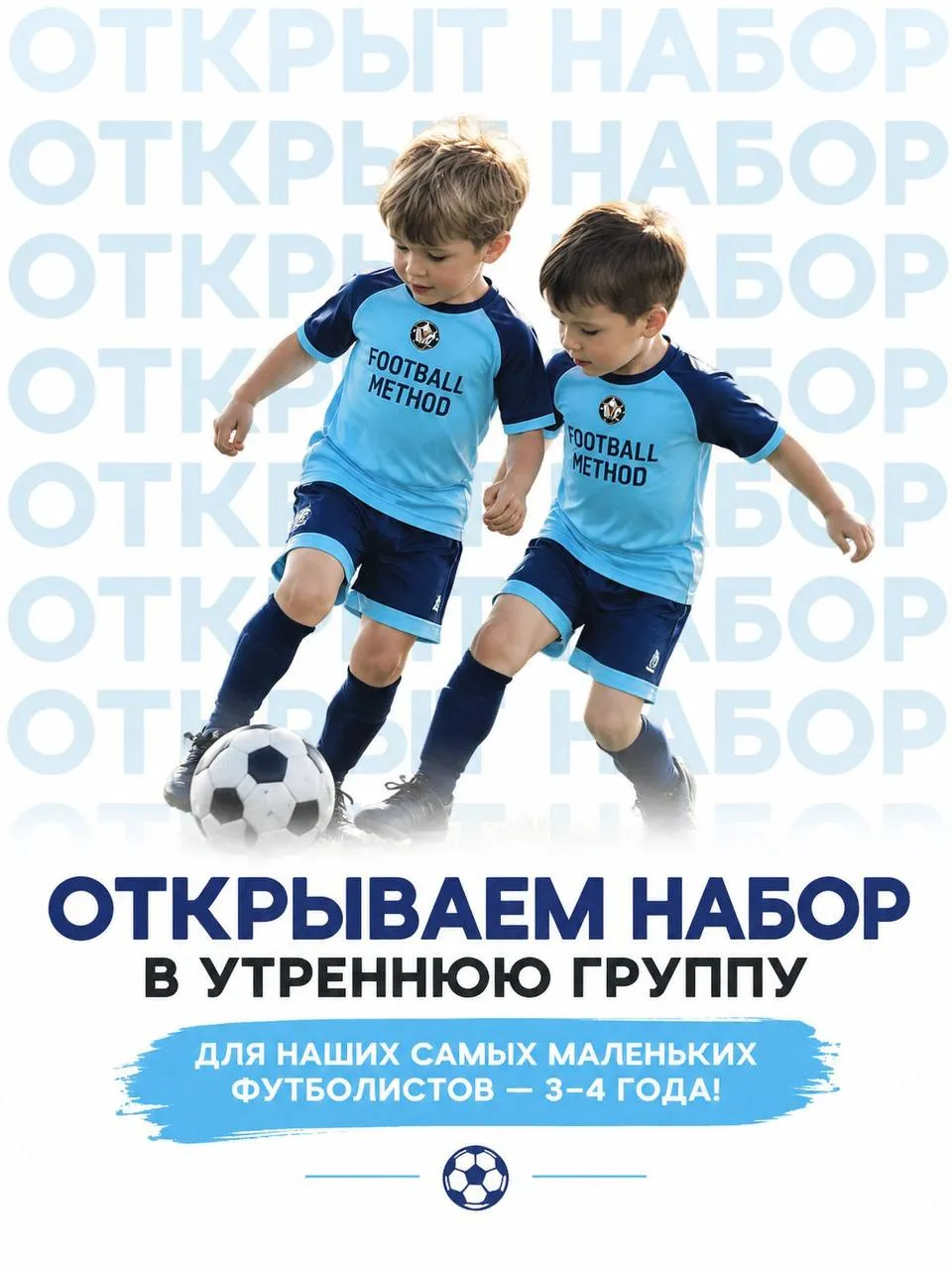
Organizator: Футбольная секция DOLPHINS Regularne treningi piłkarskie grupowe i indywidualne dla dzieci w różnym wieku i na różnym poziomie. Dostępne jest także mentoring Vadima Jańcuka — indywidualne wsparcie: analiza treningów i meczów, praca nad techniką i podejmowaniem decyzji. Zajęcia odbywają się w oddziale na Shelepikha / Zvenigorodskaya; dla rodziców dostępny jest program lojalnościowy UDS. To ogłoszenie zostało znalezione i opublikowane przez redaktorów KiddoDoo. Polub je, a poznamy wszystkie szczegóły i dokładny harmonogram. ⚽️ Piłka nożna, którą łatwo wpasować w grafik całej rodziny! Oddział Kids Football Academy by Vadim Yanchuk na Shelepikha / Zvenigorodskaya znajduje się pomiędzy kompleksem mieszkaniowym «Сердце Столицы» a Sydney City — wygodnie dla rodzin mieszkających w pobliżu, które nie chcą tracić godzin na dojazdy do sekcji. Odbywają się tu regularne treningi grupowe i indywidualne dla dzieci w różnym wieku i o różnym poziomie umiejętności. Dla dzieci, które chcą rozwijać się głębiej, dostępne jest mentoringowe wsparcie Vadima Jańczuka. ❗️ Mentoring to nie tylko pojedynczy trening. To indywidualne wsparcie zawodnika: analiza treningów i meczów, praca nad techniką i podejmowaniem decyzji, wyszukiwanie słabych stron i zrozumienie, nad czym konkretnie dziecko powinno dalej pracować. Czyli dziecko nie tylko regularnie przychodzi na boisko, ale otrzymuje bardziej spersonalizowany kierunek rozwoju ⚽️ 📍 Shelepikha / Zvenigorodskaya pomiędzy kompleksem mieszkaniowym «Сердце Столицы» i Sydney City. 🎁 Dla rodziców działa program lojalnościowy UDS: 200 powitalnych bonusów, cashback do 5%, płatność bonusami do 25% kosztów oraz bon 1000 ₽ z okazji urodzin. Zapisz się bez zbędnego zamieszania na Kiddodoo lub przez wiadomość bezpośrednią do organizatora: WhatsApp +79213093582
Q&A:
Most questions are answered by the organizer, but community members can also answer.
Contacts
Kiddodoo MessagesSchedule & Booking:
We verified the schedule less than 24 hours ago. Book with confidence, guaranteed best price.
Skills & Interests
Activities aimed at developing soft skills and emotional intelligence, while meeting the need for social connection — a fundamental human need that becomes increasingly important from around age two or three. Social interaction is not just about having fun: learning to enjoy connecting with others is an important contributor to overall well-being and to feeling more comfortable and confident socially later on.
more «social development» →Everything related to body and movement. These are activities aimed at physical development and maintaining good health, as well as those that help children relax, release stress, or express their natural need for movement. Physical activities are part of the basic recommended “balance” for every child.
more «physical development» →Activities that help children explore their bodies, space, coordination, teamwork and dialogue through play, help release tension and express emotions through movement. They combine fun and physical expression, building confidence and providing sense of joy — while also help strengthen the body.
more «movement & play» →Changing body position or direction quickly and effectively; not general coordination.
more «Agility» →Controlled synchronization of body parts; not balance or rapid direction change.
more «Coordination» →Group classes held indoors or outdoors. The coach introduces basic technical elements, the rules of the game, and teamwork. As a hobby sport, the focus is on enjoying the activity and supporting children's interest in sports, rather than on professional achievements or competition. The classes help children build physical fitness, improve coordination and agility, and learn to work as part of a team. They are also valuable as a space for socialization.
more «football» →Where?

Run activities for kids?
Reach families who are a real match. Post your classes, camps and programs to the open catalog. Kiddodoo shows them to parents whose children are genuinely exploring what you offer, not just anyone within 5 km.
Get startedThis page is from the Kid-do-doo app. Install the app to see the details.
Parenting, made clearer — and less scattered
Understand what may be happening with your child — and find real-world ways to support the next step.
This page is from the Kid-do-doo app. Install the app to see the details.
Parenting, made clearer — and less scattered
Understand what may be happening with your child — and find real-world ways to support the next step.
Schedule:
We verified the schedule less than 24 hours ago. Book with confidence, guaranteed best price.