

About
Organizer: Фрушка Искра - лесная школа и образовательные мастерские A free lecture discussing scientific research from the book "Myths of Parenting." Led by the school's teacher Nikolay. Topics include praise, childhood obesity causes, how to react to children's lying, parenting teens and boundaries, whether films increase aggression, and whether parental quarrels harm children. This announcement was found and posted by KiddoDoo editors. Like it and we will find out all the details and exact schedule. Free lecture on the book «Myths of Parenting» 🧚♂🧚♀ 17 September at 19:00 There are many opinions about parenting, and it's interesting to hear what scientists say. 🧑🔬👩🔬There are researchers who survey hundreds of people, run experiments and draw conclusions. It will be interesting to discuss these conclusions with you. We will touch on topics: 1. Should we praise a child as much as possible? 2. What causes childhood obesity? 3. How to comment when children lie? 4. How to deal with teenagers? What boundaries to set? 5. Do children become more aggressive after films? 6. Is it very bad if children see parents' quarrels? The meeting will take place at Montessori school "Iskra" Trg 1. maja, 4 (link) The lecture is given by the school's teacher - Nikolay Free entrance. Sign up in comments Sign up easily in KiddoDu or in the organizer's direct: telegram link
Q&A:
Most questions are answered by the organizer, but community members can also answer.
Contacts
Kiddodoo MessagesSchedule & Booking:
We verified the schedule less than 24 hours ago. Book with confidence, guaranteed best price.
Skills & Interests
Classes and groups for adults preparing for parenthood, including everyday care, family changes, and the first months with a baby. This is a parent service tag outside the child activity taxonomy and has no child feature, feeling, or need profile.
more «preparing for parenthood» →What it is: Connection is the child's current need for meaningful social contact, inclusion, and belonging. Why it matters: meeting it can support security, willingness to participate, shared enjoyment, and the sense of having a place with other people. When it rises: the child may feel apart, new to a group, insufficiently seen, or eager to share an experience. When it lowers: responsive interaction, companionship, or genuine shared participation may have helped meet the need; a lower need does not mean the child wants isolation. Why this is the same: friendship, belonging, companionship, socializing, and shared participation all seek meaningful connection. Why this is different: Support seeks help or reassurance, Loneliness is the feeling of unwanted disconnection, and Communication and Collaboration are developable abilities.
more «Connection» →Expressing and receiving meaning appropriately; includes speaking and active listening.
more «Communication» →What it is: Support is the child's current need for comfort, reassurance, guidance, practical help, or co-regulation from another person. Why it matters: timely support can make emotions, transitions, and challenges feel manageable while the child gradually uses more of their own developing abilities. When it rises: the situation may feel unfamiliar, difficult, emotionally intense, or beyond what the child can manage alone right now. When it lowers: responsive help, reassurance, guidance, or shared regulation may have helped meet the need. Why this is the same: age-appropriate assistance, comfort, guidance, and help all provide another person's responsive support. Why this is different: Connection seeks belonging and companionship, while professional or therapeutic care is a separate service and cannot be inferred from an activity tag.
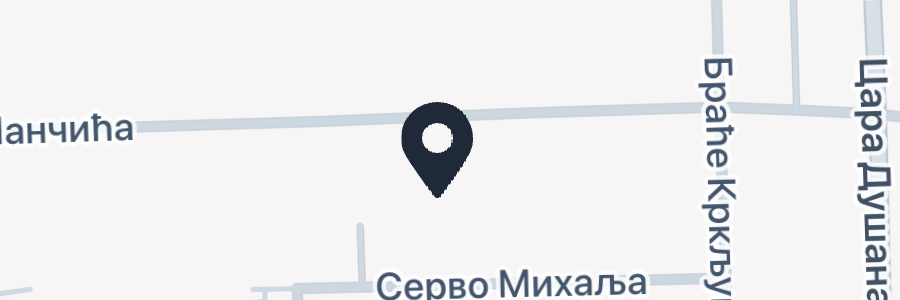
more «Support» →Where?
Run activities for kids?
Reach families who are a real match. Post your classes, camps and programs to the open catalog. Kiddodoo shows them to parents whose children are genuinely exploring what you offer, not just anyone within 5 km.
Get startedThis page is from the Kid-do-doo app. Install the app to see the details.
Parenting, made clearer — and less scattered
Understand what may be happening with your child — and find real-world ways to support the next step.
This page is from the Kid-do-doo app. Install the app to see the details.
Parenting, made clearer — and less scattered
Understand what may be happening with your child — and find real-world ways to support the next step.
Schedule:
We verified the schedule less than 24 hours ago. Book with confidence, guaranteed best price.