

About
Organizator: Фрушка Искра - лесная школа и образовательные мастерские Bezpłatny wykład o badaniach naukowych dotyczących wychowania na podstawie książki „Mity wychowania”. Wykładowcą jest nauczyciel szkoły, Nikolaj. Omówione zostaną wpływ pochwały, przyczyny otyłości u dzieci, kłamstwa dzieci, granice wobec nastolatków, agresja po oglądaniu filmów oraz kłótnie rodzinne. To ogłoszenie zostało znalezione i opublikowane przez redaktorów KiddoDoo. Polub je, a poznamy wszystkie szczegóły i dokładny harmonogram. Bezpłatny wykład o książce „Mity wychowania” 🧚♂🧚♀ 17 września o 19:00 O wychowaniu krąży wiele opinii i rozmów, i warto usłyszeć, co mówią naukowcy. 🧑🔬👩🔬Są badacze, którzy ankietują setki osób, przeprowadzają eksperymenty i wyciągają wnioski. Warto omówić te wnioski razem z wami. Poruszymy takie tematy: 1. Czy należy chwalić dziecko jak najwięcej? 2. Co jest przyczyną otyłości u dzieci? 3. Jak komentować przypadki, gdy dzieci kłamią? 4. Jak postępować z nastolatkami? Jakie granice ustalać? 5. Czy dzieci stają się bardziej agresywne po filmach? 6. Czy to bardzo źle, jeśli dzieci widzą kłótnie rodziców? Spotkanie odbędzie się w szkole Montessori „Iskra" Trg 1. maja, 4 (link) Wykład prowadzi nauczyciel szkoły - Nikolay Wstęp wolny. Zapisy w komentarzach
Q&A:
Most questions are answered by the organizer, but community members can also answer.
Contacts
Kiddodoo MessagesSchedule & Booking:
We verified the schedule less than 24 hours ago. Book with confidence, guaranteed best price.
Skills & Interests
Classes and groups for adults preparing for parenthood, including everyday care, family changes, and the first months with a baby. This is a parent service tag outside the child activity taxonomy and has no child feature, feeling, or need profile.
more «preparing for parenthood» →What it is: Connection is the child's current need for meaningful social contact, inclusion, and belonging. Why it matters: meeting it can support security, willingness to participate, shared enjoyment, and the sense of having a place with other people. When it rises: the child may feel apart, new to a group, insufficiently seen, or eager to share an experience. When it lowers: responsive interaction, companionship, or genuine shared participation may have helped meet the need; a lower need does not mean the child wants isolation. Why this is the same: friendship, belonging, companionship, socializing, and shared participation all seek meaningful connection. Why this is different: Support seeks help or reassurance, Loneliness is the feeling of unwanted disconnection, and Communication and Collaboration are developable abilities.
more «Connection» →Expressing and receiving meaning appropriately; includes speaking and active listening.
more «Communication» →What it is: Support is the child's current need for comfort, reassurance, guidance, practical help, or co-regulation from another person. Why it matters: timely support can make emotions, transitions, and challenges feel manageable while the child gradually uses more of their own developing abilities. When it rises: the situation may feel unfamiliar, difficult, emotionally intense, or beyond what the child can manage alone right now. When it lowers: responsive help, reassurance, guidance, or shared regulation may have helped meet the need. Why this is the same: age-appropriate assistance, comfort, guidance, and help all provide another person's responsive support. Why this is different: Connection seeks belonging and companionship, while professional or therapeutic care is a separate service and cannot be inferred from an activity tag.
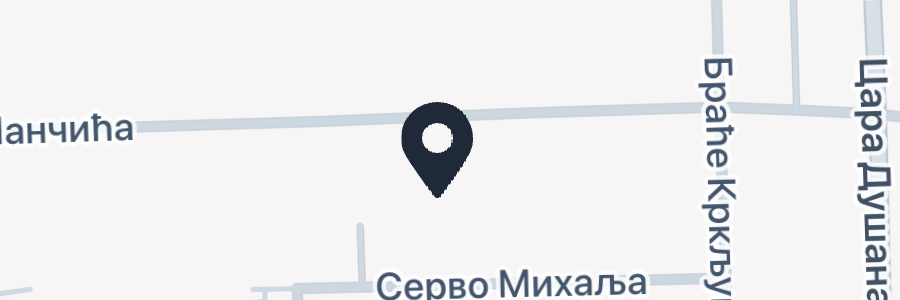
more «Support» →Where?
Run activities for kids?
Reach families who are a real match. Post your classes, camps and programs to the open catalog. Kiddodoo shows them to parents whose children are genuinely exploring what you offer, not just anyone within 5 km.
Get startedThis page is from the Kid-do-doo app. Install the app to see the details.
Parenting, made clearer — and less scattered
Understand what may be happening with your child — and find real-world ways to support the next step.
This page is from the Kid-do-doo app. Install the app to see the details.
Parenting, made clearer — and less scattered
Understand what may be happening with your child — and find real-world ways to support the next step.
Schedule:
We verified the schedule less than 24 hours ago. Book with confidence, guaranteed best price.