

About
Organisator: Фрушка Искра - лесная школа и образовательные мастерские Gratis lezing over wetenschappelijke onderzoeken naar opvoeding op basis van het boek 'Mythen over opvoeding'. Spreker is de docent van de school, Nikolay. Onderwerpen zijn de invloed van lof, oorzaken van overgewicht bij kinderen, het liegen van kinderen, grenzen bij tieners, agressie na films en familieconflicten. Deze aankondiging is gevonden en geplaatst door de redacteurs van KiddoDoo. Like het en we zoeken alle details en het exacte schema voor je uit. Gratis lezing over het boek 'Mythen over opvoeding' 🧚♂🧚♀ 17 september om 19:00 Over opvoeding bestaan veel meningen en gesprekken en het is interessant wat wetenschappers daarover zeggen. 🧑🔬👩🔬Er zijn onderzoekers die honderden mensen ondervragen, experimenten uitvoeren en conclusies trekken. Het zal interessant zijn deze conclusies met jullie te bespreken. We zullen de volgende onderwerpen behandelen: 1. Moet je een kind zo veel mogelijk loven? 2. Wat veroorzaakt obesitas bij kinderen? 3. Hoe te reageren wanneer kinderen liegen? 4. Hoe om te gaan met tieners? Welke grenzen moet je stellen? 5. Worden kinderen agressiever na films? 6. Is het erg als kinderen ruzies van hun ouders zien? De bijeenkomst vindt plaats op Montessorischool "Iskra" Trg 1. maja, 4 (link) De lezing wordt gegeven door de docent van de school - Nikolay Toegang gratis. Aanmelden in de reacties
Q&A:
Most questions are answered by the organizer, but community members can also answer.
Contacts
Kiddodoo MessagesSchedule & Booking:
We verified the schedule less than 24 hours ago. Book with confidence, guaranteed best price.
Skills & Interests
Classes and groups for adults preparing for parenthood, including everyday care, family changes, and the first months with a baby. This is a parent service tag outside the child activity taxonomy and has no child feature, feeling, or need profile.
more «preparing for parenthood» →What it is: Connection is the child's current need for meaningful social contact, inclusion, and belonging. Why it matters: meeting it can support security, willingness to participate, shared enjoyment, and the sense of having a place with other people. When it rises: the child may feel apart, new to a group, insufficiently seen, or eager to share an experience. When it lowers: responsive interaction, companionship, or genuine shared participation may have helped meet the need; a lower need does not mean the child wants isolation. Why this is the same: friendship, belonging, companionship, socializing, and shared participation all seek meaningful connection. Why this is different: Support seeks help or reassurance, Loneliness is the feeling of unwanted disconnection, and Communication and Collaboration are developable abilities.
more «Connection» →Expressing and receiving meaning appropriately; includes speaking and active listening.
more «Communication» →What it is: Support is the child's current need for comfort, reassurance, guidance, practical help, or co-regulation from another person. Why it matters: timely support can make emotions, transitions, and challenges feel manageable while the child gradually uses more of their own developing abilities. When it rises: the situation may feel unfamiliar, difficult, emotionally intense, or beyond what the child can manage alone right now. When it lowers: responsive help, reassurance, guidance, or shared regulation may have helped meet the need. Why this is the same: age-appropriate assistance, comfort, guidance, and help all provide another person's responsive support. Why this is different: Connection seeks belonging and companionship, while professional or therapeutic care is a separate service and cannot be inferred from an activity tag.
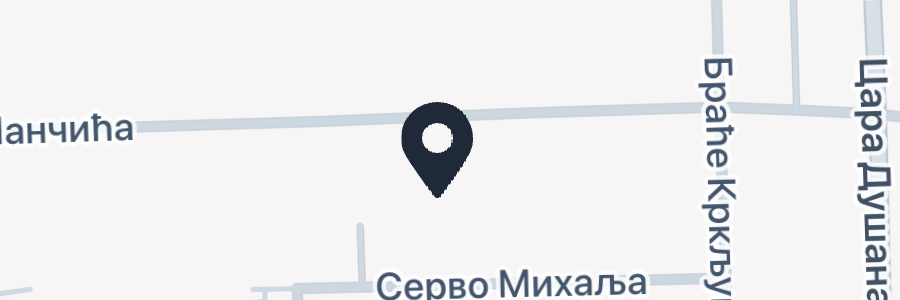
more «Support» →Where?
Run activities for kids?
Reach families who are a real match. Post your classes, camps and programs to the open catalog. Kiddodoo shows them to parents whose children are genuinely exploring what you offer, not just anyone within 5 km.
Get startedThis page is from the Kid-do-doo app. Install the app to see the details.
Parenting, made clearer — and less scattered
Understand what may be happening with your child — and find real-world ways to support the next step.
This page is from the Kid-do-doo app. Install the app to see the details.
Parenting, made clearer — and less scattered
Understand what may be happening with your child — and find real-world ways to support the next step.
Schedule:
We verified the schedule less than 24 hours ago. Book with confidence, guaranteed best price.