

About
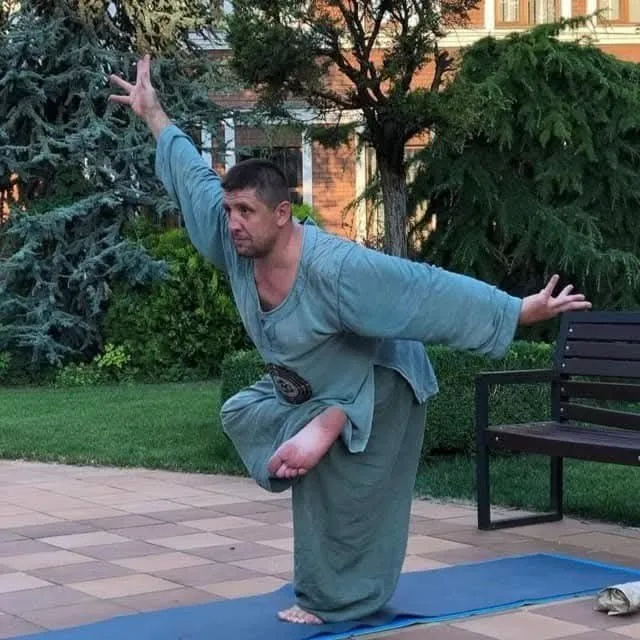
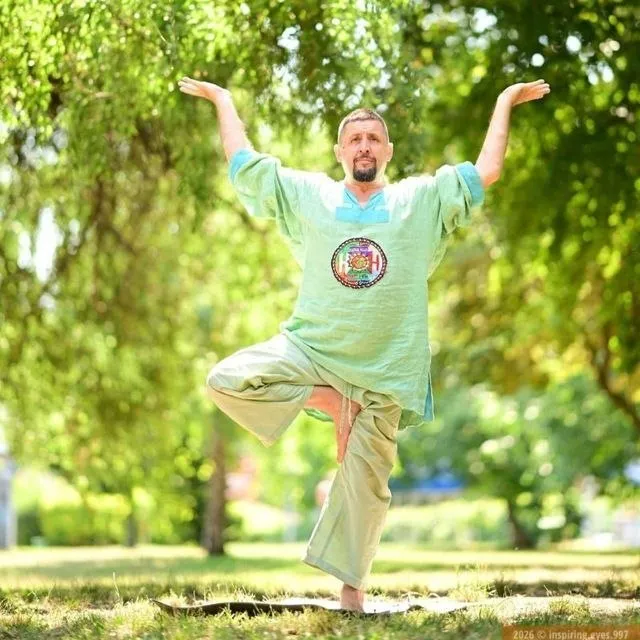
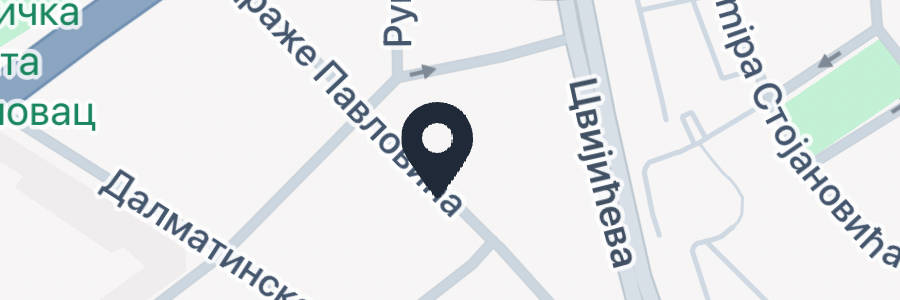
Organizer: The Hobbit House A yogic movement practice aimed at control and release of consciousness through movement. Develops coordination, attention and neuromuscular connections. Held outdoors; for teens 14+ and adults. This announcement was found and posted by KiddoDoo editors. Like it and we will find out all the details and exact schedule. Shiva Dance (Shiva Nata) is a yogic system of control and liberation of consciousness through movement. The practice develops coordination, attention and neuro-muscular connections, and frees from stereotypes. 📅 October 3, Saturday ⏰ 12:00 🌿 Age: teens 14+ and adults (any level) 📍 Hobbit House, Draže Pavlovića 21 🎟 Cost: free donation ☘️The practice will take place outdoors Registration and questions: telegram link Join the event group: telegram link
Q&A:
Most questions are answered by the organizer, but community members can also answer.
Contacts
Kiddodoo MessagesSchedule & Booking:
We verified the schedule less than 24 hours ago. Book with confidence, guaranteed best price.
Skills & Interests
Recognizing one's emotions, strengths, needs, and reactions; not body awareness.
more «Self-awareness» →Recognizing body position, movement, and bodily signals; not balance or coordination.
more «Body awareness» →What it is: Movement is the child's current need for physical action or an outlet for bodily energy. Why it matters: meeting it can support bodily comfort, regulation, attention, and readiness for other kinds of participation. When it rises: the body may have been still for too long or may have energy that needs an active outlet. When it lowers: active play, sport, walking, stretching, or another suitable opportunity may have helped meet the need. Why this is the same: wanting to run, move, stretch, or use the body points to the same need for physical action. Why this is different: Restlessness is an uncomfortable feeling that may accompany the need, while Challenge is a need for achievable difficulty rather than movement itself.
more «Movement» →Sustaining attention and filtering distractions; includes focus and concentration.
more «Focused attention» →Capabilities of body control and physical effort practiced through movement; excludes health outcomes, sport techniques, and mental or social qualities.
more «Physical capacities» →Controlled synchronization of body parts; not balance or rapid direction change.
more «Coordination» →What it is: Calm is a settled present feeling with relatively little tension. Why it matters: it can give a child room to recover, notice what is happening, and participate without feeling rushed. When it rises: the child may feel more at ease and less activated. When it lowers: tension or activation may be becoming more present; this is not automatically a problem. Why this is the same: peaceful, at ease, and relaxed describe Calm when they refer to the same settled emotional state. Why this is different: Rest is something the child may need, Low energy is depletion, and inactivity is only a behaviour; none necessarily means the child feels calm.
more «Calm» →Recognizing stress signals and using safe, age-appropriate strategies or support to return to a manageable state; not absence of stress, relaxation alone, or treatment.
more «Stress management» →Where?
Run activities for kids?
Reach families who are a real match. Post your classes, camps and programs to the open catalog. Kiddodoo shows them to parents whose children are genuinely exploring what you offer, not just anyone within 5 km.
Get startedThis page is from the Kid-do-doo app. Install the app to see the details.
Parenting, made clearer — and less scattered
Understand what may be happening with your child — and find real-world ways to support the next step.
This page is from the Kid-do-doo app. Install the app to see the details.
Parenting, made clearer — and less scattered
Understand what may be happening with your child — and find real-world ways to support the next step.
Schedule:
We verified the schedule less than 24 hours ago. Book with confidence, guaranteed best price.